The Restoration Pivot
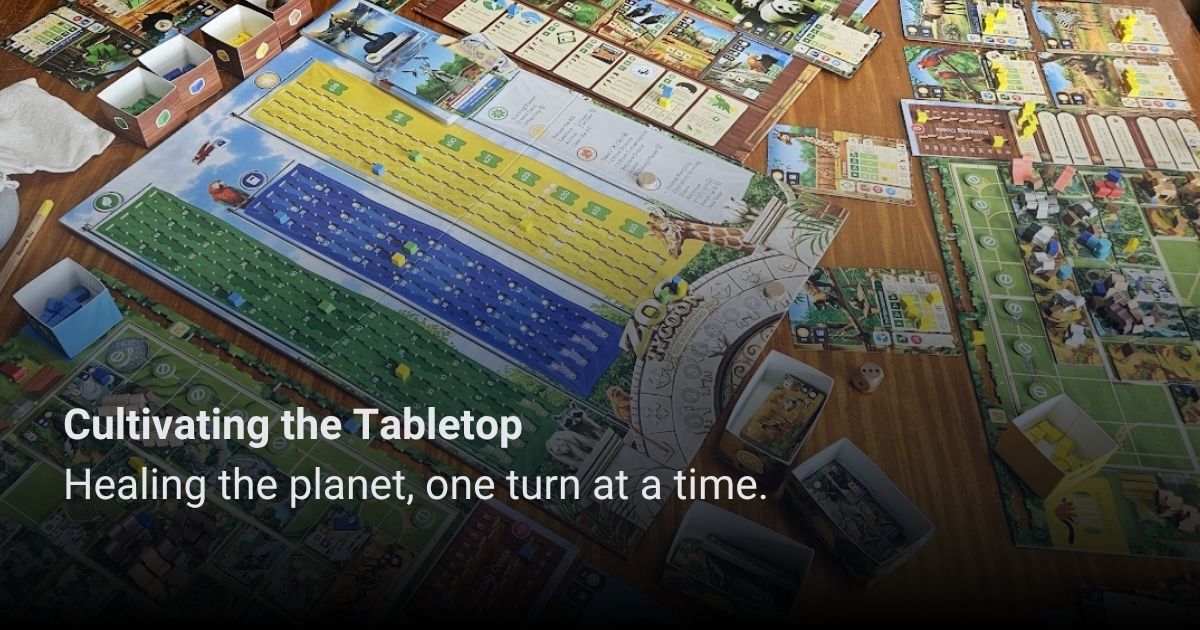
Why the most rewarding modern strategy games are trading the conquest of old for the ecological stewardship of tomorrow.
It was Earth Day last Wednesday, and I figured it would make sense to write something about how this relates to board games and the industry at large. If anything, we’ve seen more games try to consider environmentalism and the longer-term view of the planet in recent years. The industry not only tackles ecological themes through game concepts as in recent years, but we’ve observed many publishers also trying to follow more sustainable practices in game development and production.
So here’s a round-up of games in our collection (or those we’ve at least gotten to play) that fit this theme and would be worthy considerations for your future game nights or even your personal board game collections.
First, I wanted to make special mention of games that utilise the new material RE-Wood, a unique recycled material that can be used in injection molds, resulting in highly detailed figures that you’d normally expect to be made from plastic. While we don’t own the RE-Wood launch title Kutná Hora: The City of Silver (CGE 2023), we don’t own a number of games that use the material, and I hope the support of games like these will encourage greater use of the material across game publishers.
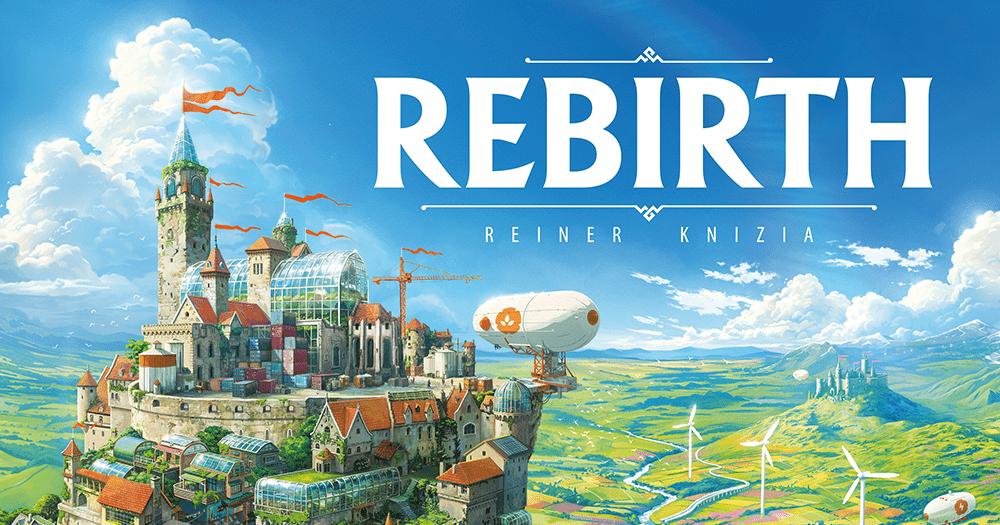
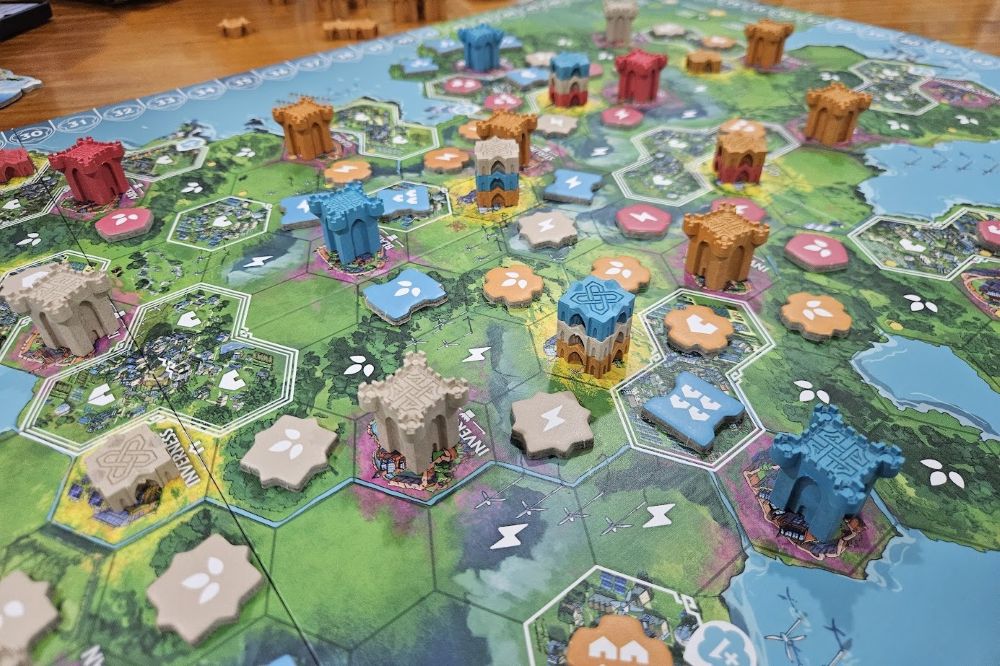
This Reiner Knizia tile placement game not only utilizes RE-Wood for its lovely castles and cathedral components, but it is also set in a post-calamity Earth, where players seek to revitalize Scotland or Ireland in a more sustainable way. Admittedly, the theme isn’t the strongest one in terms of how it was translated into gameplay, as many players may not even pick up on the setting outside of reading the manual. But it’s still a great game with some meaningful design at the heart of it. And those chunky castles feel really great in hand.
This big science-centric game makes use of RE-Wood for many game components, including the probes, victory points, and publicity points trackers. The game still uses some plastic components, particularly for the data discs, but I get why they went with this choice in this case. The puzzle of the game is focused on the different avenues for finding alien life, and maybe the solution to a more sustainable human race lies beyond in the stars.
There are a number of games with a strong focus on nature and growing things without direct human involvement. This all ties to a desire to see nature return to its former glory in one way or another, or at least celebrate the beauty of things that’s already out there.
Cascadia is one of the most solid tile placement games out there, which has a unique terrain and wildlife-focused core game loop that is largely unmatched. There’s a lot of satisfaction to be gained from not only building beautiful connected swatches of similar terrain, but also populating them with color animal tokens.
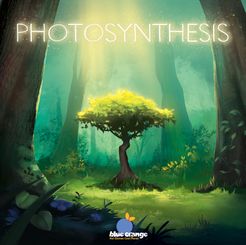
This classic forest competition game has rival players trying to grow their parts of the forest while competing for sunlight in this tight area control game. It was pretty impressive on the tables when it first came out with its cardboard trees, but I will concede that other games have found more interesting ways to tackle the same theme.

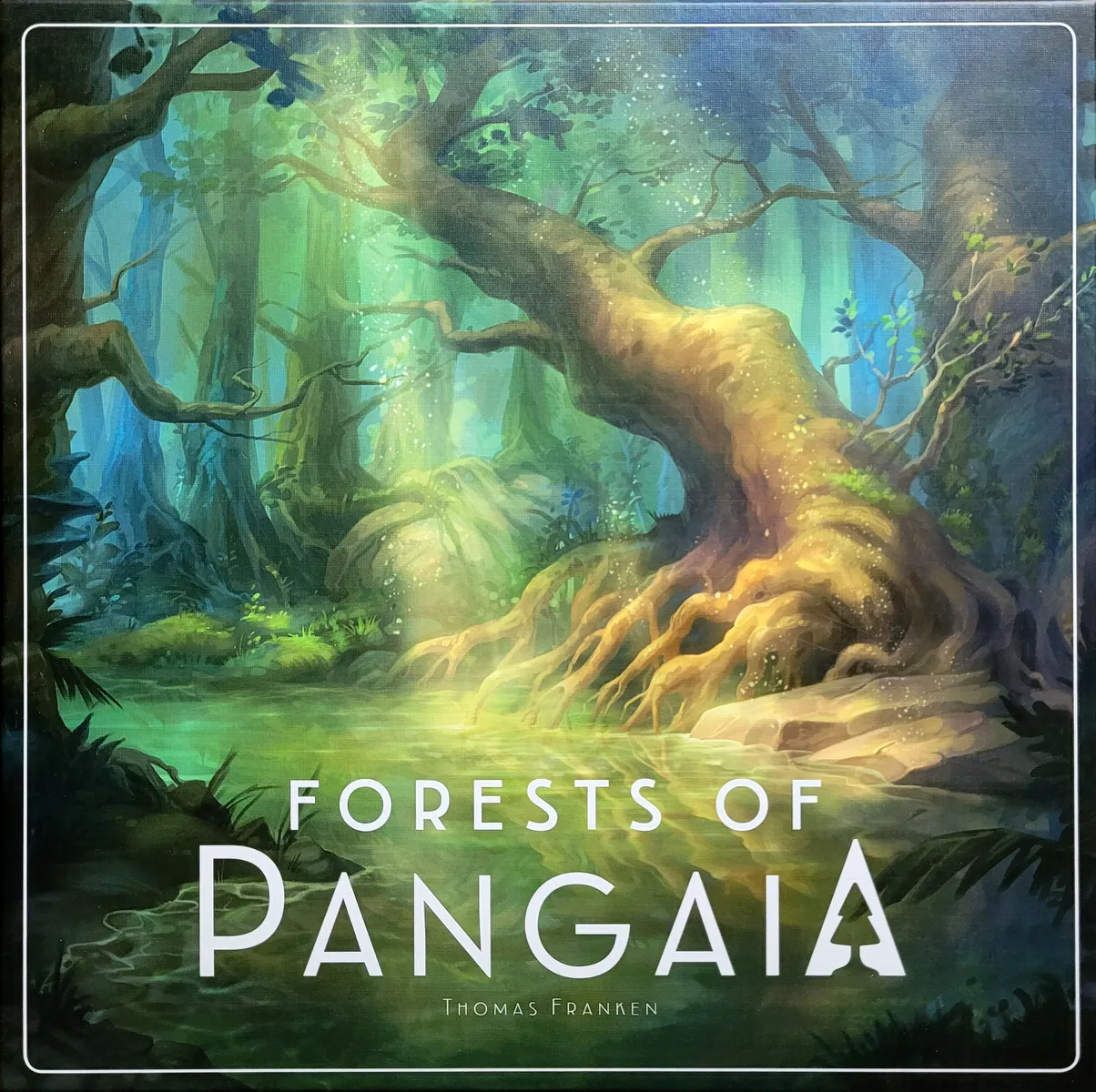
Case in point, Forests of Pangaia feels like an upgraded version of Photosynthesis that gave up the sunlight competition angle and focused on a more magical notion of spirits trying to grow the forest instead. The game also features a more dynamic tile-based board so that it grows more organically across the table. Plus, the use of wooden trees with stackable treetops makes for quite the spectacle.
This game feels like a different take on something like Cascadia, which still has tile placement as one of its mechanics, with a greater focus on the flora and fauna cards you add to your tableau. The action card system also provides good structure for gameplay and an interesting enough core game loop.
Finally, there are a number of games with a conservation message that depict more active efforts by people to protect or at least live in harmony with nature in one way or another. This leads us to a number of zoo games, but they’re also pretty good regardless of theme.
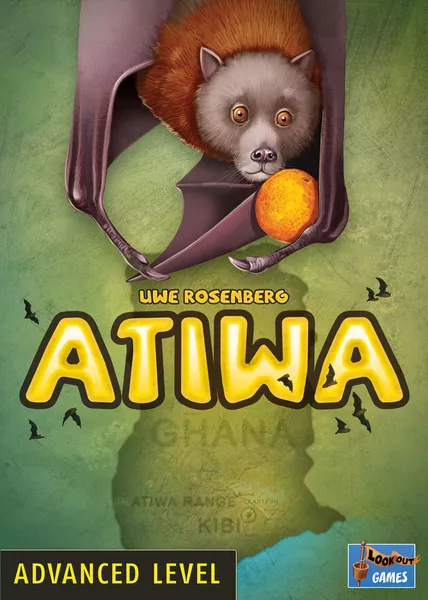
This Uwe Rosenberg game stands out as a rather deep exploration of the relationship between the town of Kibi in Ghana and the fruit bats in their area. But because this is a Rosenberg game, the chosen method for illustrating this relationship through gameplay involves a deep worker placement mechanic with a dynamic board. The main game loop involves how the bats can live in your area and their benefits across the environment, and it’s great storytelling through gameplay.
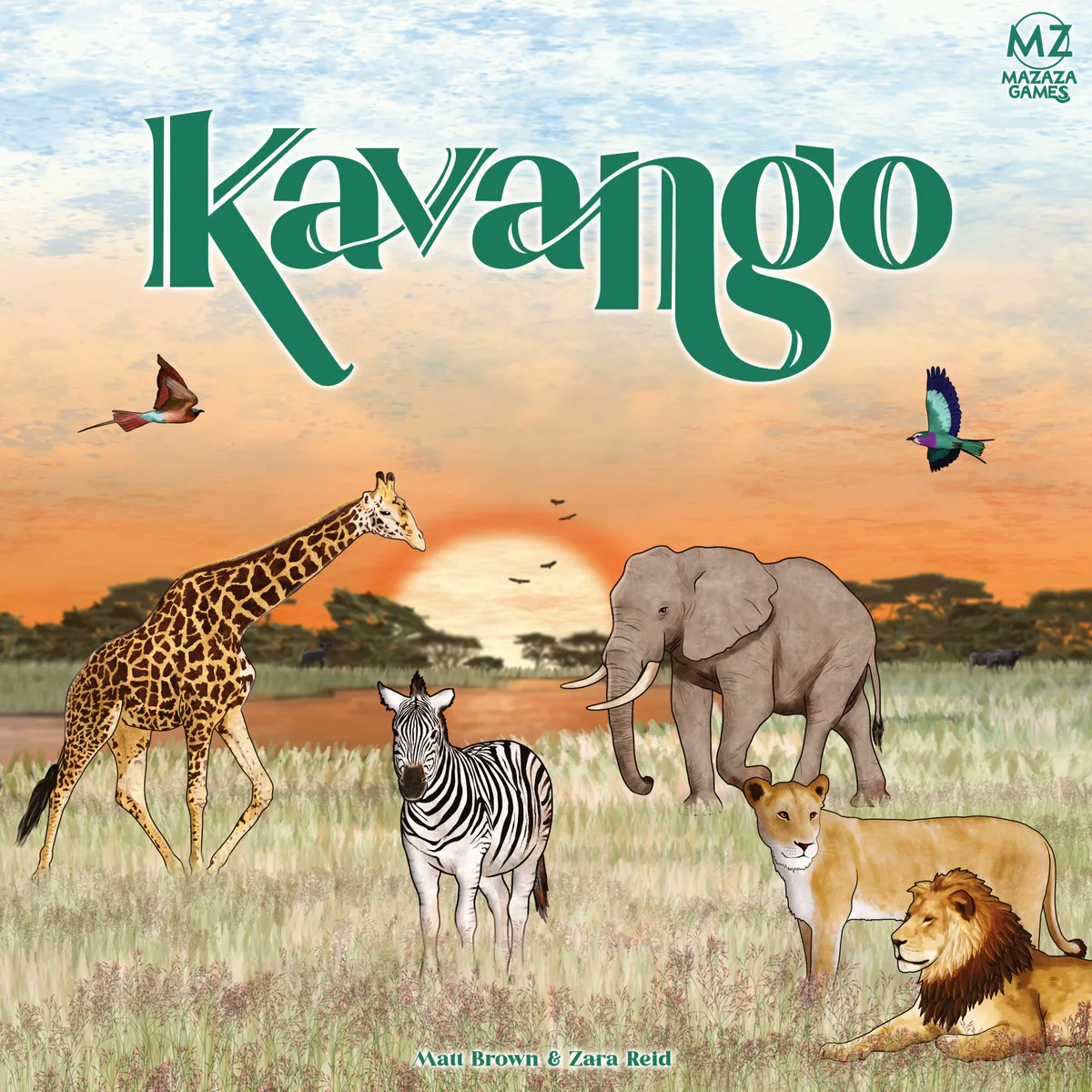
There’s a lot of love that went into this game, depicting the conservation efforts in Southern Africa. It’s a card-based game with a focus on creating a balanced ecosystem with different types of animals that depend on other animals. But it also has some serious aspects, like the need to ensure security for the animals against poachers.
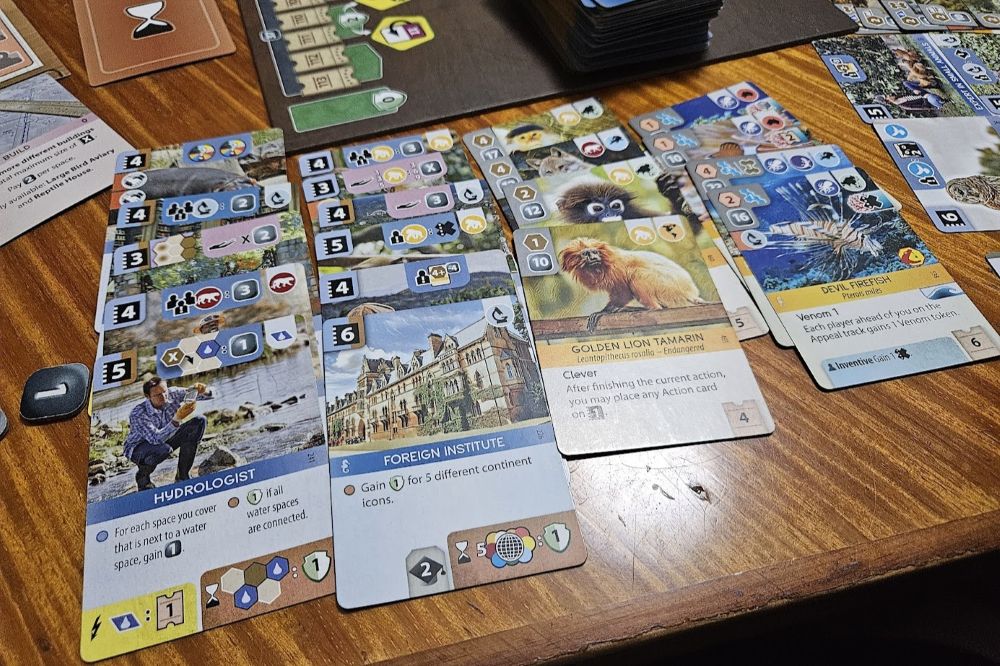
Yeah, we can’t tackle conservation efforts depicted in gaming without bringing up this highly popular game. It’s well-loved within our gaming circles for good reason - it’s a great mix of many game mechanisms we like, including a great action card cycle, set collection, and even tile placement. But the fact that they separated the Appeal points for your zoo from the Conversation points shows how the game wanted to stress the importance of conservation efforts in zoos. You can make your park super popular, but you know that the player who leverages that popularity to also achieve conservation goals will win out in the end.
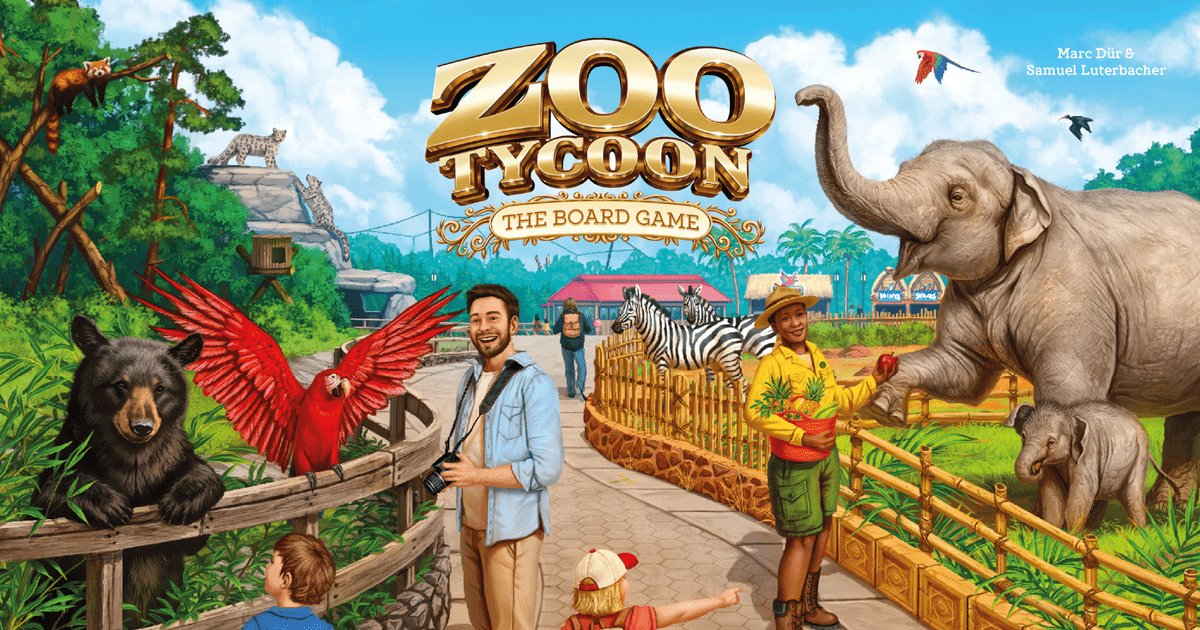
This other big zoo game can feel a bit more intimidating to get to the table versus Ark Nova, but it provides a distinct gaming experience and a different take on the conservation message. The fact that this is patterned after the computer game series of the same name brought in some unique gameplay aspects, including an education track apart from popularity and conservation. This adds a unique aspect to your zoo design that echoes the game in a great way. Plus, this game has a heck of a lot of adorable animal tokens, and it already has an excellent expansion.
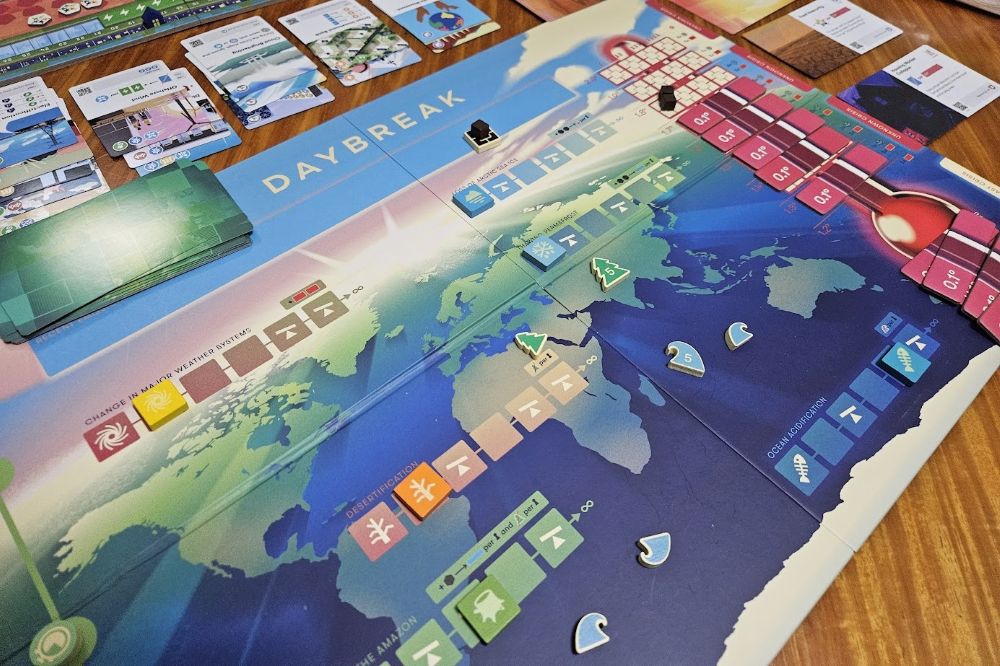
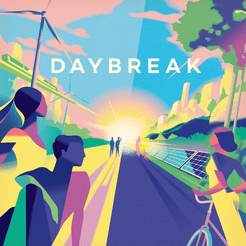
The final game I wanted to feature in this article takes the whole conservation effort on a different level - that of countries needing to work together to address climate change. It’s a meaty Matt Leacock game that is one of his hardest puzzles versus all of his other cooperative games, but a very worthy one. I also appreciate the game’s dedication to more sustainable design in terms of its production, but this also resulted in the game box being a little fragile in terms of handling all the cards and other game components.
These are just some of the games out there that have decided to address many of the environmental issues of the day through the unique medium of board games. As observed in other articles, it’s clear that a large part of our game collection involves heavier games, which sort of colors a lot of my game list articles. But in this case, I think it makes sense, as saving the planet isn’t easy, and maybe chunkier game systems help do the conservation efforts justice.