Photosynthesis
Official Description:
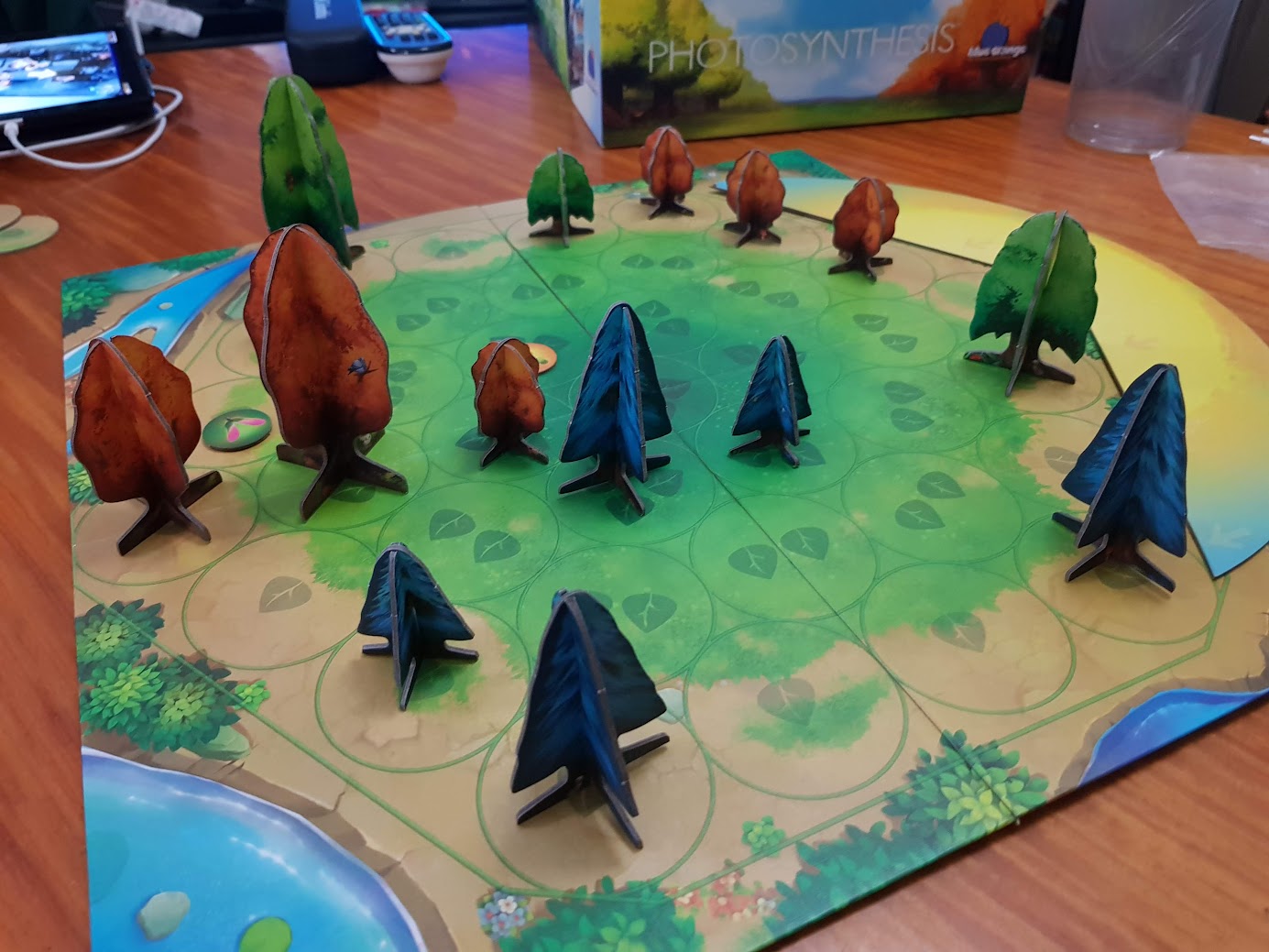
Photosynthesis is a strategy board game where players cultivate their own forests by planting and growing trees. The game revolves around the movement of the sun around the board, with players earning light points as their trees absorb sunlight. The placement of trees and the timing of their growth are crucial, as trees cast shadows that can block sunlight from reaching other trees, both their own and those of opponents.
Throughout the game, players must carefully manage the life cycle of their trees, from seedlings to full-grown specimens, and ultimately to rebirth. Light points are used to plant new seeds, grow trees, and score points by completing the life cycle of trees in optimal locations. The interplay of sunlight, shadow, and strategic placement creates a dynamic and competitive environment.
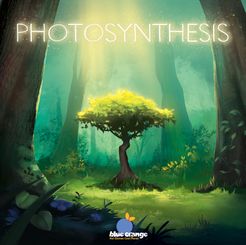
Photosynthesis is recognized for its thematic integration of nature and its visually striking components. The game challenges players to balance immediate gains with long-term planning, as the shifting sun and growing forest constantly alter the landscape and available opportunities.
Photosynthesis operates as a spatial contest where every move is a negotiation between growth and obstruction. The rotating sun mechanism forces players to audit the board from multiple angles, rewarding those who can anticipate not just their own tree growth, but also the evolving shadow patterns cast by opponents. This is a direct descendant of classic area-control systems, but with a sharper focus on positional denial and resource cycling. Its high operational reliability is evident in its continued presence on curated shelves—years of managing tables have shown that its dynamic tension and evolving board state keep it relevant, even as newer titles cycle through collections.
From a logistics standpoint, the game’s functional cardboard components and stylized trees are both practical and visually distinct, making board state clarity a non-issue even as the forest thickens. Setup and teardown are straightforward, fitting comfortably into a 15-minute prep window, which positions Photosynthesis as a main event for a focused session rather than a filler. The 60-minute playtime is accurate for experienced groups, but the physical management of trees and tokens means it’s best reserved for nights where the table can be dedicated to a single, centerpiece experience.
Teaching Photosynthesis is a procedural task—expect a 20-minute rules brief, especially when clarifying how tree height and sun position interact to determine light collection. The system demands constant mental friction, as players must visualize shifting lines of sight and optimize their seed-to-tree economy under pressure. This delivers a tangible skill dividend: sharper spatial forecasting and adaptive planning. The high-friction interaction level keeps the room engaged and competitive, but it also means the facilitator should remain present to resolve disputes and clarify shadow math, rather than stepping away once the game is underway.
Category
Tactical & Strategy
My score
8
Our Total Plays
5
Last PLayed
17 Dec 18
🏛️ Legacy
Player Count
2-4
Playtime
60 mins
Proficiency Perks
Strategic Planning
Spatial Reasoning
👑 PREMIUM
Play on BGA
Check Amazon
As an Amazon Associate, I earn from qualifying purchases.
← ALL BOARD GAMe REVIEWS