Tabletop
Leveling Up From Your Childhood Board Games
If you are still introducing board games using titles from twenty years ago, it is time to upgrade your vocabulary to match the sheer diversity of the modern tabletop landscape.
Last week’s article on how the role of dice has changed over the years had me thinking about how games get inspired by older ones. We’ve all had that conversation when we mention board games to non-gaming friends, and they can only cite classic games from more than 20 years ago that rely on pretty basic mechanics. But maybe the best way to get non-gamers into the hobby is to translate their experience with older games into their more robust modern equivalents.
This article is by no means exhaustive - there are just too many games out there, and I’m bound to miss out on the many, many, MANY games we’ve yet to play. But our gaming experience is still pretty robust, so trust that the options listed here are interesting, at the very least.
In my experience, this game is the one that most people first think of when you mention board games - we’ll get to the number two game in a bit. My partner always reminds people that this category of basic roll-and-move games is not an actual game since players don’t have agency - you could use a random number generator to move tokens around without direct intervention. So let’s talk about some actual board games with choices!
I already mentioned this in last week’s article, and I’ll bring it up again. This brilliantly designed Malaysian game feels like a classic roll-and-move at a very basic level. But the addition of events, shifting map tiles, and different route cards all come together to make a game that is a heck of a lot more. It’s still pretty wild and random, but your choices still matter…at least during your turn.

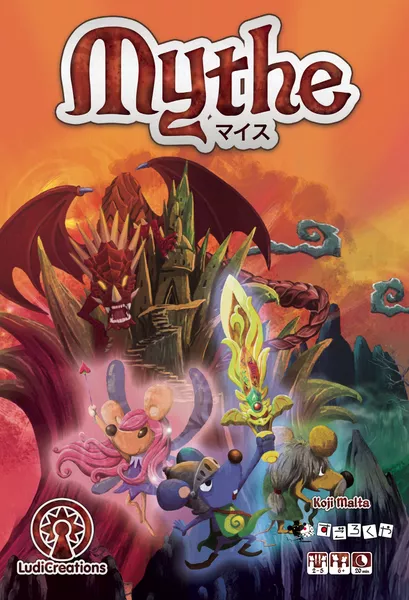
This older game is probably a bit more obscure, but I really like it. It’s positioned as a children’s game (which it is) with the very basic goal of navigating your mouse hero to defeat the dragon at the end of the path. The twist is that movement is determined by the cards that you first have the option to draw from other players’ hands. Throw in the fact that you need one of the three legendary items, and how you arrange your hands can make it harder for the active player to progress. It’s a children’s game, but designed by a Japanese designer, so we get a clever set of rules that keeps the game interesting for older players. This is way more fulfilling than any Candyland-style roll-and-move game.
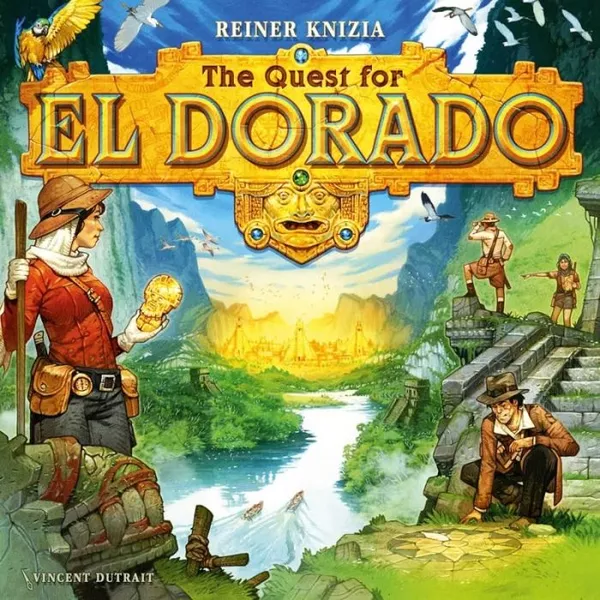
This Reiner Knizia classic deckbuilder may not have dice, but it’s still basically a game that has players racing to get to the end. It just happens to involve modular board games with different terrain hexes and requires players to play cards that match in order to move forward. The roll-and-move has come a long way, and games like this are fundamentally simple but can involve a lot of different mechanics to keep things interesting. And winning this game involves more than just making it to the end first, which again makes for a more interesting table experience.
This is the other game people are most likely to bring up when you mention that you’re into board games. And to be fair, it’s still a valid game, albeit one with a surprisingly controversial story behind it, and it is a weird celebration of aggressive capitalist practices. So what can people play instead?
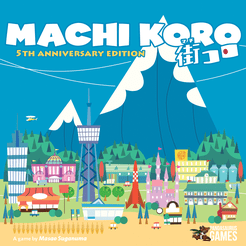
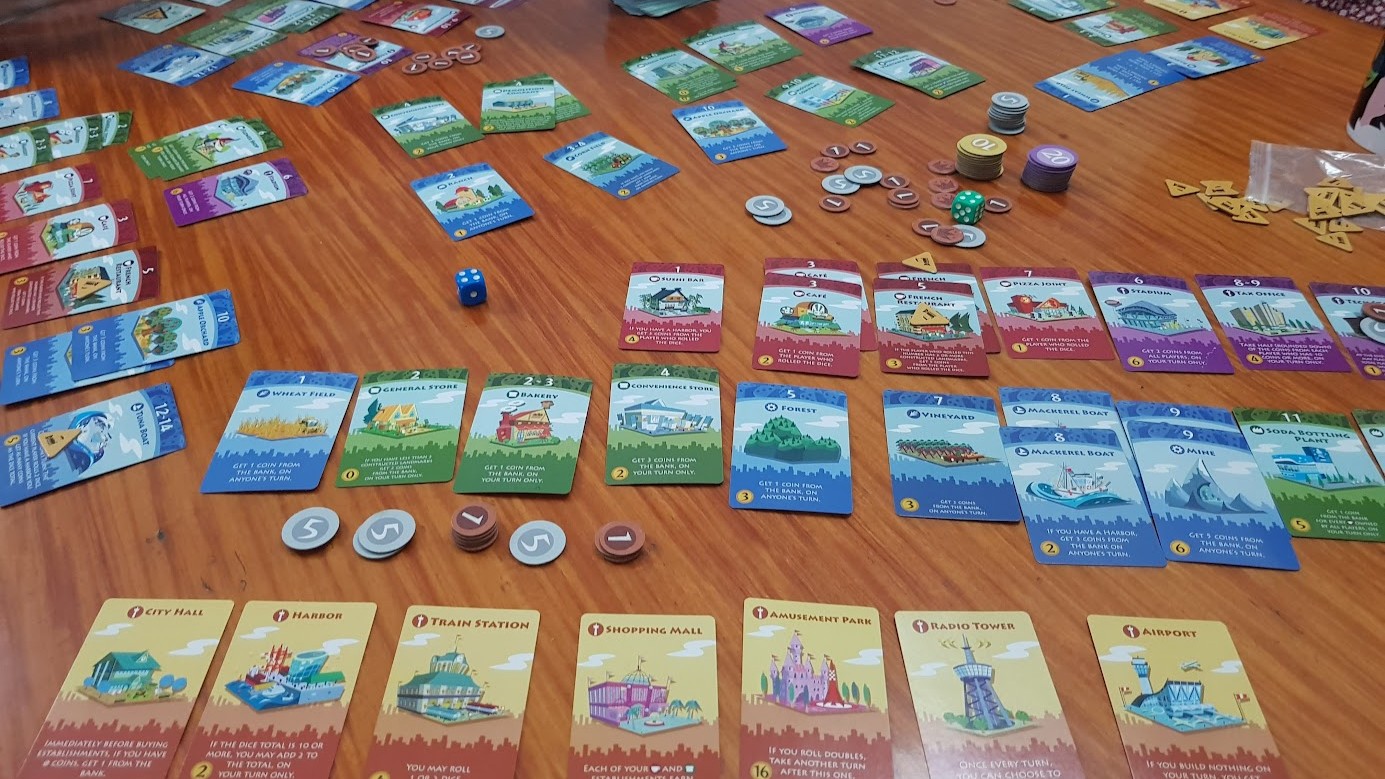
This game also came up in the last article, but I’m going back to it because it’s a close enough match to the feels of Monopoly. Gaining coins/money is tied to your die rolls and which cards in your tableau they activate. That may not feel like drawing Chance or Community Chest cards, but at least it’s a lot more in your control, especially as you add cards that cover more possible die roll values. And if you’re wondering about how Monopoly rent translates into this game, say no more! We have those red cards that take money from other players as the main “aggression” in this game.
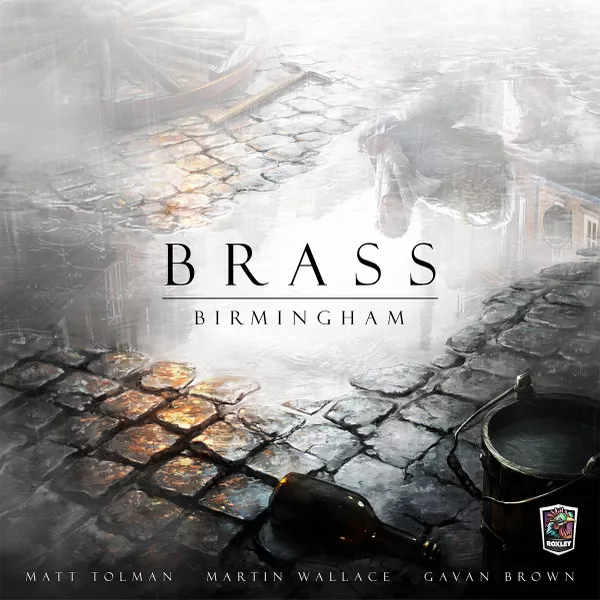
Okay, this game is quite a jump from Monopoly, but it’s still a very economic game, just one that happens to be pretty complex. But we can’t ignore this top-ranked game on BGG that has become a showcase for the kind of rich Euro gaming that a lot of gamers enjoy. While this isn’t a gateway game that you can use as a director transition from people who have only played Monopoly, it’s certainly a longer-term aspiration that they can strive for over time.
We can use this section for all classic games of strategy with the experience of give and take, attrition, and all that good stuff. I’d even cite games like Game of the Generals if Risk sounds too foreign to you. There are some rich games that tackle this, and I’ll start with some somewhat more abstract ones in order to avoid citing the many full war games out there that obviously owe inspiration to the fundamental strategy games.
I know it would be more accurate to cite the original 2004 game Gordon Hamilton, but let’s concede that the dressed-up Roxley game is the one we all know more. This abstract head-to-head game most has the feels of chess with the twist of each player having a unique god’s move set defining their actions. It forgoes the need to have many different pieces with many different movement and attack rules and instead distills it to 1 or 2 pieces that all do the same thing. But what you choose to do within the space provided by the rules is where the elegance and genius of this game lies.
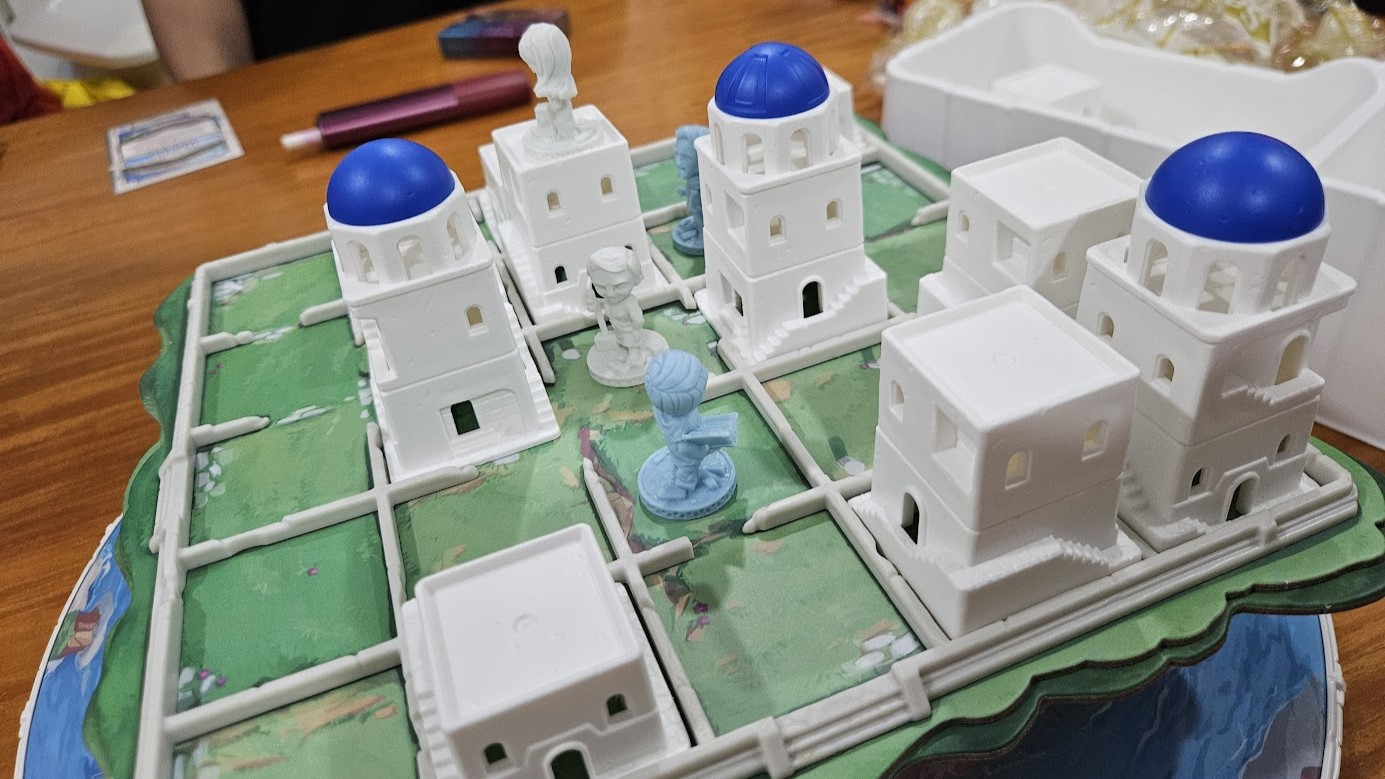
Another big jump up is this Christian Martinez game that certainly has the greater scope of games like Risk, but is something you can actually play in a fraction of the time. The game has multiple win conditions that make sure that players don’t feel limited to just trying to dominate others, and thus allows for different strategies based on the cards each player has and what forces they have on the board. Placement is everything, whether you’re chasing sanctuaries or just controlling 6 territories, and it depends on what cards you get to draw and play. It’s a rich game with beautiful art and a ruleset that is not overwhelmingly complicated.
I love this game, but I’ll admit that once I learned how to play those logic puzzles with the grid of boxes to use as deduction, playing the classic deduction game ended up feeling a little routine. The only real constraints are the strictly dice-based movement around the board that limits what questions you can ask. Modern deduction games have moved away from the player elimination aspect that penalized people who tried to guess quickly, albeit not accurately. There are so many deduction board games out there, but I’ll shine the Geeky Guide spotlight on two of them.
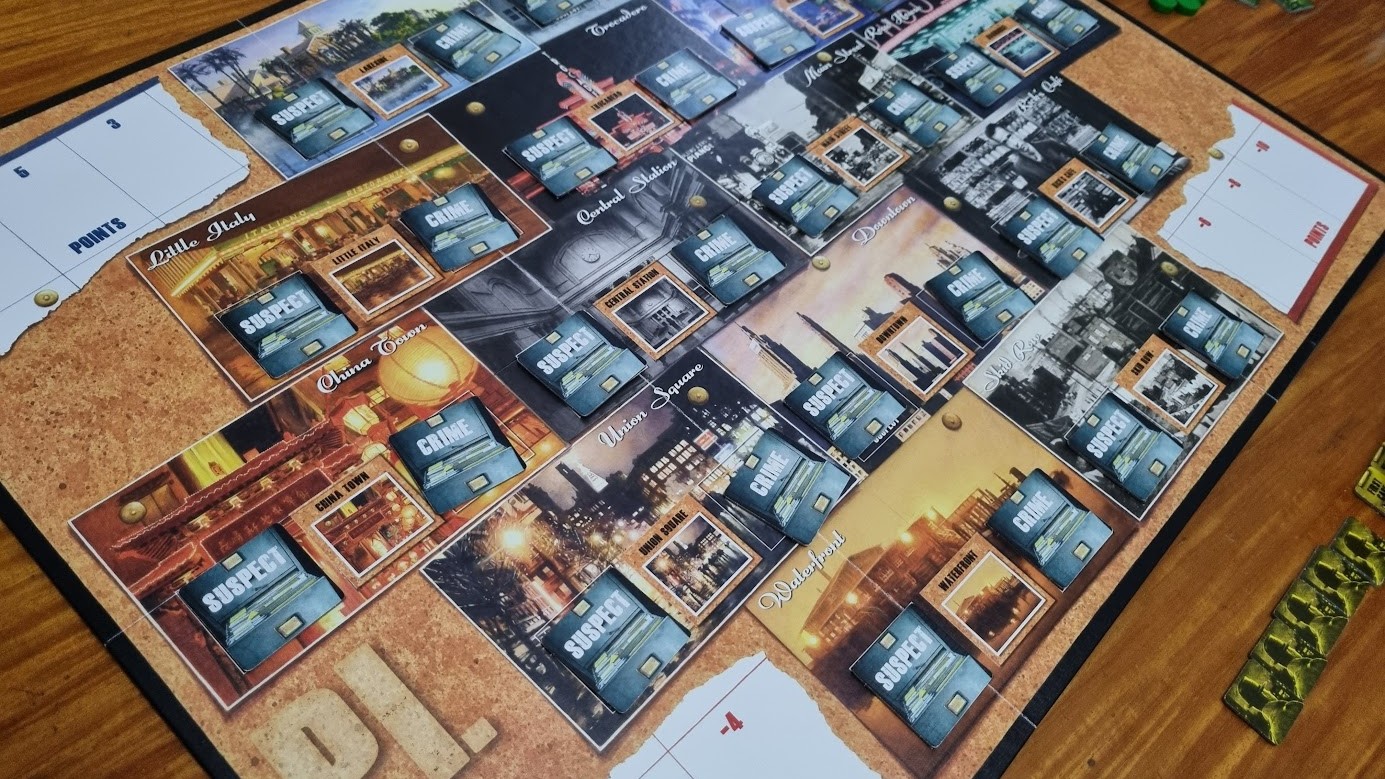
When this game was first introduced to me, I was rather blown away by how it felt like the “solution” to Clue that I never realized we needed. Each player has their own case to solve because the player next to them holds the cards for their criminal, crime, and location. So it really becomes about solving your case as quickly as possible. This game is hard to find in print these days, but it has a glorious digital implementation on Board Game Arena that is 100% free.
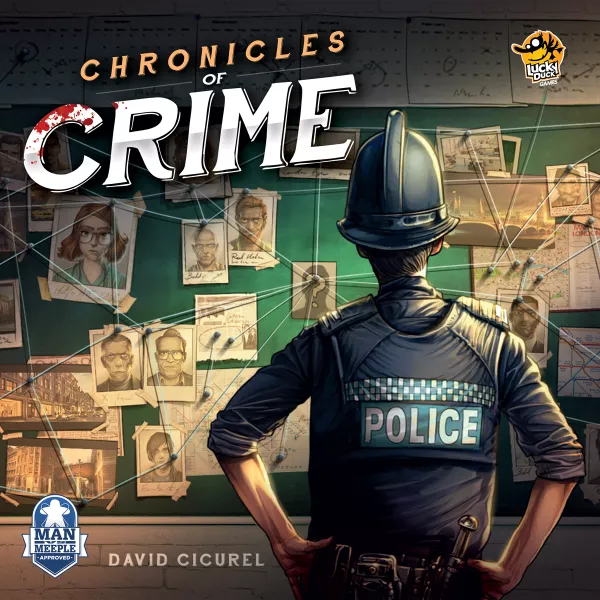
If you want a deduction board game with a bit more modern flair, you don’t have to go further than this app-enabled experience. When you investigate a location, a player has to explore a VR crime scene and shout out to other players as they try to match that with the keywords on the cards. It’s a different way of breaking down a case, but it’s all part of the fun of the game. The fact that you can use the QR code game components to craft your own cases is a whole other layer of fun that we’ve yet to explore on our own.
This classic game of trying to determine where your opponent’s naval vessels are goes way back and starts out as random guessing, but evolves into some decent deduction. Admittedly, I only have one main game to highlight here, primarily because it’s so novel that we can’t ignore it even if we wanted to.
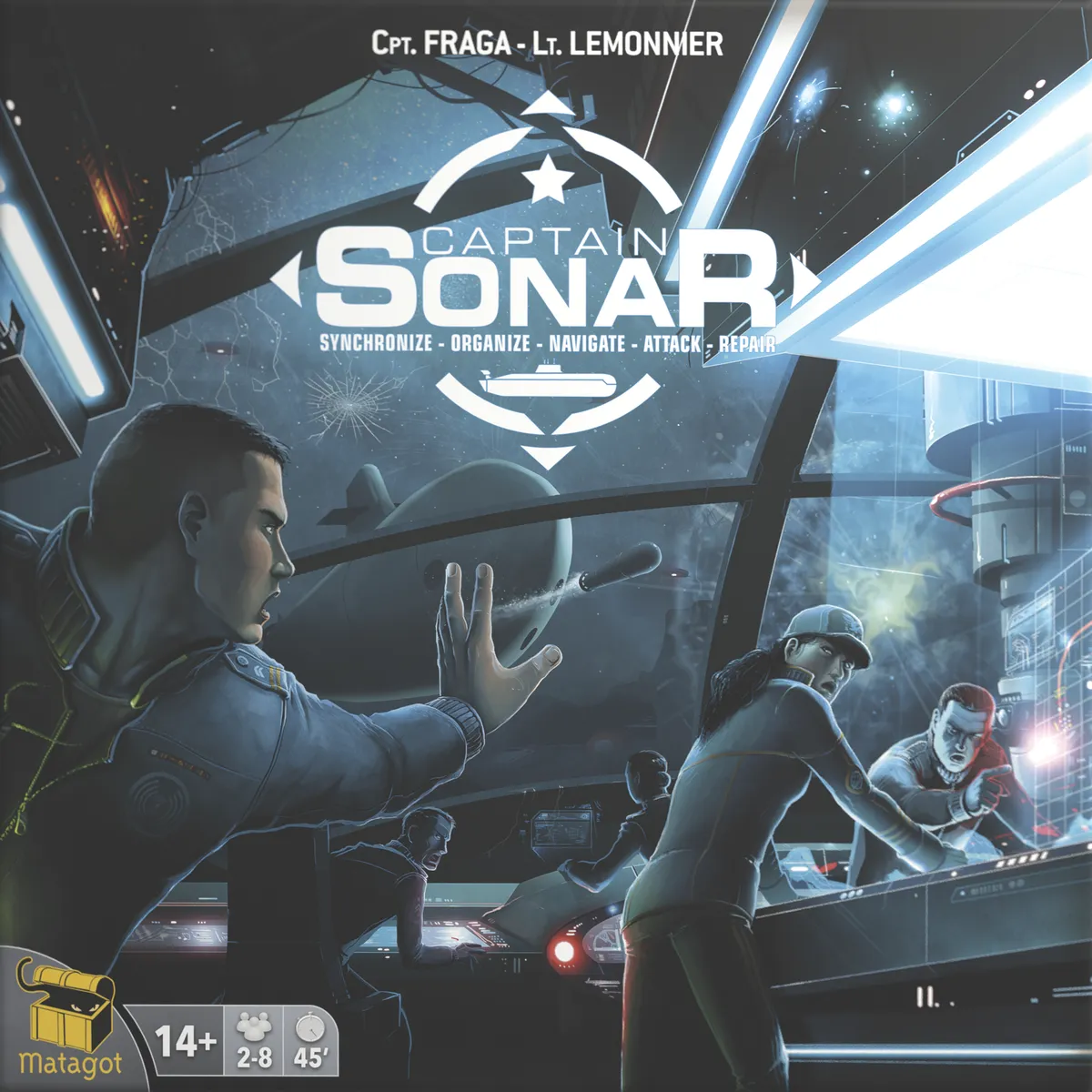
When it comes to naval warfare, you can’t get more immersive than this game. Two teams of players, up to 4 players each, go head-to-head in rival submarines as they plot hidden movement around the map while listening out for the rival submarine. The fact that you only have a screen in the middle of the table separating the teams means you can hear the other team coordinating the actions (heck, one player is primarily responsible for listening to the other team as part of their duties). It’s an intense experience even if you’re just playing it using the turn-based rules, but it really puts you in the hot seat when you play it on a real-time basis. But you can’t deny that it clearly has origins tied to Battleship - it just did away with the admiral’s overhead view in favor of putting you right in the water.
This list barely scratches the surface of games that feel like upgraded counterparts to older ones out there. It feels like a new board game comes to life every day, and we’re never going to run out of interesting tabletop experiences to explore. But given that, we need to help others go beyond the basics, so they don’t have to feel constrained to Parker Brothers releases from decades ago. The modern board game landscape is amazingly diverse, and it’s a shame if we don’t regularly challenge ourselves and go outside our gaming comfort zone.