Tabletop
The Great Dice Redemption
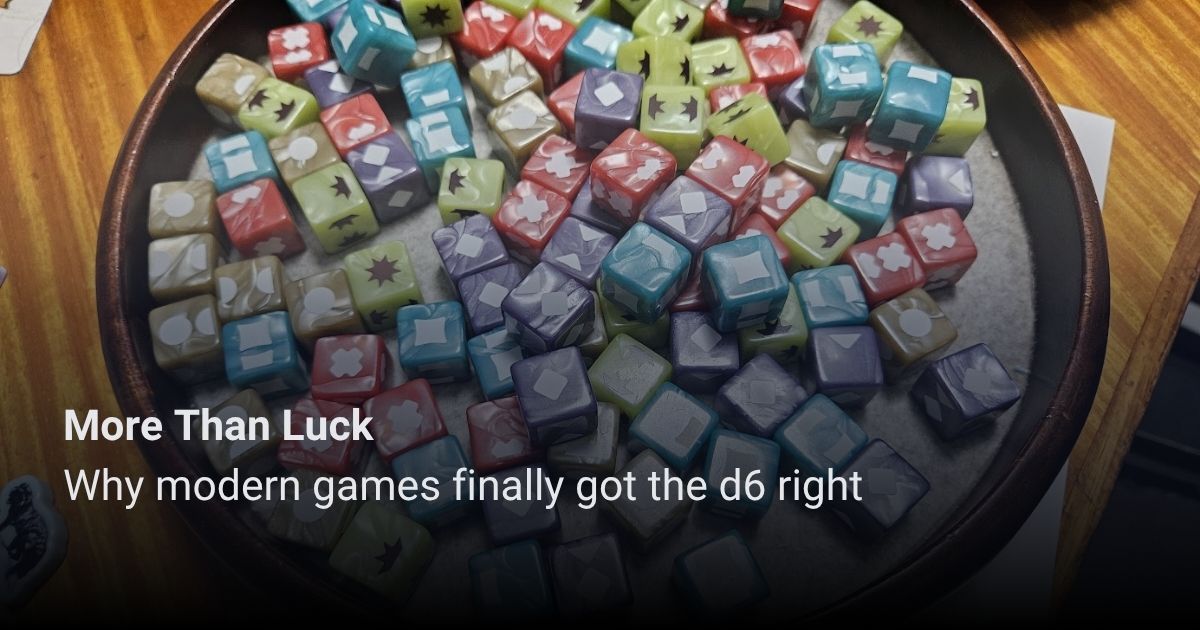
It’s time to stop letting the dice dictate our fate and start treating them as the versatile workers, resources, and customizable components that define the modern gaming era.
When you ask an average person to describe a board game, you’re inevitably going to end up with mentions of a board, maybe some cards, and, of course, dice. This leads to examples of different Parker Brothers games like Monopoly or Sorry, or more like the ever-classic Snakes & Ladders. And while dice still play a large role in many games, the rise of Euro games has expanded the definition of board games to cover a lot of different mechanics and a lesser reliance on dice.
But we’ve come a long way from roll-and-move games that don’t really give players a lot of choices. And while my partner and I do tend to prefer games with more of a strategic Euro-feel, we still have a good number of dice games in our collection that have found new ways to incorporate dice in interesting ways.
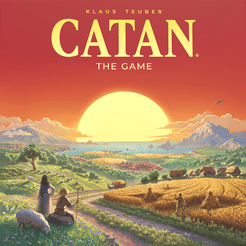
Beyond movement, the most common game effect of rolling dice is getting something in return. A lot of engine-building games rely heavily on using dice as a way to determine what resources a player or players get every time they’re rolled. The original poster child of this mechanic is probably The Settlers of Catan (KOSMOS 1995), with everything beginning and ending with the dice rolls. Dice rolls determine which tiles generate resources that turn, and a lot of player decisions are tied to the probability of those numbers being rolled. The main constraint is that there are still a lot of turns where a player may not earn any resources and end up feeling like they’re not moving. And don’t get me started on the Robber and how it mathematically has the highest probability of being rolled, thus negatively affecting players more often than not.

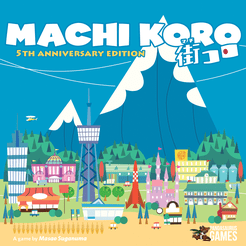
Games like Machi Koro (Groundling 2012) continued to innovate on the whole resource generation aspect by increasing the chances of everyone getting something and allowing players to craft different styles of engines that make the most of different dice values being rolled. Even the way it deals with more negative red cards tries to make sure players still have options on their turn, since payments take place before additional earnings for the round. It feels a lot more fair than Catan , but luck can still swing wildly depending on the actual rolls. And that's what makes the game so fun.
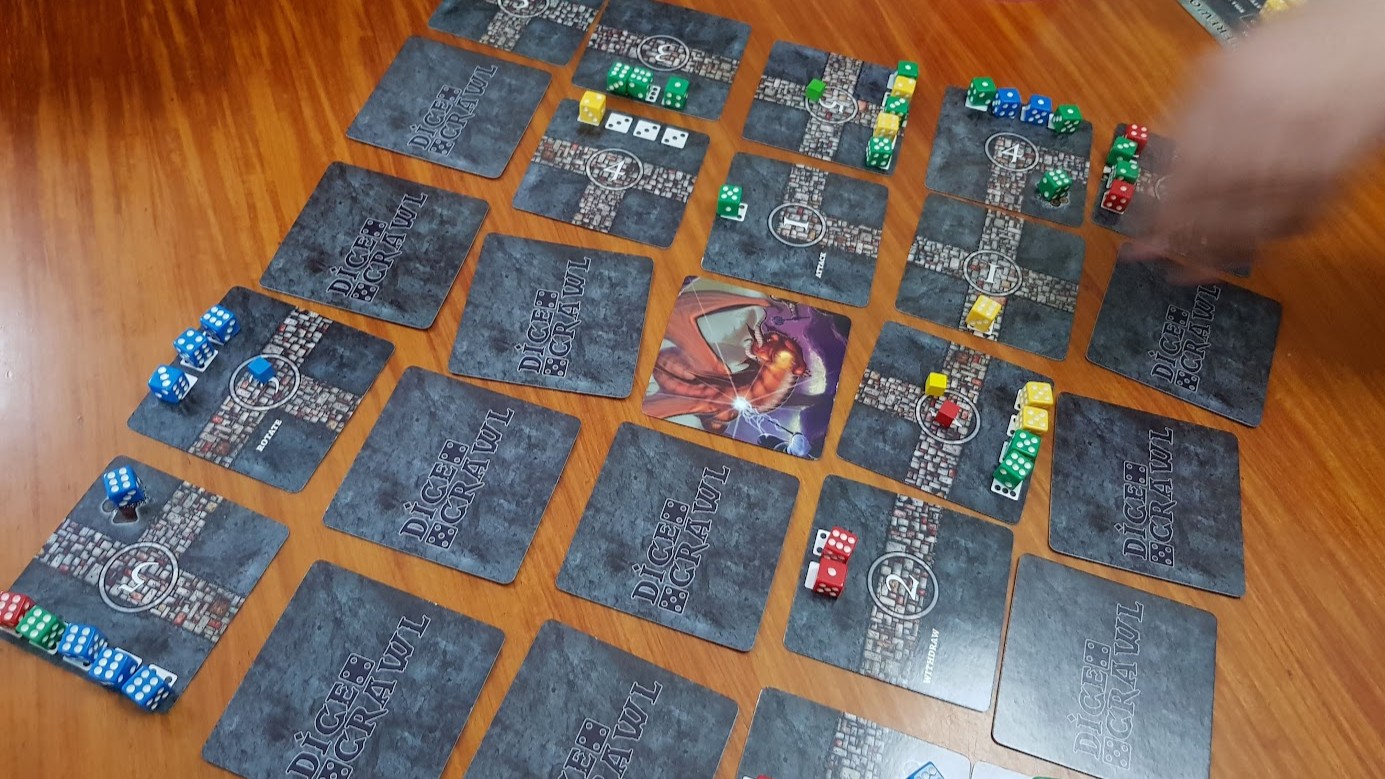
Worker placement is one of our favorite game mechanics, and roll and place games mash that together. The basic principle is that you roll a set of dice and place them on matching action spaces based on the individual die values. There are a lot of games that make use of this mechanic, but some of the examples I want to highlight start with Dice Crawl (SoulJar Games 2014). This lesser-known game is still one of the more memorable ones as it nicely married the classic dungeon crawl experience with a fast-paced dice system. It’s a little unassuming art-wise, but the core game experience is great, and it’s a great example of how the mechanic works out.
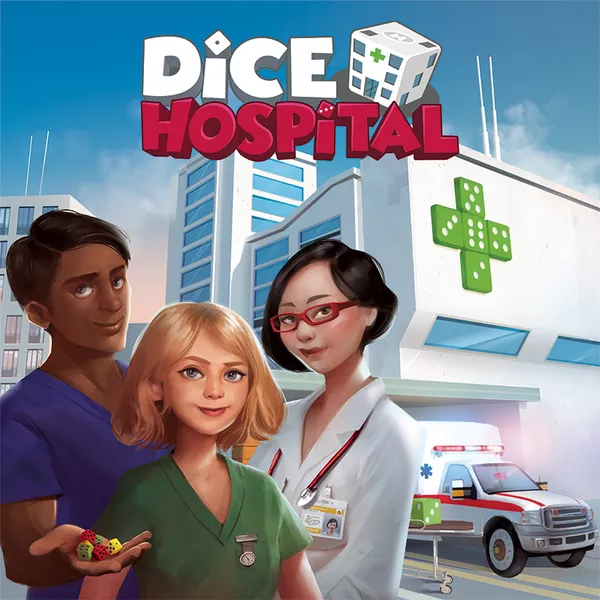
There are countless innovations in this genre, and two close to my heart are sibling games Dice Hospital (2018) and Dice Theme Park (2022), both published by Alley Cat Games. Both games were clearly inspired by classic simulation computer games, and they decided to use dice as the main medium for bringing them into the analog space. Whether acting as patients and park patrons, these games drive players to have the right tiles in their facility in order to be able to process or entertain the guests for points. There are natural differences between the two games, but they operate along the same principles. And I like the little puzzle that it represents, as it's both adding tiles to your board that covers a specific range of numbers, but also trying to draft dice that your tiles can work with.
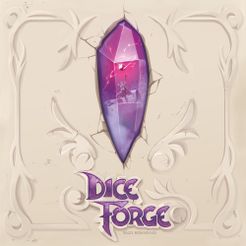
The one standout among dice games is those that really let you play with probabilities. Most games address this with powers outside the dice themselves - like roles defined on cards or things that let you modify dice values one step at a time. But there are games that literally let you change the dice more directly, and the poster child of this category is obviously Dice Forge (Libellud 2017). The dice play the classic resource generation role - whatever comes up are the resources that you get.

But over the course of the game, you get to snap off dice faces and replace them with more powerful ones that you purchase. This adds a whole other strategic layer to the game as you’re also trying to skew your dice to roll certain things. You’re still at the mercy of luck in terms of what dice face will actually come up on your next roll, but at least you feel like you have a chance to narrow those possibilities a bit. And depending on which cards are in play or which expansion modules you’re using, how your dice are crafted, or what faces you’ve removed, can play a role in things.
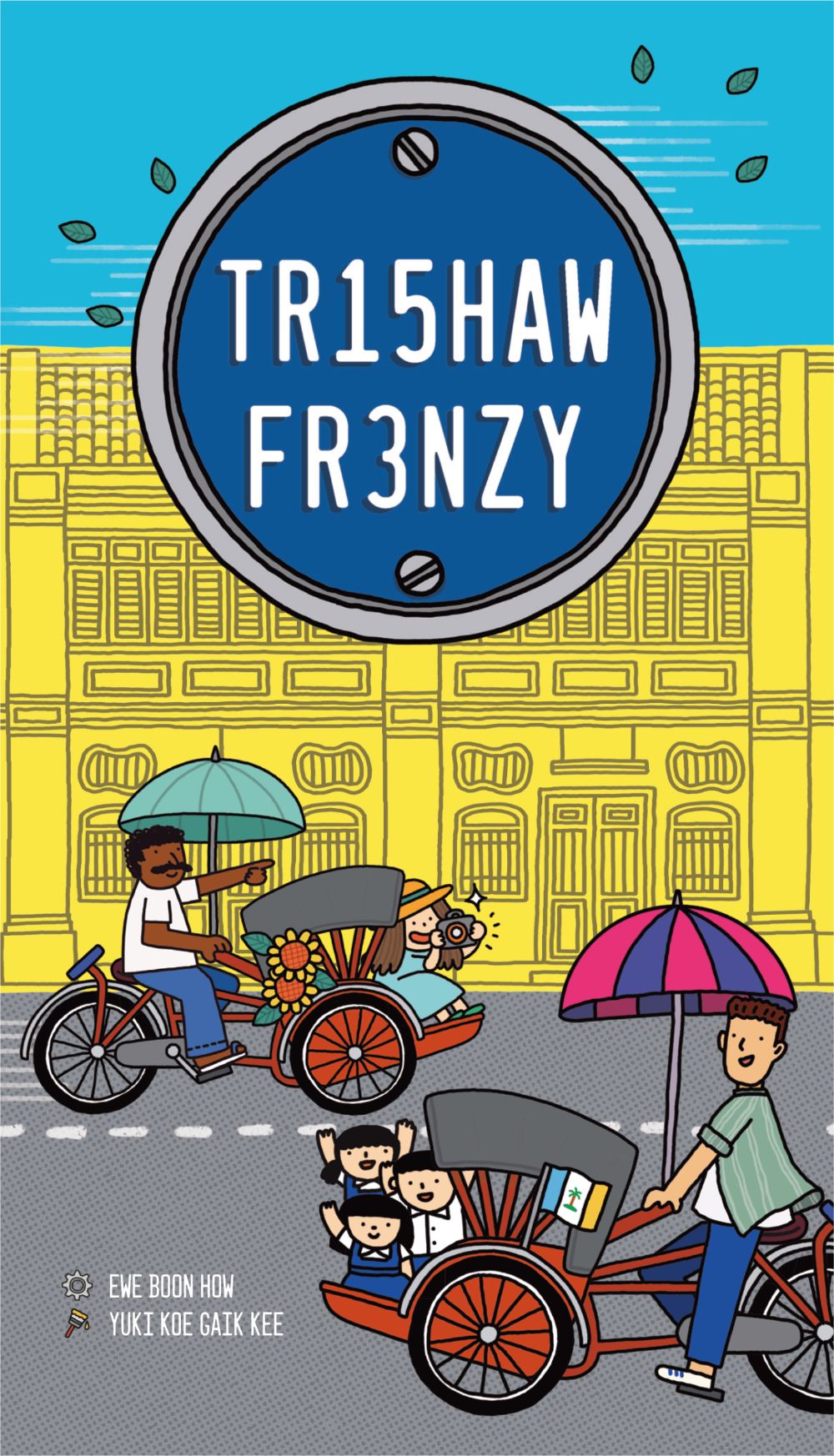
The game that really inspired this reflection on the role of dice in board games is because of a particular title that we acquired during the recent Philippines edition of the Asian Board Games Festival. The game is Trishaw Frenzy (LUMA 2024), which, at its core, is a roll-and-move game. The main premise is that players are all trishaw drivers racing to get to their destination across a modular tile-based map. Each player takes a turn rolling the die, then moves their marker that many spaces along the route.

But what Ewe Boon How did was to add event mechanics that give players actual choices in the game that might help their chances to become the first trishaw at the final destination. So the core roll-and-move mechanic still defines the game, but the other elements really made it feel like a proper game, and it results in some very hilarious table moments. And this was a great way of revitalizing a classic game mechanic and making it have the great fun of a modern board game.
Despite there being countless game mechanics in use across so many modern board games these days, many still keep coming back to needing dice in one form or another. And let’s face it - there’s a unique tactile fun that rolling dice provides, regardless of the actual result. Sometimes, the rolling alone and the anticipation of seeing how it’ll come out is enough of an adrenaline rush in itself. If anything, this post is a reminder that there are some great dice games out there that don’t use them just as a test of skill. There are a lot of creative ways to incorporate dice into the game, and I hope the few I shared from our collection help emphasize this gaming truth.