Tabletop
Don't Let the Kittens Fool You
A veteran guide to the games that look like a hug but play like a cage match.
There’s a whole host of cozy games out in the market these days, reflecting a desire for a rather specific gaming vibe. We’ve ventured into a few of them, like the super open-ended Mythwind (Open Owl Studios 2023) or the charming A Place for All My Books (Smirk & Dagger Games 2025). But not all games that touch on typical cozy themes consistently feel like it should be a warm and fuzzy experience
This week’s Geeky Guide exploration is a much lighter one, but I think you’ll enjoy going through this list of games that surprise you with tougher choices or higher social fiction at the table. Is combat cozy a thing now? And don’t get distracted by the cute artwork!
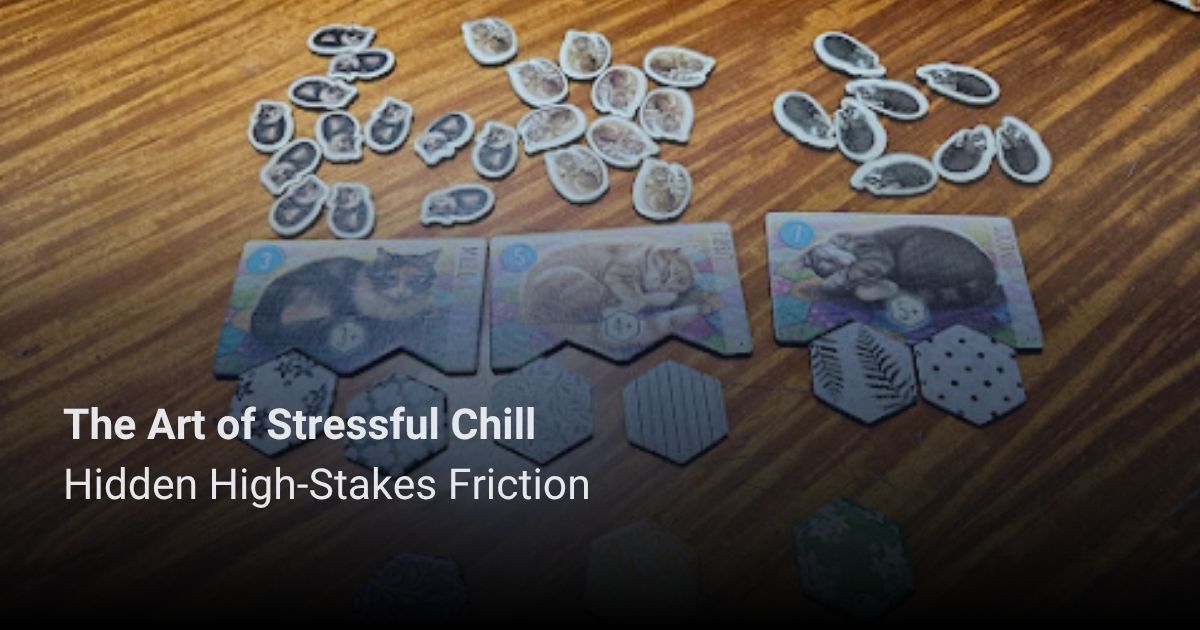
The first of Flatout’s loosely related “board games that come with a big draw bag” series (right before Cascadia!), Calico has all the trappings of a cozy game. It’s about sewing a lovely quilt together. There are cat tokens on the board to help you track players achieving the goals of the game as cats settle on your in-progress quilt.
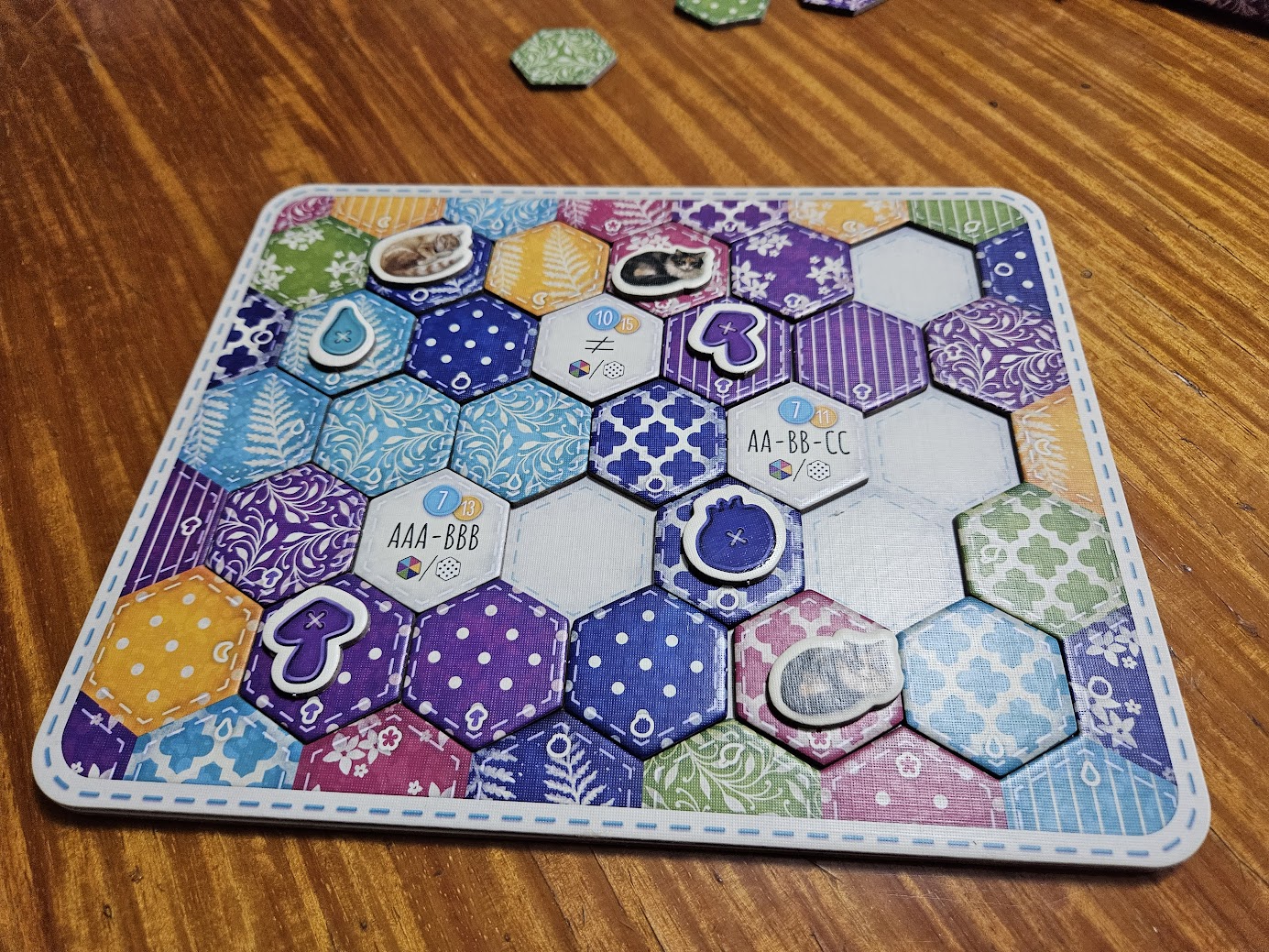
But the game is terribly stressful due to a number of factors. First, you only have two tiles to choose from each turn, which a lot of times does not feel like much of a choice. Then you have a player board with defined edges, so your tiles can’t grow out indefinitely. This plays a bigger factor in one of the most frustrating aspects of the game - the fact that your goal tiles score based on the 6 tiles around them, which doesn’t leave much wiggle room. So every turn, you feel like you’re always on the brink of giving up on scoring one or more of the goals, with limited ways of getting around things. The lack of more choices means that the cognitive load gets oddly high as you puzzle through how to salvage things, or at least get a cat out of things.
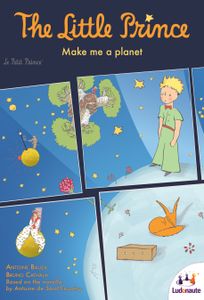
You don’t typically expect heavy stuff from a franchise/IP game, especially for cultural icons like The Little Prince. These things are typically designed for a wider, family-friendly audience, thus you need a ruleset that isn’t too heavy. And while this game’s rules aren’t the most complicated, the resulting table experience is VERY different.
It’s a tile-laying game where you may get through creating most of your planet without having any idea how you’re supposed to score points. When you do get your character-based goals, you may still get confused about how certain things score, especially the different-colored sheep. But nothing is more stressful than trying to limit the number of baobabs, then realizing that it can become an inevitability based on location. Go ahead, flip those tiles over and score very little (if at all, only with the right character) because the baobaobs have started consuming their planets.
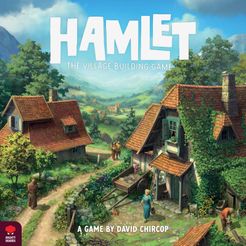
Here’s another game with a very friendly premise. We’re all working together as fellow villagers to help grow our home into a full-fledged town. There’s no engine to build since all resources are shared. So it could sound like it’s a charming little game where everyone shares what they have with everyone in order to grow the community into something much greater.
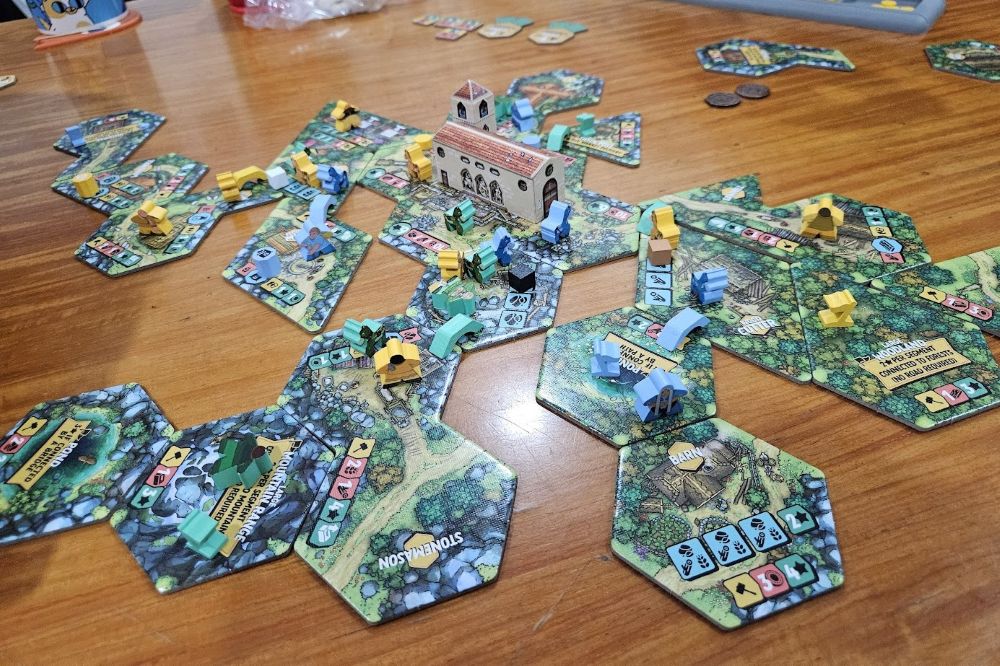
But in truth, the game can be quite tight, and maintaining access to goods so you can do what you want to do is where the struggles begin. In the early turns, all players are limited to one action per turn. You’ll run into scenarios where you prepare resources for you to use during your next turn, but by the time things swing back to you, someone else has used the resources you had set up last turn, so now you have to do the same action again, and hope that the resources will still be available. Even the shared board can be quite aggressive, especially when players start building long, isolated paths of tiles for whatever reason to limit access to building powers on specific tiles.
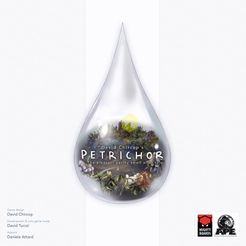
The game manual begins by waxing poetic about what petrichor is - the earth scent produced when rain falls on dry soil. Then you find out that all the different players are supposed to be clouds, although it may be more about being water droplets that can become clouds.
The game suffers from a very tight player decision space and some ridiculous configurations of the tile-based play area. So being a cloud means you can vote for what kind of weather everyone is getting.
But this area-majority game has a lot of strangers trying to get around the board, and potentially arrange for a successful bit of rain. But getting to that overflow tipping point isn’t easy, and the timing of everything really needs consideration. This game is heavier than any true cozy title.
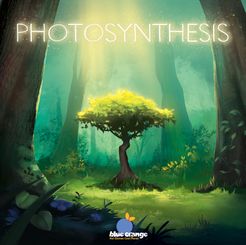
I received a copy of this game as a birthday gift, and it seemed like a lovely little game about the life cycle of trees. It comes with colorful cardboard tree standees for everyone, because all players need to manage their potential growth in the future, and what they can grow now.
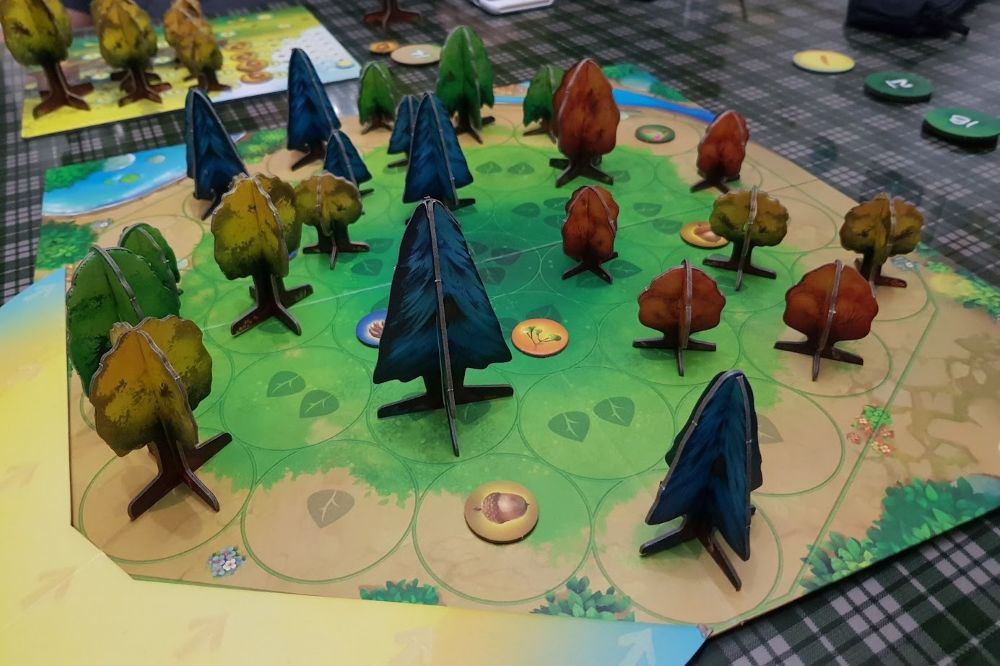
The most brilliant part of this game, which is also the source of a lot of stress for people, is how the direction of the sun interacts with other trees. Players literally end up in the shade of others, as the height of trees matters. So you get a weirdly environmentally focused area control game where you have to grow your trees across the board, but they don’t actually move once planted.
What game could be more chill than a Bob Ross, right? As much of a cool guy as Bob Ross is, this game tests everyone’s limits of chill. It’s still literally a painting game, and everyone’s player boards look like painting palettes, which is cute. But the game is still quite stressful.
The main constraint is the fact that each round has all players racing to finish painting the same painting. Players could have had independent painting goals, but instead, we have this shared space with a lot of randomness brought in by Chill Points. And what do you mean it’s not about how many paintings you finish, but instead how many chill points you’ve scored? Things can go steadily along, and then suddenly things blitz forward, and a player is a few spaces away from winning. The game has its own brand of memorable table moments, but on the whole, I never walk away from the experience.
And that’s my list for this week. I think the games that impress me most are the small ones that surprise you with some heavy-hitting gameplay. Plus, there’s the whole switcheroo vibe when you bring out game with some cute art, but then subject them to a higher friction gaming experience even without going to war within the context of the game. I recognize a lot of our table stress involves spatial reasoning games, but I still enjoy them a lot. And this whole piece is less about criticizing games for assigning heavy game mechanics to extra-cute games because it’s a whole sub-section that predates the current cozy game renaissance.
Plus, it’s a lot of fun to write things like this.