Tabletop
5 Board Games That Slowly Paint You Into a Corner
They look like peaceful puzzle games on the surface, but a few turns in, you are staring at a seemingly impossible board state, wondering how you trapped yourself.
My “dailies” include quite a number of free puzzle games - there’s something about logical exercises that scratches a particular itch for me. Across platforms like LinkedIn and Netflix Puzzled, I’ve really grown to like Queens/Starstruck/Puppydoku or Tango, malinly because they primarily rely on logic. If anything, they’re all quite Sudoku-adjacent (and I play a fair amount of Sudoku as well) but play a little faster than the original numbers game.
I realize that we also have a number of board games in our collection that trigger similar parts of our brains with their unique spatial challenges. Many times I find myself introducing a few of these games as Sudoku-style as a shorthand for explaining the primary game mechanic. If you’re also into spatial logic games of this nature, then this list is for you and your gaming group.
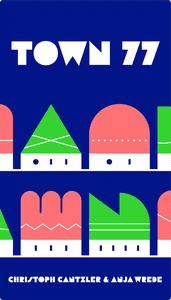
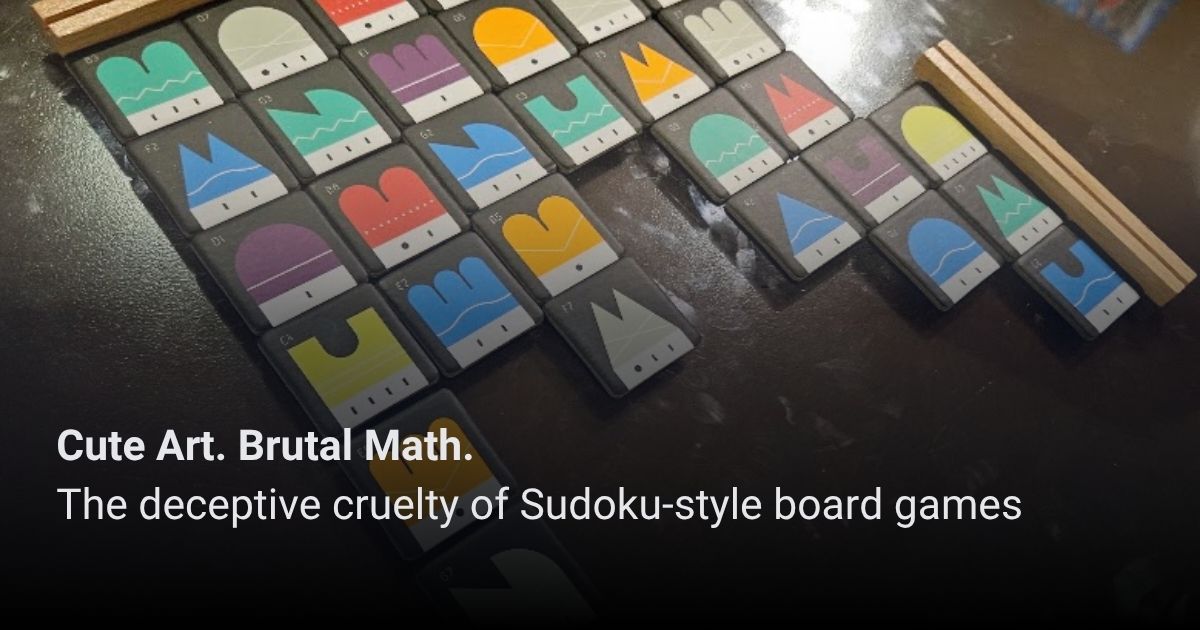
Technically, Town 66 came first, but was quickly overshadowed by Town 77. The main difference between the two games is the number of colors and symbols, so most end up going for 77 for that extra level of hope. It’s pretty much a Sudoku puzzle, but in this case it’s a shared board that all players are working with. You’re trying to stay in the game for as long as possible, but one-by-one, players will run out of legal moves and get eliminated. It’s a very tight puzzle that can subject you to some hard choices within the first few rounds.
The actual winner is determined by whoever can play their last tile, which includes some incremental steps of foregoing drawing a new tile in favor of reducing your hand size permanently. This additional decision space is what really makes this more than “just” a shared Sudoku. And because it’s an Oink game, all of this fits into a calling card-sized box!
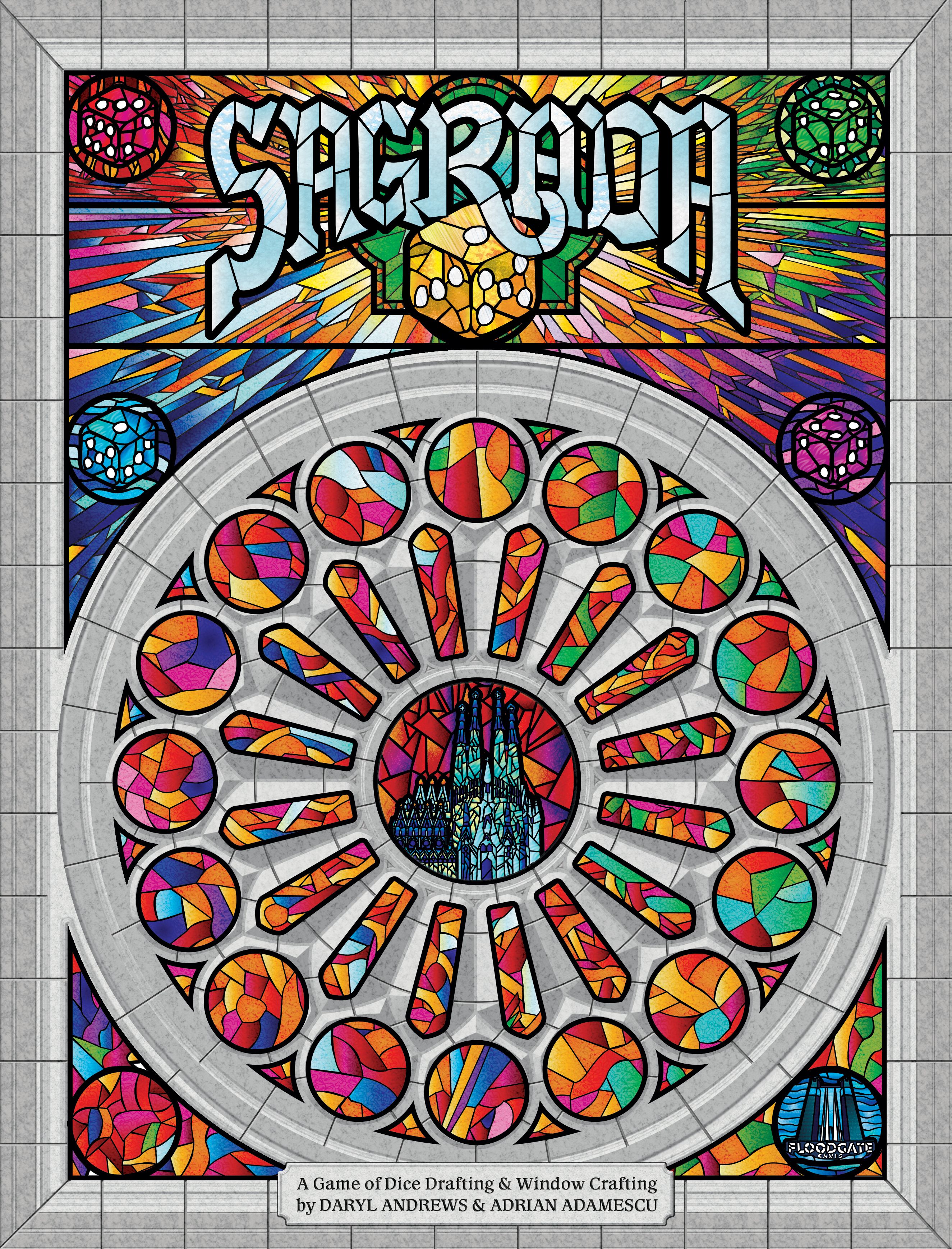
Sagrada has been around for a while, including getting a remastered edition earlier this year. It’s a great combination of game mechanics and theme as players work on their respective stained glass windows by rolling and placing different-colored translucent dice. But there are strict placement and Sudoku-style adjacency rules based around the dice values and dice colors. So things start out pretty chill, but get increasingly stressful as the game progresses.
To be fair, you all get unique ways to score points that direct your dice placement efforts. And there are limited ways to manipulate dice values by spending Favor tokens, but these are in very limited supply. That 5x4 grid really isn’t a lot of space to work with, but therein lies the core puzzle of the game.
If you want to be technical about things, Calico does not have a Sudoku element per se. However, the goal tiles spread across the middle of your limited player board are what impose that same feeling of limited options if you hope to score anything. Worse, it’s not just one point mechanic that is nudging you in a particular direction. There are design goals on the board itself, then there are the cat goals, and finally the bonus of getting buttons whenever you create a contiguous cluster of a particular color.
Needing to balance all these contrasting goals at once in the hopes of scoring points is the logic trap and the main source of stress. What more the fact that you don’t even get to hold a lot of tiles as options. I’ve been through many games where players start with some grand plans for hitting multiple goals at once only to hear groans later in the game as they lock themselves out of options by the late game. In truth, this stressful game experience inspired my other article, Don’t Let the Kittens Fool You.
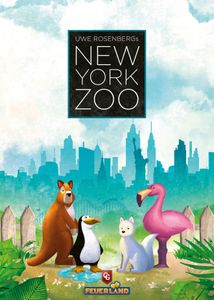
This is another non-Sudoku board game, but New York Zoo is very much a complex tile placement puzzle. It’s a rare Uwe Rosenberg game that does not involve needing to feed your workers/family from that time in his game design career where he was really into polyomino tile placement for some reason. Instead of placement restrictions, this game’s puzzle centers on limited tile options and needing to get the right animals in your zoo. And the only goal is to fully cover your board - that’s it! No need to calculate victory points or anything like that.
Across the game, you’ll be faced with the choice to either add a new tile/enclosure to your zoo board or add 1 or 2 animals to your zoo. Initially bigger tiles are available, which are great since they cover more of your board. But they tend to have very odd shapes, which can get frustrating. Then the other way to get tiles is to completely fill up an enclosure with the same type of animal. Initially there will be some large tiles available, but by the end game this is the only way you can get 1- and 2-square tiles to fill up those annoying gaps. It’s a unique puzzle with a lot of elements of balance, but it always makes for a satisfying play experience.
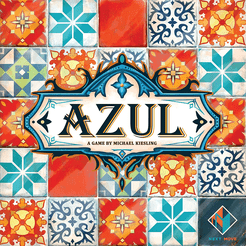
One of the earliest “Splendor-killers” to hit the market, Azul is still one of our favorite gateway games. But you can’t get around the very Sudoku-like puzzle at the center of things in terms of where you can place the tiles of your mosaic. If it was just a question of drawing one tile at a time, there hardly would be a game. But you’re forced to get all tiles of a single color/type during your turn, and this is where your options can narrow over time. Even worse, players can activtely try to maneuver the board state to force later players to draw too many tiles.
What’s even crazier is when you play with the blank board on the other side where the board doesn’t dictate the arrangement of the tiles. However, the same Sudoku-style rules apply, so players can end up creating a tile state that won’t allow them to place anything in particular areas. The few times we’ve played with the gray size, I’ve practically just recreated the pattern of the default board because it’s the formation that is proven to work.
So if you’re into Sudoku or logic puzzles with a strong spatial component, these five games are certainly ones to consider for your next game night. But do note that turning them them into games have all resulted in some very stressful experiences, so not everyone will be as excited as you to get your logic on in this way. Interestingly enough, Town 77 feels like the overall winner in this range of games given the relative depth of its gameplay along with its amazing portability and ease to get to the table. I’m a big sucker for New York Zoo as the evolved state of Rosenberg’s Puzzle Trilogy of games (Cottage Garden, Indian Summer, & Spring Meadow). And when in doubt, there’s always Azul as your abstract gateway game that should work well for most players.