Tabletop
The Best Escape Room Board Games
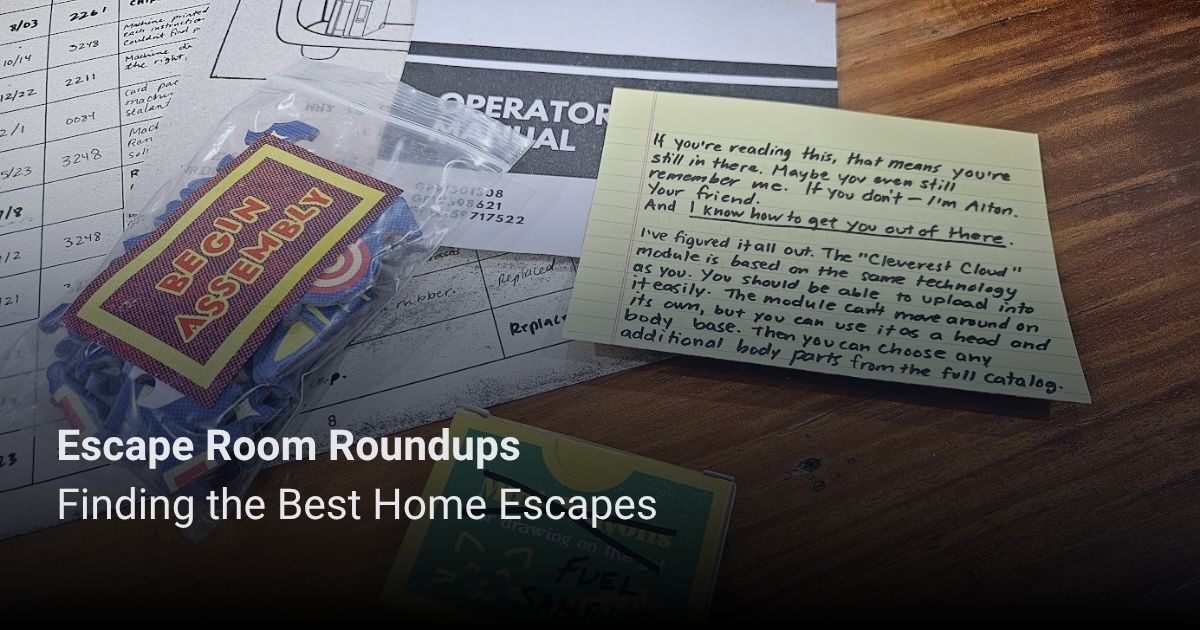
While packing a full escape room experience into a single box is a brilliant, budget-friendly alternative to real-world venues, not every tabletop puzzle line manages to stick the landing.
When we first discovered the escape room board game genre, my mind was blown. As someone who had balked at the costs of signing up for actual escape rooms, their board game equivalents became interesting alternatives at a fraction of the cost. Since then, we’ve tried our luck with a wide range of these games with varying results.
I’m traveling today, so this article isn’t going to be the most organized, but I’ll try to keep it as substantial as possible. So let’s talk about escape room games!
Some of the longest-running escape room game franchises are still some of the best, and they continue to churn out some really interesting puzzle narratives. There are two key lines I’d highlight here - it becomes a question of whether you want to be able to repeat the game or not.
This was officially the second line of escape room games that we got to try, and it wasn’t a home run right. This app-based game started out a little clunkily with very uneven puzzle quality and some rather shallow narratives among its early releases. Its main feature was the fact that the games could be reset and played again, although with another group of players who didn’t know the solution. After all, the core components of each Unlock! are the deck of cards and the mobile app that adds the code gate. Later editions include an additional map or story element, but not much else. That kept the board game feel of these titles and opened the door to regifting or selling them on the secondary market. Things got better over time, and their current method of selling three puzzles of varying difficulty in sets versus individual small-box titles really helped things along. And the writing behind the games got steadily better over time, with each new experience something to look forward to. I also think they’ve done particularly well with third-party franchises; thus, their Star Wars and board game sets are some of their best work, in my opinion. They’ve also expanded to a new line of Short Adventures (which still needs the app) and a Kids line (fully offline!), which are both worthy explorations even for adult players.
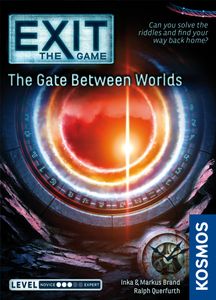
This is where our escape room board game experience began, and it’s still the line we continue to return to time and time again. EXIT games are true escape room experiences in the sense that you can only play it once since some puzzles will require you to draw on pages, cut out shapes, and even destroy parts of the box. The more EXIT games you play, the more you’ll appreciate that nothing is sacred, and you’ll want to try some pretty left-field ideas here and there in the hopes of getting to a solution. I’m generally good with their puzzles up to level 3 difficulty - the higher levels tend to feel more like certain puzzles are only hard because they’re not intuitive and no hints or instructions are firmly established in the narrative. But beyond that, they’re still really fun and have some genuinely amazing table moments given clever puzzle design. They’ve tried various expansions like a Kids line, a set that included actual jigsaw puzzles to assemble (not a series I’d recommend), and finally yearly advent calendars, which are totally worth the time to play through.
There are a lot of escape room games that promise to be super travel-friendly and easy to bring to different game nights. They’re almost always repeatable games without component destruction, which expands their appeal for more gamers.
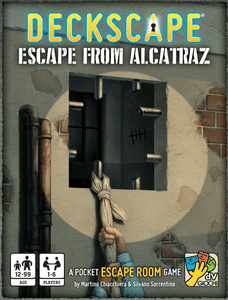
These purely card-based puzzle games fit into a box about the size of a Fluxx set. Within 60 cards, each box promises a full puzzle adventure, provided players are able to figure things out and finally “escape” the game scenario. The writing for these games is pretty good, but the puzzle quality varies a bit more. And I get it, there’s only so much you can do without something like an app to ensure players go through puzzle stages in the right order or more game components.
This other line of escape room games by this publisher is more of murder mysteries, but includes the extra table presence of using cards to create the crime scene for all the players to see and examine as they need to. This series felt a lot better in terms of quality and does a great job of getting more players involved in the experience versus how Deckscape plays out. Still, not all scenarios are created equally, and this line still has a lot of room to grow.
If you’re looking more for a lengthier campaign-style experience that means you’ll get more plays out of the game, I have two main titles to recommend.
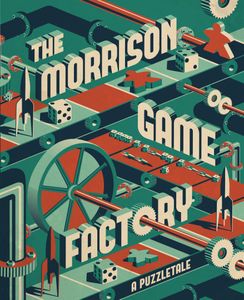
This is a great narrative puzzle game that feels like a campaign given the amount of content in the box, but you could totally play it in one go instead of breaking it up into sessions. The box seems unassuming with its weird collection of generic board game pieces, but once you start digging into the story, you’ll be surprised at how deep things go. I tracked this as 10 sessions based around the main puzzles that sort of act as gating mechanisms, so that’s a fair amount of play. That said, it can feel overwhelming at the start since the game does not clearly tell you what the puzzles are - you have to study everything available to you and see where your intuition takes you.
If you want a puzzle experience with a more defined core narrative (and game mechanism), then this is your best bet. The story focuses on a group of kids who find a mysterious board game - which is the game you will actually play. The meta-narrative works well on various levels and keeps things interesting. As much as you’re playing the same game-in-the-game over and over again, each subsequent play introduces new game mechanics and challenges, giving it a good puzzle challenge. And that doesn’t include the larger puzzles that sort of define the narrative that runs through the chapters. There are codes and clues hidden all over the game, and you may get distracted trying to decipher them even before they might be useful in the game itself. It’s a really solid experience, and it holds continued potential outside the core comic book narrative.
Not every escape room game experience is a guaranteed hit. Here are a few explorations that we tried that haven’t been all that great. I would not recommend them as first experiences. They’re more if you want to try something very different.
The sound-based puzzle game! You need the companion app to hear the clues, but it’s not as exciting as it sounds. To be fair, we’ve only played one scenario so far, but the use of sound was super underwhelming.
This series consists of two trilogies of games now: The Leopold Trilogy and The Maria Trilogy. The game is designed to explore more adult themes, and it does have quite the disturbing narrative. However, puzzle quality is all over the place, and you’ll often find yourself not knowing where to go next. Throw in the fact that the setting may be unfamiliar to most players, so things are probably getting lost in translation.
Similar in size to Deckscape, this compact card-based mystery game has players assembling different crime scenes or areas of interest that you’ll need to interact with. Basically, you flip cards to reveal the clues underneath based on what the art showed, and the results can be quite mixed. We’ve played two of these so far, and they haven’t been the best games out there. You can try one on BGA, strangely enough.
This card-based time travel puzzle game has a rather interesting premise but terrible implementation. The time marker cards are super generic regardless of the theme you explore, and the revealed clues are often super vague and difficult to piece apart. Really not a strong game line.