UNDO: 600 Seconds
Official Description:
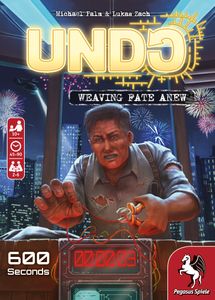
UNDO: 600 Seconds is part of the UNDO series, where players take on the roles of fate weavers, striving to prevent sudden deaths by altering key moments in the past. In this installment, the story centers on a bomb disposal expert who has only 600 seconds to prevent a catastrophe. The players must travel to various points in the character’s timeline, making crucial decisions that could change the outcome and save lives.
Throughout the game, players collaboratively discuss and choose which moments to visit and how to influence events. Each decision can have far-reaching consequences, either improving or worsening the situation. The gameplay emphasizes teamwork, deduction, and narrative exploration, as players piece together the story and attempt to unravel the mystery behind the impending disaster.
UNDO: 600 Seconds offers a unique blend of storytelling and puzzle-solving, challenging players to think creatively and consider the ripple effects of their actions. The game is designed for multiple playthroughs, with different choices leading to various endings, ensuring a fresh experience each time.
UNDO: 600 Seconds sits within the narrative puzzle lineage, leveraging a time-travel premise and a high-concept decision-reversal mechanic to drive its collaborative investigation. The story orbits a bomb disposal expert’s final ten minutes, with players acting as fate’s agents, jumping between pivotal moments to alter outcomes. Mechanically, the game’s structure is ambitious—offering a non-linear, branching narrative that demands players track cause and effect across multiple timelines. However, the heavy reliance on text and the lack of visual cues create high mechanical friction for the output, especially when the time-travel logic falters under scrutiny. For a veteran curator, its solved status and selective deployment only shelf value stem from the fact that, once the mystery is unraveled, replay drops sharply and the flaws in narrative cohesion become more apparent.
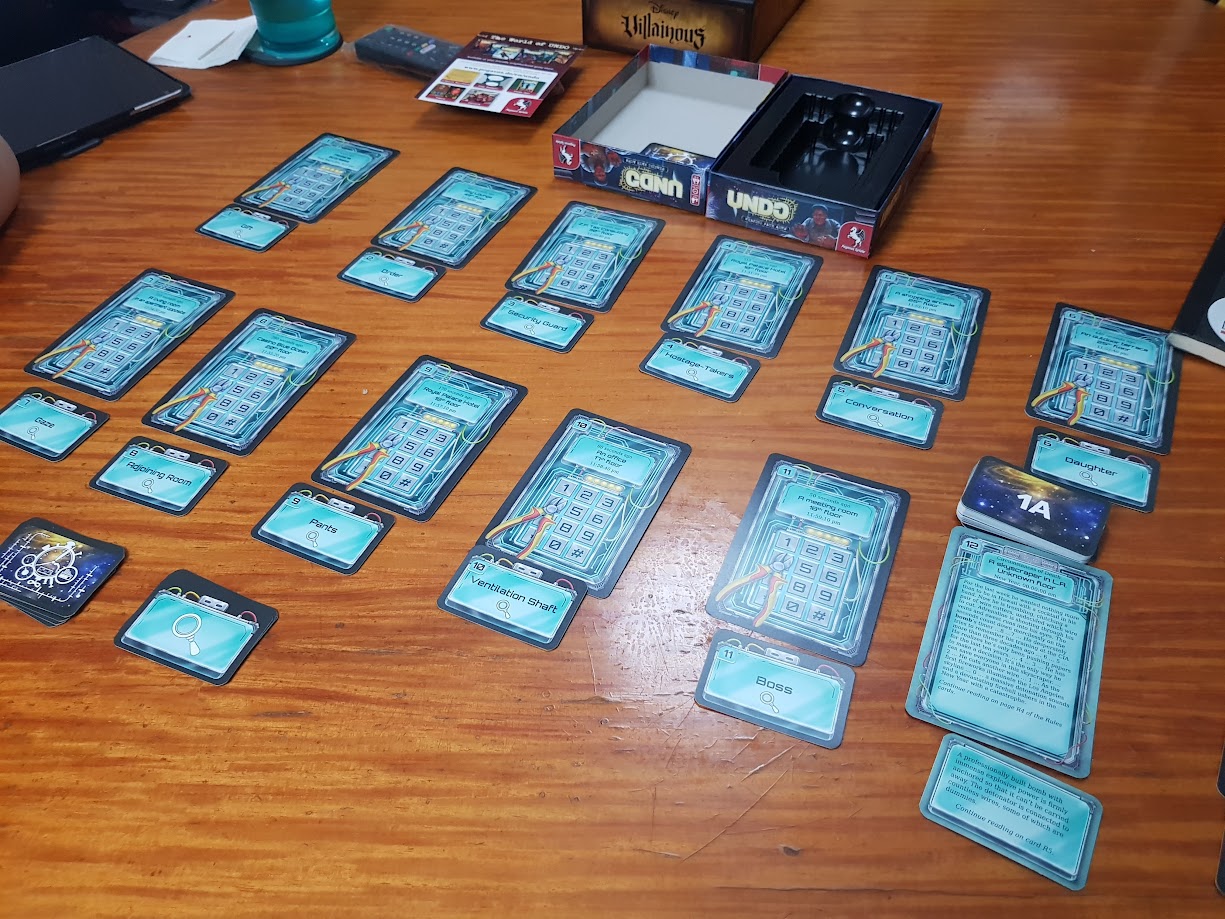
Physically, the game is a compact card-only package, making it easy to transport and set up—ideal for situations where table space is at a premium or when a quick, self-contained experience is needed. The minimal footprint and immediate start-up mean it can fill a 90-minute slot without derailing the flow of a game night, but its text-heavy nature and lack of supporting art limit its appeal as a main event. It’s best positioned as a one-shot narrative experiment or a filler between heavier titles, rather than a recurring staple. The absence of tactile or visual engagement means it won’t anchor a session, but it does offer a low-prep option for groups interested in collaborative deduction.
From a teaching perspective, the system is approachable—rules are light, and most groups will be comfortable by the second round. The collaborative format means the facilitator can step back after clarifying the timeline mechanics and let the table drive the discussion. The primary skill dividend is in group deduction and managing the mental friction of piecing together non-linear story elements. While the interaction level keeps the room engaged, the lack of visual or tactile variety can cause energy to dip if the narrative doesn’t land. For hosts, it’s a low-barrier, discussion-driven experience, but one that’s best reserved for groups who enjoy text-based puzzles and are willing to accept some narrative rough edges.
Category
Thematic & Narrative
My score
6
Our Total Plays
2
Last PLayed
25 Jul 21
🔍 Solved
Player Count
2-6
Playtime
90 mins
Proficiency Perks
Systems & Logic
Check Amazon
As an Amazon Associate, I earn from qualifying purchases.
← ALL BOARD GAMe REVIEWS


