Tabletop
Why Simple Board Games Have the Worst Rulebooks
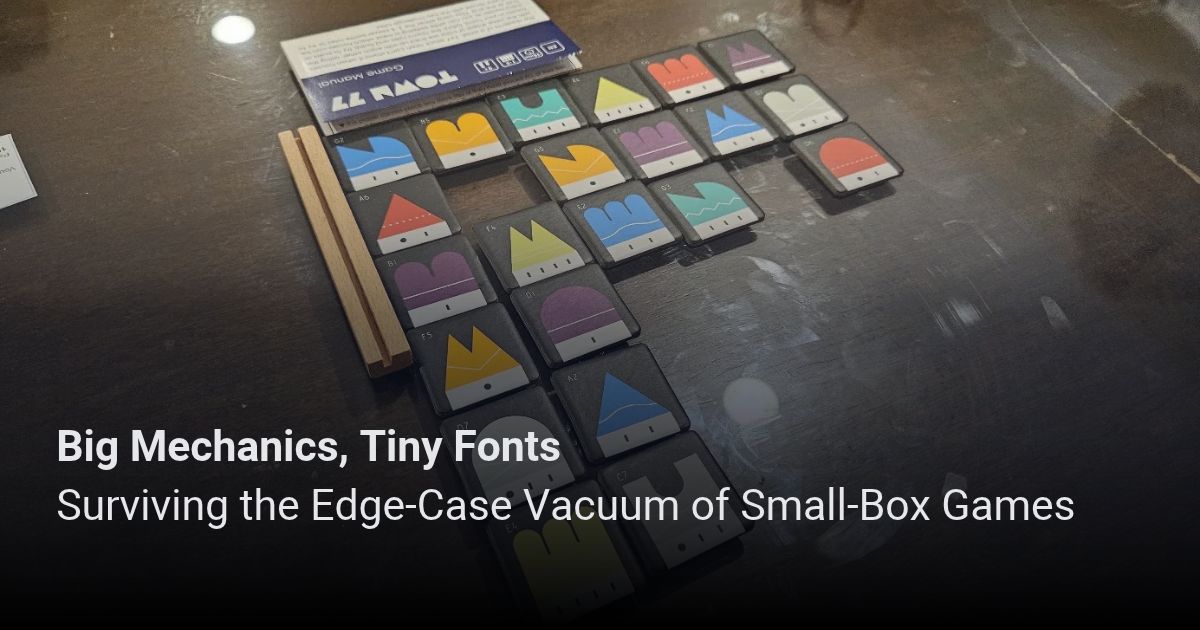
A great filler game is supposed to hit the table and play in under 15 minutes. But when publishers cram the entire ruleset into a microscopic pamphlet, the host is left scrambling through online forums whenever weird questions come up.
In Cognitive Compression, we celebrated how there are game designers and publishers out there who really embrace making games that turn out to be bigger than what their box implies. But that physical footprint comes with a hidden cost for whoever is handling the teach.
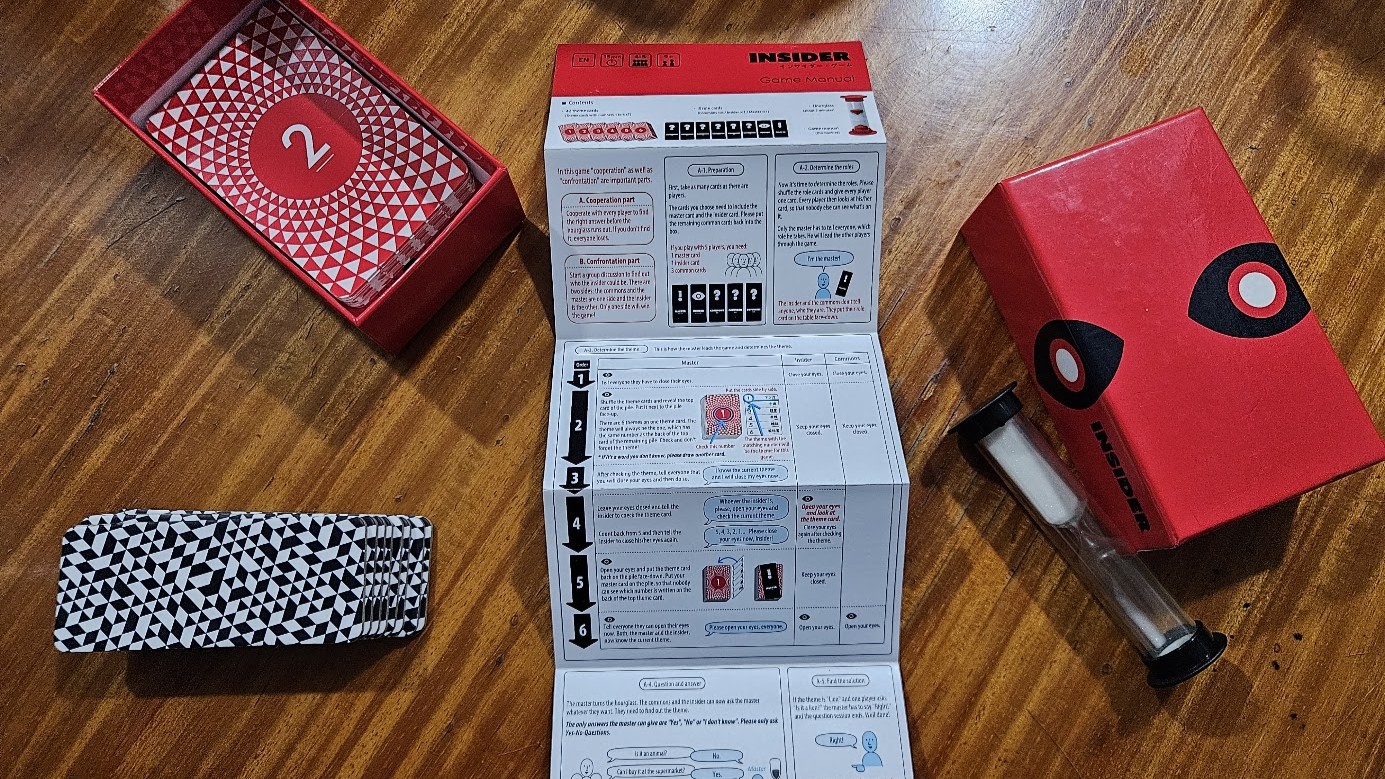
The poster child for this remains to be Japanese publisher Oink Games, which specializes in mostly calling-card-sized boxes for their games. In exchange for getting a highly portable, brilliant game experience, you also have to deal with a lot of small components and some seemingly light manuals (in multiple languages) with dense content. We often joke that every Oink Game has a bonus final round - trying to figure out how to get everything back into the box perfectly.
But anyone who has played an Oink Game also knows you have to deal with the interfolded sheet that is the manual. It’s often sized to be the bare minimum size needed to go through the rules using fairly small fonts that definitely impact readability. It generally gets the job done, but it doesn’t address some of the trickier parts of the rules, which results in people reaching this site through searches like “Town 77 game rules” or “SCOUT tutorial”. Our table is no exception to this, as many a game night has had to pause for a BGG check, even when playing a small box game. That puts a bit more weight on the shoulders of whoever is handling the teach for these smaller games, as they need to research other questions that may come up in order to save time during the actual game night.
The limited space for explaining the rules carries the assumption that the rules explanation is sufficient to cover the basics and that players will figure out the rest on their own. In most cases, this is totally fine. But every now and then, we’ll run into a scenario that defies the size of the game and results in a short discussion that we can only resolve to satisfaction with a quick BGG forum search in case anyone else has asked the same question. And this isn’t a design flaw but more the consequence of the more limited space to explain things further.
We see how bigger games take a more exhaustive approach to documentation in order to cover those cases. Many a Uwe Rosenberg game like Caverna and Feast for Odin comes with several manuals - at least one focused on the rules and another that acts as an appendix that details all the cards or tiles and how they work. This doesn’t make the games immune to that occasional need to run to the internet for answers. But it does show the luxury of having more space for supplementary content like FAQs and other guides.
The BoardGameGeek forums are the best friend to anyone running a table. They’re not necessarily exhaustive in coverage, but more often than not, particular questions about games come up and the internet group mind is able to weigh in.
It’s even better when members of the design team are active on the forums and are able to provide “official” explanations for some of the quirkier edge cases. However, as helpful as this crowdsourced safety net is, having to pause a live game to hunt for these answers undeniably kills the table's momentum.
This friction happens regardless of the game's actual weight. Many Reiner Knizia games like Hanami (Samurai) can be distilled into more fundamental rules that the manual covers, but questions beyond the manual will drive people to pull out their phones. Games with a bit more complexity, like Grow Sky, still tried to fit everything into a 10-page manual, which is hardly exhaustive given the game’s many intricate interlocking systems.
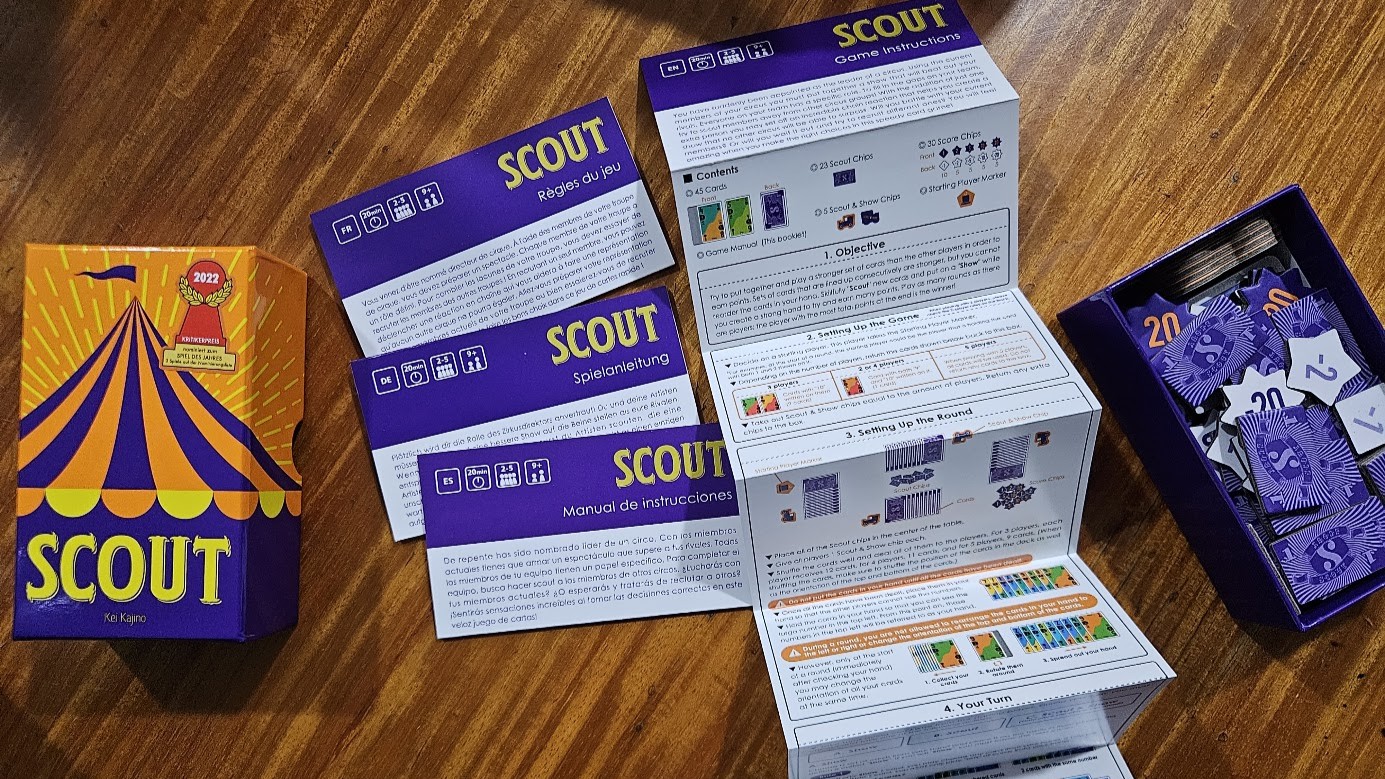
That brings us to the practical consideration - how do people who teach these board games to their gaming groups handle these non-exhaustive tiny game manuals?
Some pre-work is definitely needed in this case. Check YouTube and other streaming platforms for existing tutorial videos that may do a better job of explaining things. Plus, they often include insights into tricky parts of the rules that the manual didn’t spell out. Watching a few such videos before game night (or even before reading the manual) can go a long way.
Then there’s the practical value in playing the game on your own - even if the game doesn’t have an official solo mode. This is less about diving into the game experience, but about gaining practical knowledge about how the different elements of the game interact without the pressure of a full table as an audience.