Tabletop
Which Dune Board Game Should You Buy?
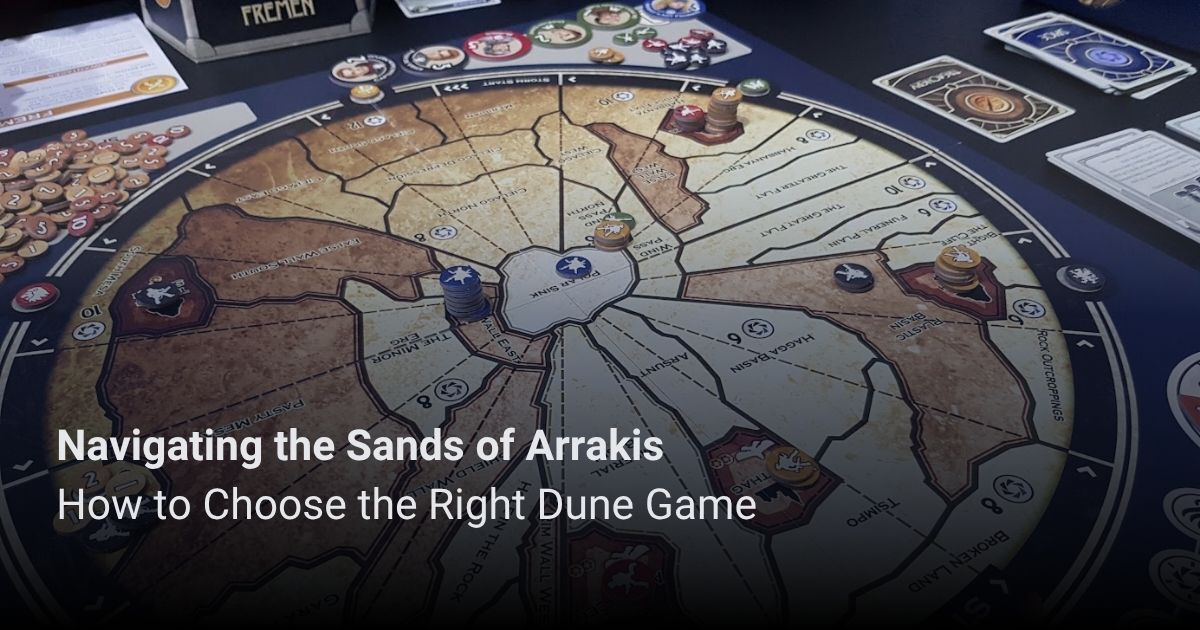
Navigating the standard Dune war game, the Imperium strategy hybrid, and the new Uprising standalone can feel as treacherous as the deep desert. We break down every major Dune box and tell you exactly which one belongs on your table.
Dune is a franchise that will always be near and dear to my heart. I was intrigued by the story behind the Dune II computer game, and that got me to read the books during my grade school years. But it’s a pretty heavy bit of science fiction, and tabletop adaptations were somewhat few and far between until the 2021 Denis Villeneuve movie adaptation, which is a lot more accessible than any of the previous adaptations had managed. And now there are enough Dune games for me to be able to write a little buyer’s guide for Dune board games. We live in wonderfully geeky times.
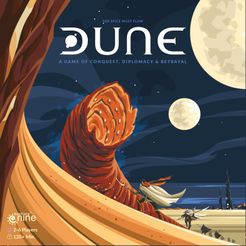
For the longest time, this older Dune board game was a game people talked about as a grail find and not much else beyond how crazy it was. So when Gale Force Nine announced that they’d revive the game, I was quite interested in giving it a shot and sort of went all-in for the game. And when we did get a copy, we were daunted by the game's wargame scope and the significantly different asymmetric powers. I’m not the biggest fan of area control games, but I love Dune enough to own this game even if it’s hard to get to the table because of its learning curve.
The GF9 version introduces a basic mode of the game that simplifies things a bit. But you can’t really say you’ve played this game in full until you try the advanced mode, which is essentially the original ruleset. This means that someone can win the game on turn 2 if people aren’t paying attention, just to stress how this game is not for the faint of heart.
As of the time of this writing, the game has 3 expansions that each introduce 2 more factions to the game. This is great for more player variety, or if you’re a book fan and you totally want to play as the likes of House Richese from the supplementary material. I’m a completist who has steadily acquired the expansion over the years, but it’s hard enough to get the base game to the table without introducing even crazy faction abilities.
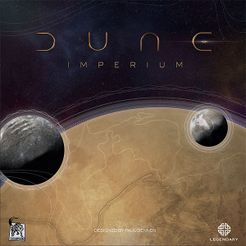
This game came out around the time the Villeneuve was originally supposed to come out, but COVID delayed that release a bit. It was a bit of a sleeper hit that didn’t get immediate notice, but really blew up once people actually got to play the game. It’s one of my favorite board games, period, even with the movie-aligned art. I will always recommend this game even to non-Dune fans because it’s that solid of an experience.
The first official expansion for this game brought in a lot of great elements. I feel the trading mechanic and technologies had a great impact on the game. Dreadnaughts are cool, but not absolutely essential. But the way it changed the board actions really made the game sing. Also, get the Deluxe Upgrade Pack, as it makes a BIG different for your tabletop aesthetics.
Ix felt almost elegant in how to tweaked the board a bit and added just a bit more complexity to the game. Immortality goes a lot further with a new Tleilaxufaction with its own board (yet not an influence situation), and a whole other deck of cards to recruit from, provided you have sufficient genetic samples. It’s a lot to take in and not everyone is ready for this.
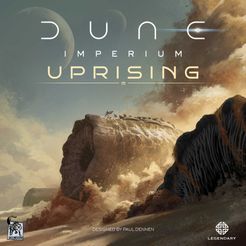
At first, I could not understand why we were getting a standalone Dune: Imperium expansion instead of just another expansion for the existing game. But things made a lot more sense once we got our copy of Dune: Imperium - Uprising, with its greater alignment with Dune: Part Two (2024) and even more balancing tweaks to the game.
As a standalone base game, Uprising still works with expansions for the base game, interestingly enough. And you can see everyone has to lean into Rise of IX in terms of design when they do something like this. But combat feels somewhat different in this game with the risks of sandworms, plus where they distributed potential victory points, just to keep things interesting.
The Bloodlines expansions adds another element to combat - Sardarukar Commanders that pretty much anyone can hire for the right price. It’s a nice new mechanic that gives something to consider even when you have sandworms to send against your opponents. Still more nice-to-have than essential. There’s a new Conspiracy expansion coming up, so I’ll try to update this piece once I have more information.
There are a few more Dune games out there that are either harder to get or we just haven’t had a chance to play, but I’ll still go over them quickly.
Using Portal Games’s Detective game system, House Secrets is a highly narrative deduction game of sorts that has players interacting with Dune on the fringes of the events of the movie. It’s not a bad game, but I also don’t think it’s the best Dune story experience. It’s out of print now, so you’ll have to stick to the secondary market for this game.
A smaller social deduction game that has more in common with the likes of Avalon or The Resistance. We own this but haven’t played it as it needs a minimum of 4 players, which says a lot about what sort of game it is.
Another asymmetricDune war game, we didn’t jump on this game as we still feel the GF9 game scratches that itch for us, even without all the minis War for Arrakis come with. But this is a dice rolling war game, which doesn’t feel quite aligned with our more strategic play preference.
Yes, this is the summary for those who skipped ahead to the end: