Tabletop
The Industrial Dividend
Finding the profit (and the friction) in the shift from private engines to shared boards.
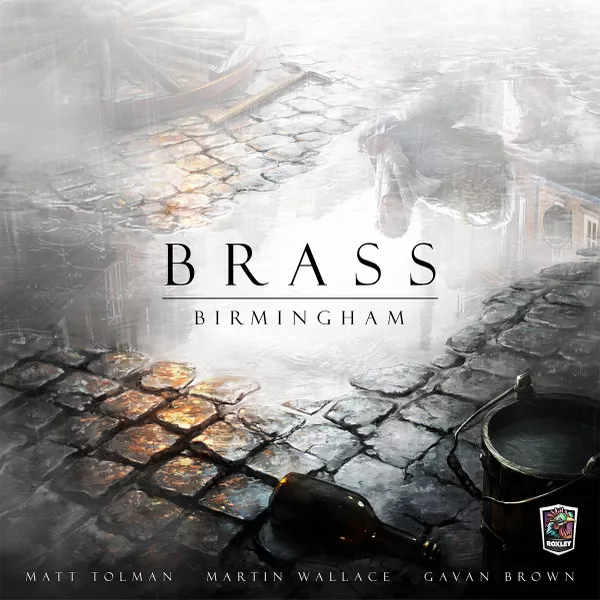
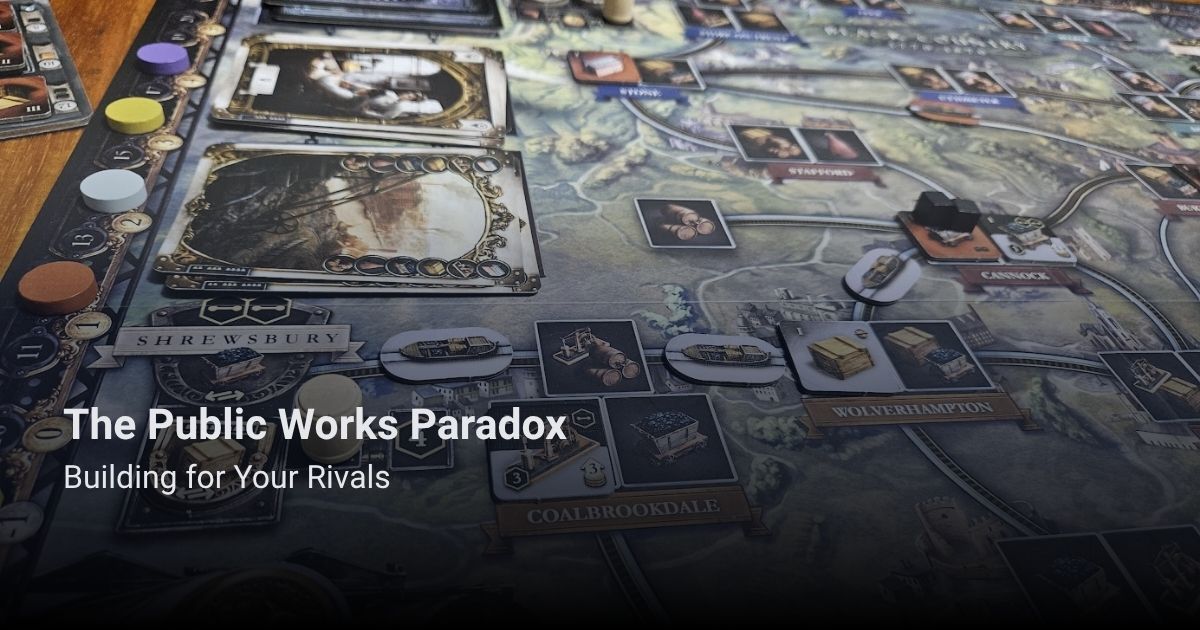
The Gamefound campaign for Brass: Pittsburgh launched on 24 March 2026 and was funded within 45 minutes. But what else would you expect from the follow-up to Brass Birmingham, which is still BoardGameGeek’s #1 game (as of the time of this blog post)? And while we do enjoy Brass, I’m not sure we love it as much as the majority of BGG users do. It’s proving to be a little difficult to get to the table as a lot of our players enjoy the classic private engine experience and are still warming up to the shared action space.
But that’s also one of the defining elements of Brass that helps to set it apart. Moving from the private engine-building exercise to this shared resources model is quite the pivot, and it pushes players into an interesting decision space. Today’s article is all about exploring this shift in game design based on the games that we’ve played so far.
Earlier economic/industrial board games focused on players creating efficient resource engines as private tableaus. There’s a need to be super efficient and a drive to out-produce your rivals.
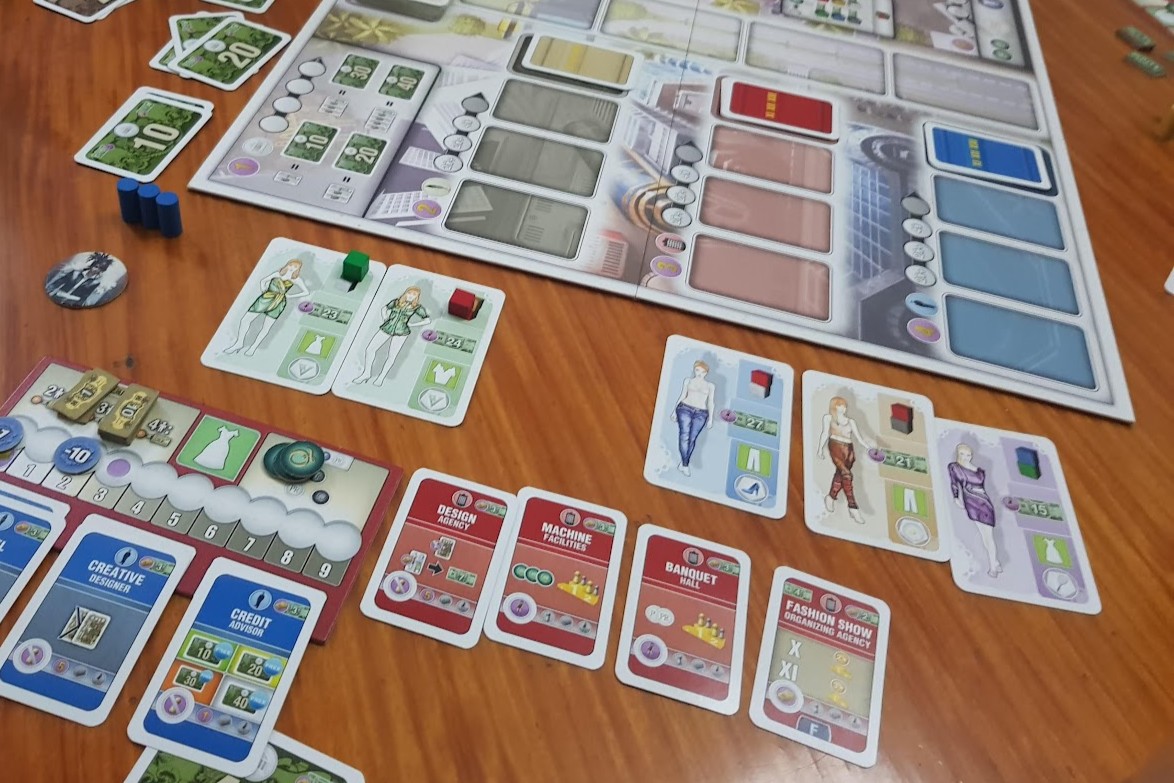
Another classic game, this time from Ignacy Trzewiczek. It’s easy to dismiss the game because of its fashion theme, but it’s actually a very realistic business simulation game that has you focused on the industrialization of fashion and the efficient production of garments to feature at fashion shows. This is one of the few games that has me pulling out a calculator, given the need to manage your expenses in order to get all the way to the fashion show at the end of every quarter, which is the only way to earn money for future production.
This Lacerda classic is as industrial as games can get. While you work in a single automobile factory, the fact that this is a worker placement game means that you’re in a tight race with other players to get your cars out there with the right upgraded parts in order to get the most points. There is no direct player interaction in the game, but every decision is so tight that you can’t escape the highly competitive feel of the game. Sure, upgrading parts can make things theoretically better for all players, but only if they invest in the same parts and the same style of car. And if all that wasn’t a tight enough decision space, then you have Sandra walking around the factory, evaluating everyone’s performance. Everyone remembers Sandra.
What’s more industrial than stressing that it’s not just about creating efficient engines that work independently of others, but instead focuses on the need for physical infrastructure, networked connections, and a general interoperability in order to get what you need. This is where the Industrial Dividend is earned, so to speak, and what drives these games forward.
It’s a little jarring how you can put a lot of work into getting your first mine on the board, only to have the next player immediately consume the resources you generated to advantage their agenda. And that’s the core loop of this game experience - you make resources available, but they’re not yours. As long as they’re networked, other players can use your resources, and this drives the Brass puzzle across two distinct eras - canals and rails. It’s not an easy game to get into, and every time we bring it to the table, players barely get over the era change and how it practically resets the board and forces everyone to start again. But that’s industrialization for you.
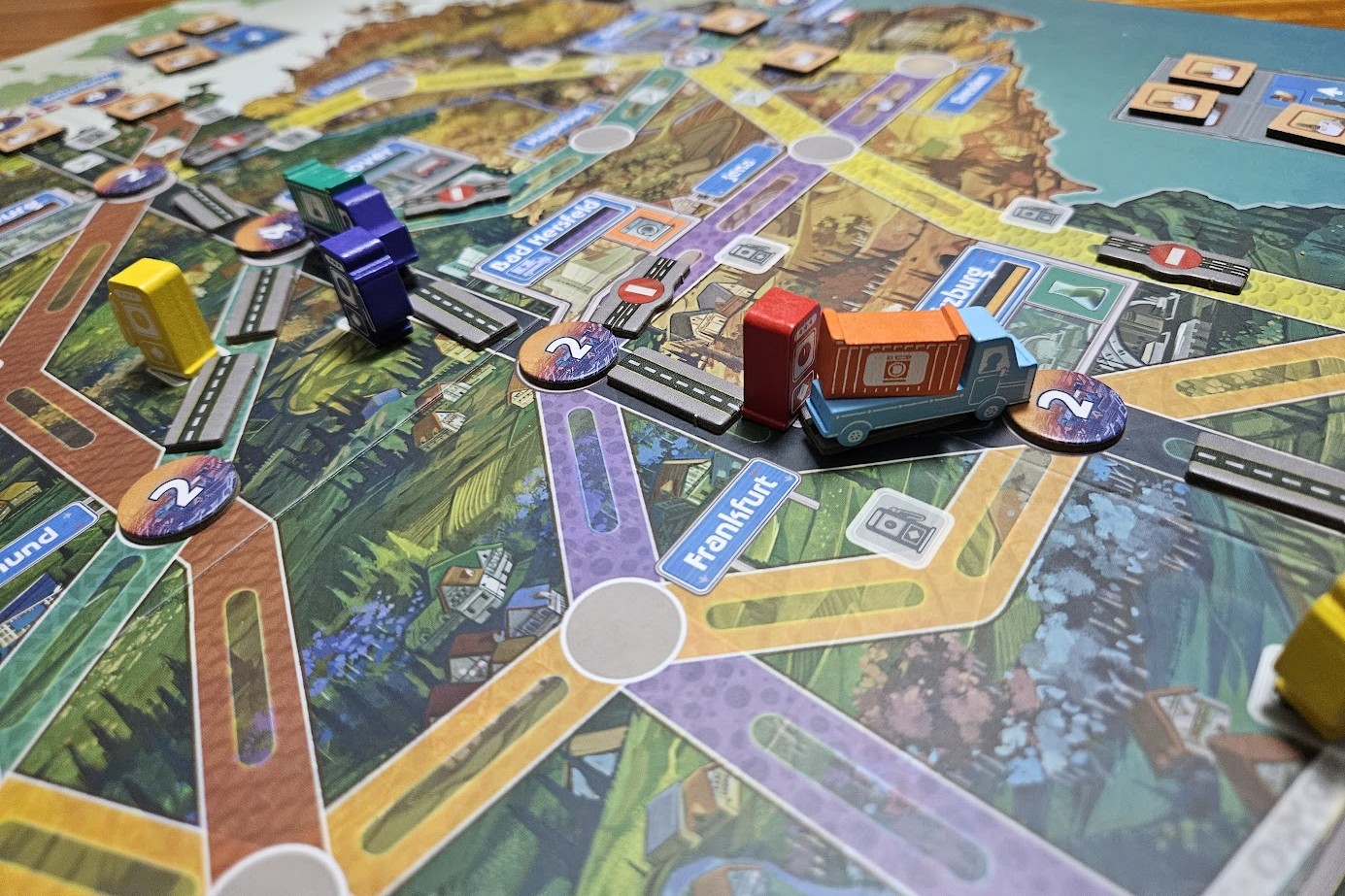
This game is literally about building the shared German roadway known as the Autobahn, so again, you’re not building paths that only benefit you, like in Ticket to Ride. But it’s not just building roads alone and scoring based on those roads, but the need to connect key paths for points, getting more points for nodes with more connections, and ultimately delivering goods across the Autobahn to where they need to be. That’s what will score you even more points by the end, provided you manage to connect all the exit points that you need for your trucks. This game has its own era pivot that unlocks the eastern side of the board, which is both historically rich and strategically challenging.
Other games have a truly shared economy or game mechanics that drive players to work more closely together, whether they like it or not.
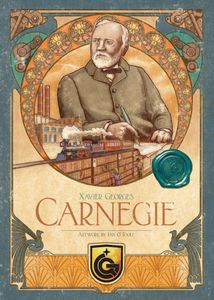
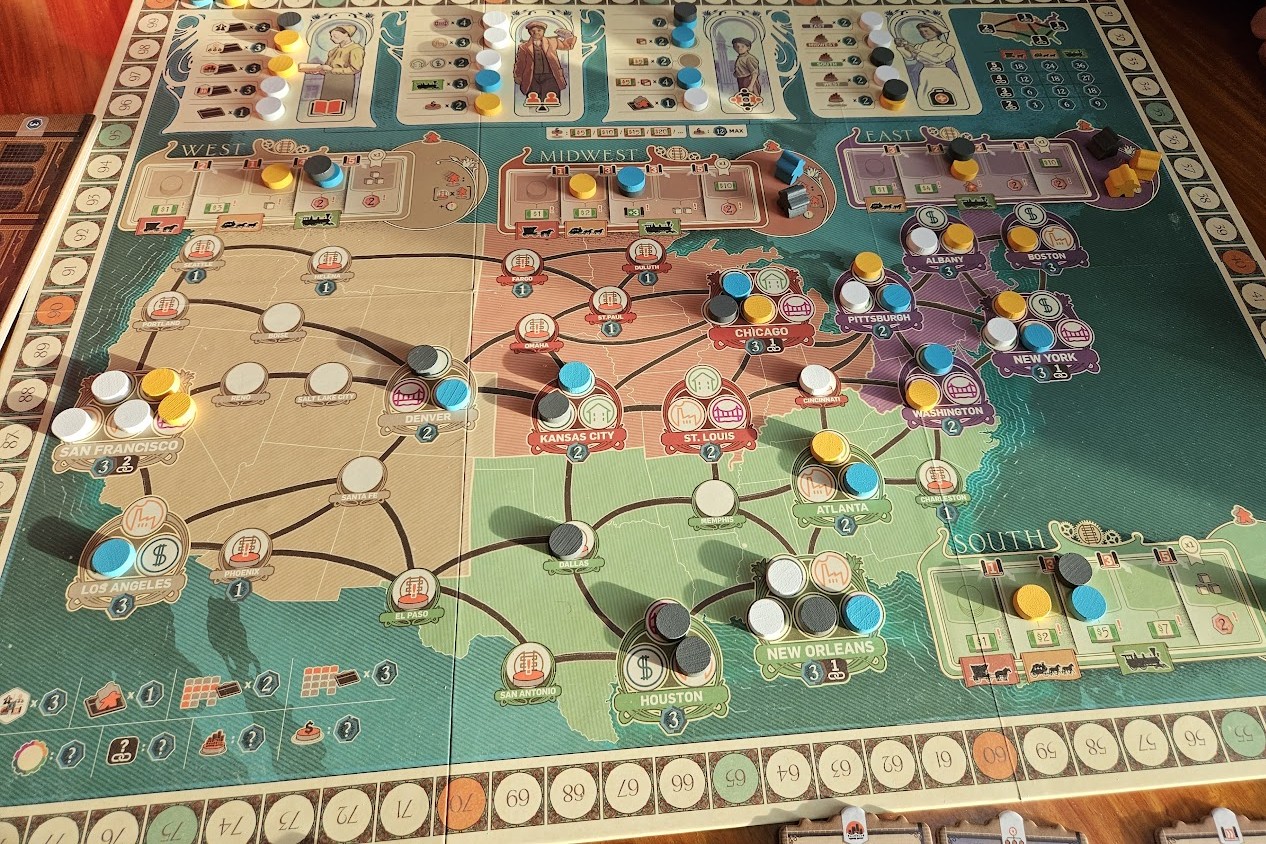
It’s appropriate enough that the first game I’m highlighting about games with a more shared economy is one based on industrialist and philanthropist Andrew Carnegie. While the networking across the map isn’t an entirely shared experience, the main action selection mechanic that has all players following the action selection by the lead/active player really has players needing to watch one another carefully and work within the constraints of what choices are there. In the times that we’ve played this game, players are constantly trying to figure out which region is more likely to score next and making sure they’re in position to benefit from the decisions of others. But that’s really made a lot harder by the fact that for most turns, you’re just following the leader.
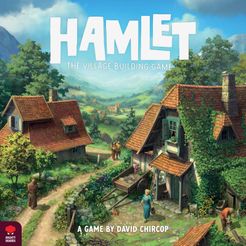
This game is the true communal machine, with all resources being communal and shared production spaces that anyone can use as long as they can reach them. Even the endgame trigger is a shared one - completing the church at the center of everything is what leads to the community becoming a full-fledged town. The base game results in crazy little donkey-chains all across the map as players work to get resources to where they want them. The Hamlet by the Lake expansion shifts the tile-placement efforts to avoid isolated chains and force things back together, since players want to enclose gaps to be filled in as lakes. The theme makes it sound like a charming game of village life, but actual experience involves players repeatedly lamenting how the player/s before them keep using the resources they produced and hoped to utilize on their next turn.
In Tier 1 games, the focus is on the machine as an individual. Things then shift to the machine being more of a network - a part of a greater whole. And finally, we have games that focus on the machine as more of a community. We’ll continue to see games that fit in any of these categories, but it is interesting how there’s a greater focus on making players work in a shared state of play. Maybe that’s part of what’s keeping Brass: Pittsburgh as the talk of the town - or at least the Hotness of BGG. It’s a game that leans into stressing the importance of the Industrial Dividend despite the inherent “costs” of shared resource networks. Games like this push players to go beyond the safety of private engine crafting and instead embrace the more chaotic realm of shared infrastructure games. And there is an undeniable satisfaction when you move past the friction and make your interconnected machine truly work. Just remember that in a world of shared resources and public networks, your neighbor’s success is often the fuel for your own. And maybe that’s a larger life lesson woven into these types of games.