The Cost of Slightly Different Board Games

Passing on new releases from designers we love isn’t easy, but learning to spot mechanical redundancy is the only way to keep a massive tabletop collection intentional, playable, and manageable.
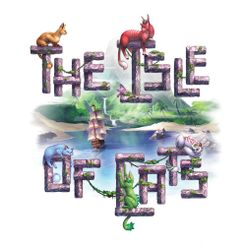
This week marked the end of the Kickstarter campaign for Isle of Penguins, a project I opted not to back. I had gone all-in for Isle of Cats many years ago, and the game has been a good amount of fun. I also signed up for its spinoffs, Isle of Cats: Explore and Draw along wth Race to the Raft, and they’re rather distinct and very enjoyable games in their own right. This new penguins version is mainly inspired by the original game, but many early reviews have described it as feeling like a refined version of that earlier game. The question that plagued me throughout the campaign period was whether or not the game was significantly different from the original inspiration to merit owning it. Did I need yet another Frank West game about rescuing animals? At the same time, I nearly skipped their past project, Emberleaf, which turned out to be a phenomenal game that is probably one of the best things he’s created.
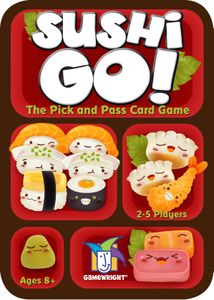
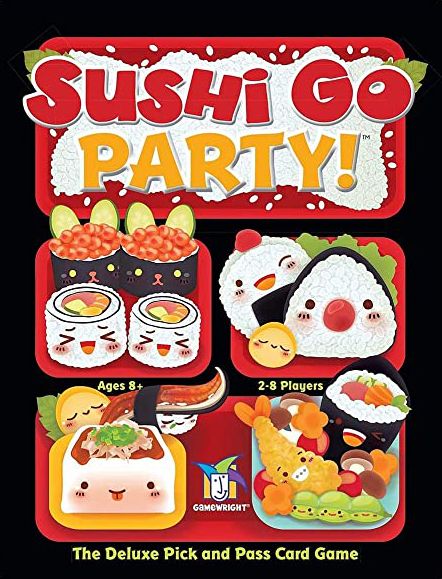
This came at a time when I was also reflecting on various Gen Con board game announcements, like the new Sushi Go Party Chef’s Special, which is a standalone expansion of Sushi Go Party. At first, I was instinctively upset that they had done another version of this game since we had gone through a lengthy journey to get to this point. Shortly after we had picked up the very first Sushi Go!, we found out another version had been released with new soy sauce cards exclusive to that edition. There was no immediate way to get the soy sauce mini-expansion, so we ended up getting the new version and gifting our older edition to a friend. Did it make sense to buy the game again for a mini-expansion that was not being sold separately? I can’t really tell even in hindsight, but that’s what we did.

Then they announced Sushi Go Party!, which included all the cards from the previous versions of Sushi Go! along with new content. This marked the third time we bought this game, but I figured it would be the last time we would have to do this since Party was pretty robust and supported a larger player count than the original game. We had even skipped the 10th anniversary edition of the game because the upgrades were largely cosmetic, and it was still the base game and not the Party version with its larger player count. At least this new Chef’s Special promises some elements from the collector’s edition and a storage solution for both the original Party game and all the new stuff.
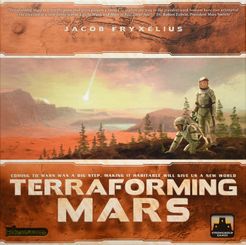
There’s a related “category” of games that I end up puzzling over - slightly lighter versions of existing heavy games. The first time I seriously remember dealing with this challenge is when the Kickstarter for Terraforming Mars: Ares Expedition. The project was advertised as a card game version of Terraforming Mars…which, in itself, had a heck of a lot of cards. We’re pretty happy with the original TM (despite the often questionable art) and didn’t feel the need to get a slightly streamlined and slightly simpler version of the game. Some time after the game released, I did get to try it out, and it was…fine? It’s still mostly Terraforming Mars with some rather specific changes.

The other game that turned out to be similar is Bot Factory, which is a re-implementation and re-theming of Kanban EV. I nearly got it since I was in a major Vital Lacerda game-buying spree at the time and nearly grabbed Bot Factory on instinct. It's the same situation with Mercado de Lisboa, which is a simpler reimplementation of Lisboa. And while I’m sure they’re not bad games, we dive into Vital Lacerda games precisely because of their complexity. So we’re not quite the target market for games like these.
So what’s the big fuss here? Am I just being weird?
It’s often said that collecting board games, like books, is different from actually playing those games. And our collection now consists of over 1,700 titles (including expansions and promos) and I’m trying to being a lot more thoughtful about what games to add. Our home is probably more board games than actual house at this point, and we can’t possibly play all of these games effectively with our shared lifetimes. Plus the costs.
But I’ll concede, I’m a bit (haha) of a completionist, and I fall into the trap of wanting to support most releases by particular designers or released by specific publishers. But with the sheer number of board game creators out there, it’s not financially viable. We’re not yet at the point of being able to cull our collection to any significant degree (oh the horror), so all I can do is slow the influx of games a bit.
So now I’m considering if the game is novel enough to fulfull a new role in our collection. And while I still want to support designers and publishers that we love, I also don’t want to feel like I bought the same game twice. I’m still good with novel transformations (like roll and write adaptations but not so much with minor tweaks to the game mechanics (e.g. Dinosaur Island vs Dinosaur World).
How do you determine which games become part of your collection?