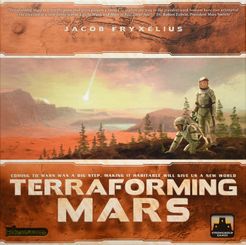
Terraforming Mars
Official Description:
In Terraforming Mars, players take on the roles of competing corporations working together to terraform the planet Mars by raising the temperature, creating ocean areas, and increasing the oxygen level until the environment is habitable. Each corporation buys unique project cards that represent technological advancements, infrastructure, or resource developments, and uses them to contribute to the terraforming process while also advancing their own interests.
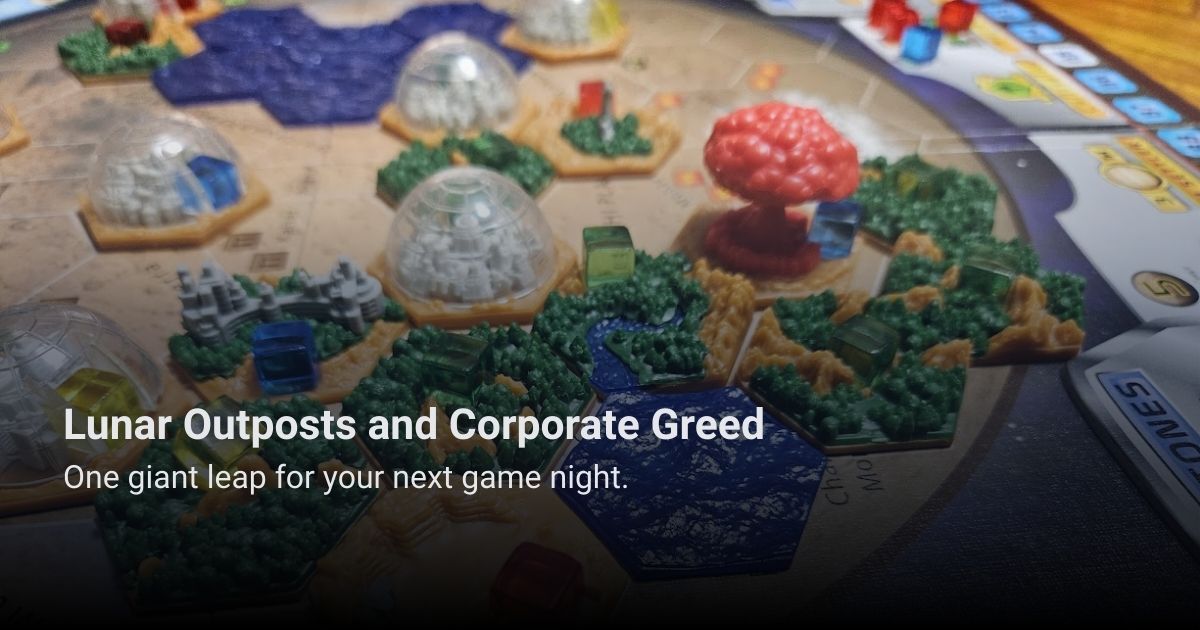
Players manage resources, develop new technologies, and strategically place tiles on the board to represent forests, cities, and oceans. The game is driven by engine-building mechanics, where players improve their production capabilities and unlock new actions as the game progresses. Victory points are earned for contributing to the terraforming process, achieving milestones, and completing awards, as well as for building cities and greenery.
The game ends when Mars has been fully terraformed, and the player with the most victory points is declared the winner. Terraforming Mars combines resource management, strategic planning, and competition, offering a rich and immersive experience that challenges players to balance cooperation and rivalry in the race to make Mars a new home for humanity.
Terraforming Mars stands as a modern engine-building benchmark, rooted in the Euro-strategy tradition but amplified by a sprawling deck of over 200 unique project cards. The hand-management puzzle is relentless—every turn demands a sharp audit of your resource flow and timing, with the income phase acting as the system’s primary choke point. Miss a beat here, and your engine sputters. The sci-fi theme isn’t just window dressing; it’s woven into every card and milestone, ensuring that each session feels distinct as corporations carve out divergent paths to victory. Its high operational reliability is why it remains a regular fixture on curated tables: the game’s strategic dividend and replayability keep it in steady rotation, even among collections that have weathered years of shelf competition.
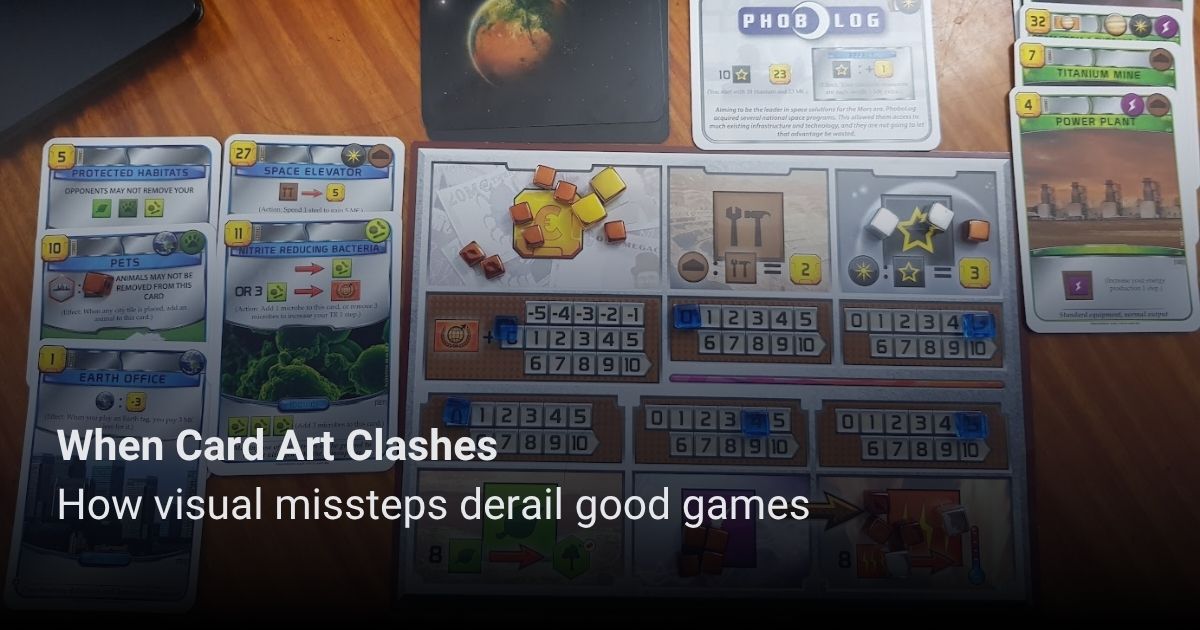
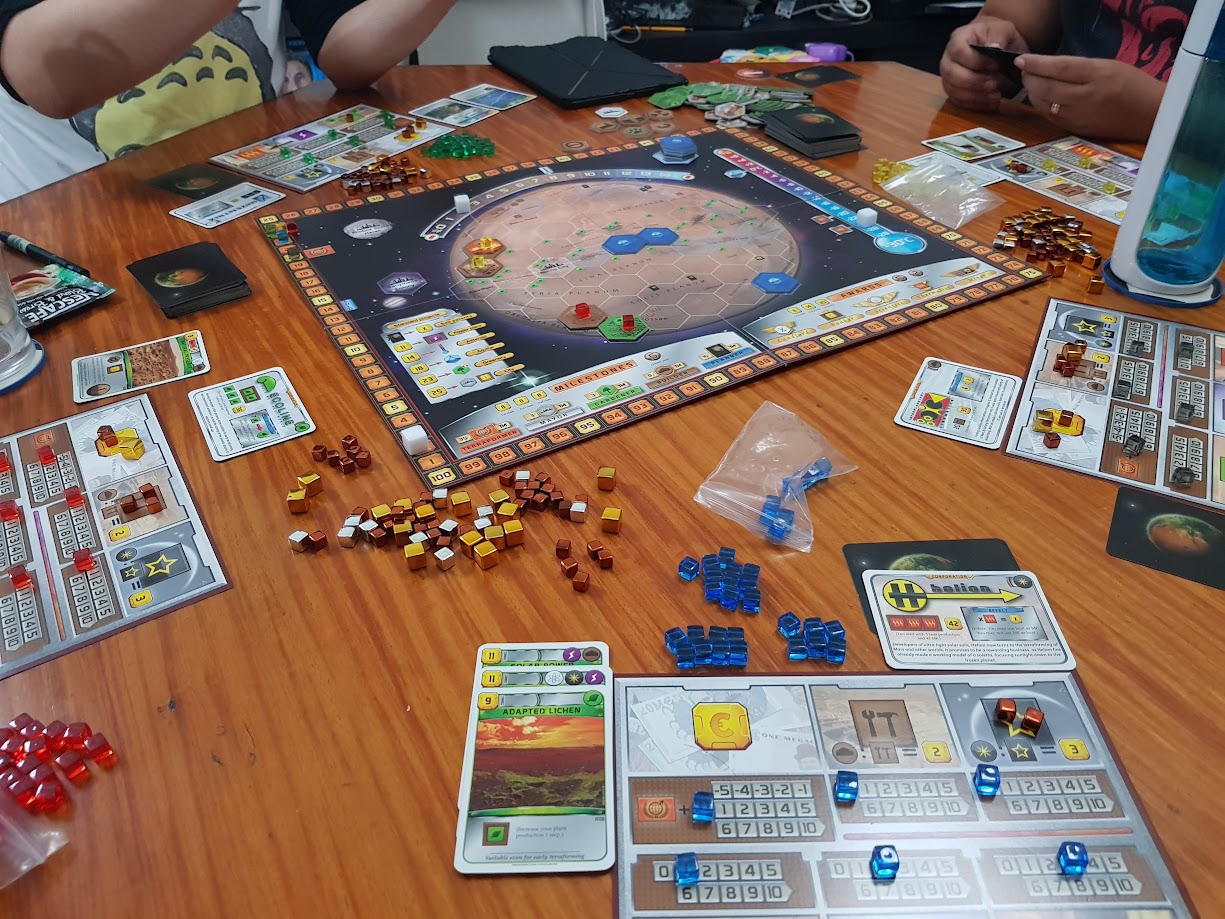
Physically, Terraforming Mars is a main event title—expect a 15-minute setup and a full two-hour session. The base components are notorious for their slickness; cards and player mats have a tendency to slide at the slightest nudge, which can disrupt the flow if left unchecked. For hosts managing multiple tables or larger groups, dual-layered boards or the Big Box upgrade aren’t just nice-to-haves—they’re essential for maintaining order and sanity. This is not a filler or a warm-up; it’s the anchor of a dedicated game night, demanding both table space and sustained attention from all players.
From a teaching perspective, this is a technical system that rewards a methodical approach. The ruleset is dense enough that a veteran lead is recommended, especially to guide new players through the nuances of the income phase and the cyclical nature of engine growth. The game’s competitive structure keeps the room focused, with indirect interaction and blocking moves fueling a steady undercurrent of tension. Players walk away with a tangible skill dividend: sharper resource forecasting, improved sequencing, and a keener sense for spatial optimization as they jockey for board position. Once the core cycles are internalized, the system allows for some autonomy, but the first play is best treated as a guided tutorial to prevent early missteps from snowballing.
Category
Tactical & Strategy
My score
10
Our Total Plays
65
Last PLayed
06 Dec 25
🔥 In Rotation
Player Count
1-5
Playtime
120 mins
Proficiency Perks
Strategic Planning
Systems & Logic
Spatial Reasoning
👑 PREMIUM
Play on BGA
Check Amazon
As an Amazon Associate, I earn from qualifying purchases.
← ALL BOARD GAMe REVIEWS