Tabletop
Form Over Function
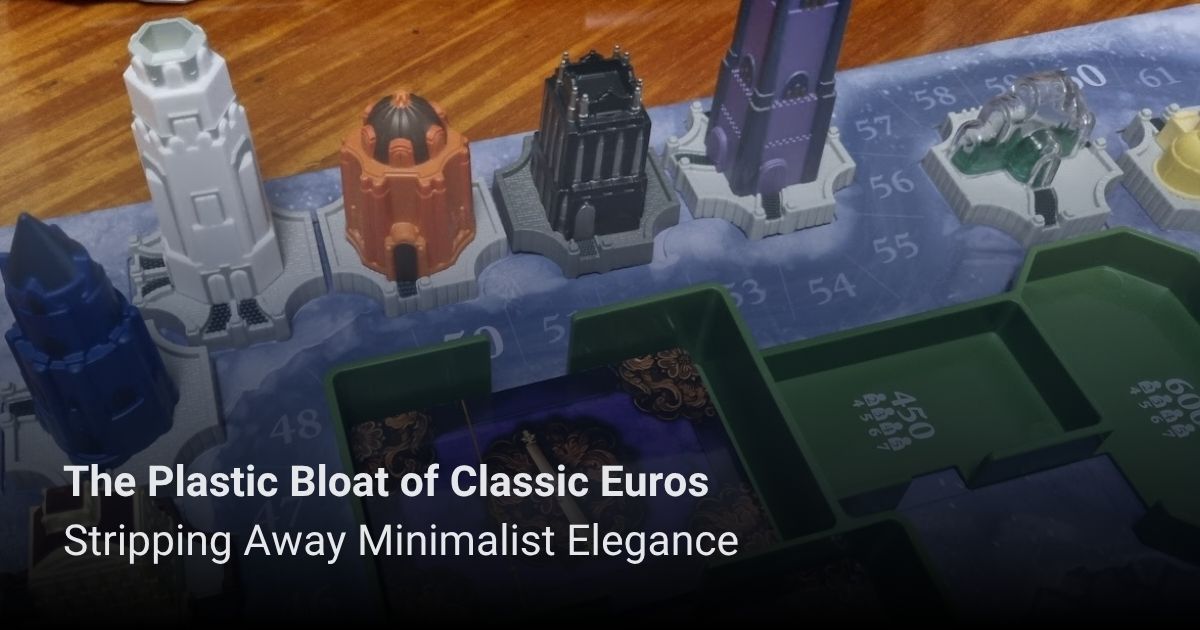
As crowdfunding campaigns continue to swap out elegant wooden components for towering plastic miniatures, we have to ask if our favorite classic Euro games are being preserved or just bloated.
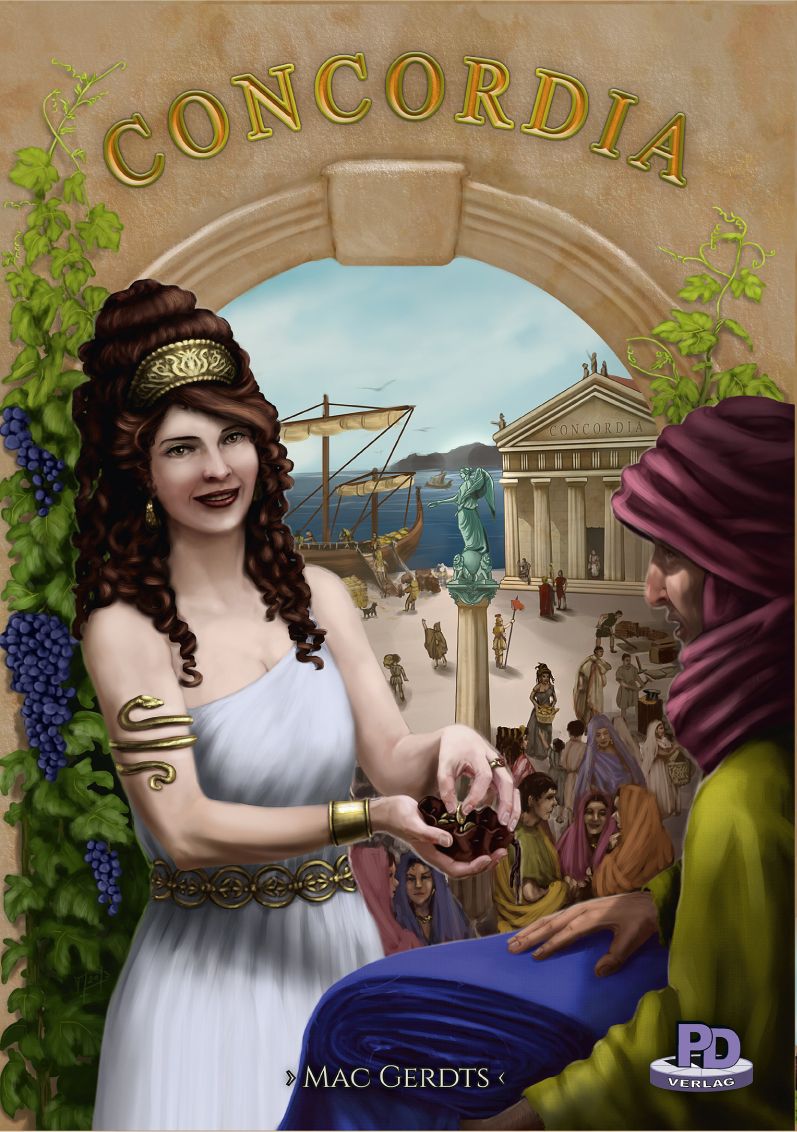
I can’t seem to avoid social media ads for the upcoming crowdfunding campaign for a special edition of Concordia, a much-beloved Euro game. The ads have been showcasing different aspects of the special edition, and it’s quite a LOT to take in. Sure, there’s a serious effort by Awaken Realms to make every aspect of the game seem prettier, but it also seems to take away from the original elegance of the game by adding so much more.
We’ve seen many crowdfunding projects like this, and not just from this one publisher. Many board game efforts that go this route often push for many different add-ons, typically of the plastic miniature variety. Thus we see projects with retail editions, deluxe editions, and all-in editions that bundle all the different add-ons at once. Whether it’s a new IP or a classic game, do board games really need this full treatment?
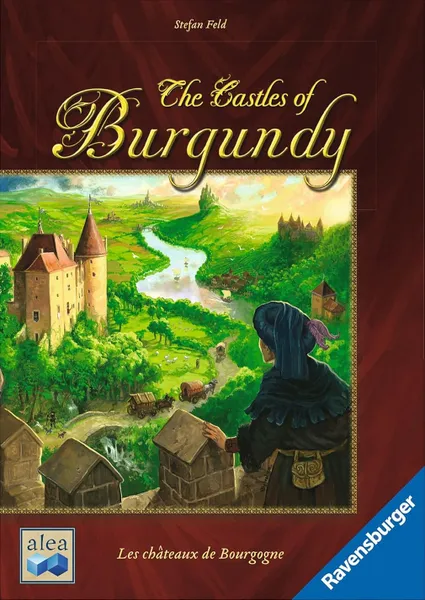
Awaken Realms really does seem to enjoy taking big board games to crowdfunding. And each campaign seems to push the games to become even bigger by the end of the effort. Apart from their original games, they’ve been making a series push to release new special editions of different classic Euro games, starting with The Castles of Burgundy (2023), followed by Puerto Rico (2025), Agricola (2026), and now Concordia (2027). My partner and I haven’t opted to back any of these projects, but we do have friends and family who have at least gotten their copies of Castles of Burgundy and Puerto Rico.
There’s no denying that these special editions seem to look better in terms of components. Simple wooden cubes or tokens get replaced with detailed plastic miniatures that have more of a visual impact when viewed at the table. Abstract versions of houses get the full deluxe treatment as actual plastic buildings that tower over other pieces. The list goes on and on. But these games are all rather efficient Euro-games whose core gameplay experience is about the strategy and players making the most of each move.
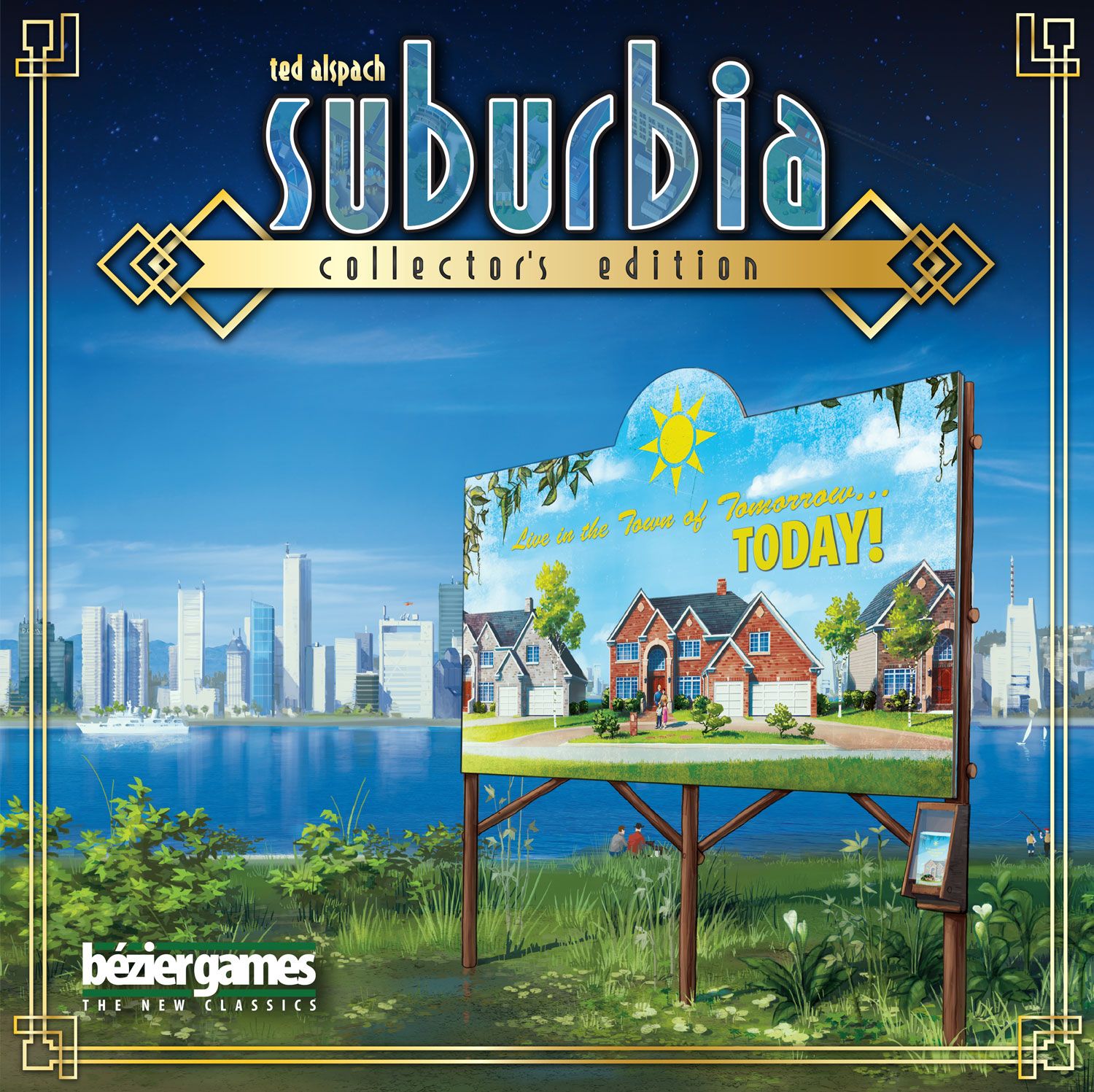
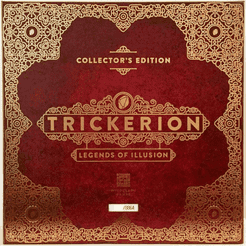
This is not to say all efforts to dress up games in deluxe or collector’s editions feel as superfluous. I think Tokaido Collector’s Edition stands as a good early example of bringing all Tokaido content together in one box, adding modest upgrades in terms of the new minis, but that was it. The team exercises a fair degree of restraint in deciding what went into the box. Suburbia Collector’s Edition overhauled all tile designs to make them more aesthetic, even if they feel a bit less functional than the originals, but the team ultimately designed things in a way to make getting the game to the table somewhat faster. Trickerion Collector’s Edition is a great balance of upgraded components like metal coins but largely keeping the core game elements almost the same as the original release, with the benefit of a new storage solution that also tries to speed up setup.
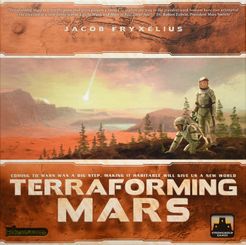
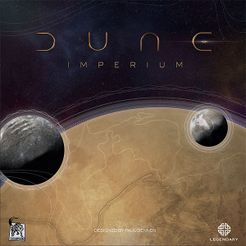
Then there are efforts that try to address storage first but incidentally upgrade components. The Terraforming Mars Big Box was a much-needed upgrade for the rather bare-bones design of the base game, with new plastic tiles for cities, greenery, and all the other fun bits. But the new tiles didn’t go overboard in terms of design and still sit fairly close to the board (table?) with minimal impact on visibility. Dune: Imperium also offered a separate Deluxe Upgrade Pack that provided an efficient storage solution for all expansions released at that point, but also included new plastic miniatures to replace workers and army cubes. They look quite good, but don’t overly hamper one’s ability to visually understand what’s going on in the game.
On the opposite side of the spectrum, we have games like Batman: Gotham City Chronicles that went full tilt in terms of miniatures and became a Kickstarter exclusive as the core content became too expensive for a traditional retail release. This effort by Monolith Games remains as a poster child for when a crowdfunding effort goes too far and ends up with a game that can’t feasibly hit store shelves.
Going back to all these special editions by Awaken Realms, I’m sure there’s a market for them. They keep acquiring the rights for more games to give this super-deluxe treatment, and people keep backing these efforts. But at the same time, I look at the final products, and I can’t help but feel weird about it. Is this a case of form over function? Maybe I’m acting like a hipster purist who wants his Burgundy tiles to stay flat and not get in the way of things.
In the end, I feel that these particular special editions might be going a bit too far. They won’t replace the demand for the original games for sure. They’ll remain rather niche collectibles for a particular subset of fans of the originals, but may not become the most accessible for newer players. And releases like this end up reinforcing some of the worst aspects of crowdfunded board games, like how you end up getting obligated to get an expansion for a brand-new game you’ve never played before since it’s in the seemingly good all-in bundle.
These games don’t just act as examples of the sort of “Kickstarter bloat” we see for many projects. They represent a business plan focused on more, more, more, instead of keeping things focused on the core game experience.