Tabletop
Making Shorter Game Nights Count

When you don't have the luxury of an all-night tabletop marathon, a handful of specific publishers can save the evening with punchy, satisfying mid-weight experiences that don't skimp on depth.
Our typical board game nights last anywhere between 8 and 12 hours. Our typical groups like to play a fair variety of games of varying levels of difficulty, so a lot of time is needed. And the really big games can take an hour to teach and then another 2 hours to actually play them. It wouldn't be simpler if we played the same games over and over, but we all have collections that we need to work through, and thus, there’s a need to rotate through titles.
But there are those instances when we don’t get to stay for the full session, like when we have other obligations on the same day. And it’s during those instances that we need to consider how to make the most of the limited time that we have. The same applies to players who have even less time to game, and yet we still want them to experience more than one game when they play with us.
What I’ve found is that there are certain publishers who kind of excel with lighter and mid-weight games that really rack up slots in a game night. And I’m not just talking about the games being short but still being decently challenging and fulfilling despite time constraints. You can still have meaningful gaming sessions without limiting yourselves solely to less complex gateway games.
So let’s explore a bit together, shall we? And instead of looking at individual games, here are a few publishers and design teams that are worth considering for shorter game nights.
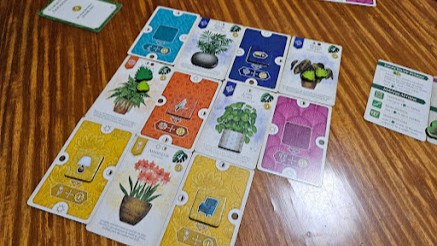
I have become a big fan of Flatout Games in recent years because of the particular design space a lot of their games occupy and the sheer regularity of new releases every year. Their most popular game is probably Cascadia, which is still one of their best releases. The game has a solid expansion and a few interesting spin-offs, so it continues to delight. And among other Flatout releases that involve a draw bag, Verdant also stands out as a clever tableau builder with a houseplant theme. It’s a really good game, and more people need to play it. In recent years, they’ve also started to release smaller box games like Propolis that still provide a decent amount of strategic depth. These small games are a bit more card-driven, which may not be quite as fulfilling for those addicted to drawing things from bags.

As much as we love small box game company Oink, the nature of the games in their library can swing quite wildly. Saashi & Saashi, on the other hand, operates in a relatively tighter scope of games that still manage solid experiences. And while we started with somewhat middle-of-the-road releases like In Front of the Elevators, I think they had a lot more success with the very compact Bus & Stop, which I absolutely love, and somewhat larger experiences like Shall We Dance. Throw in the consistency of their art style, and you’re guaranteed a very pleasant experience that works with a wide range of players. Oh, and we can’t forget the more complicated Come Sail Away! that pushes the limits of the game space they operate in.
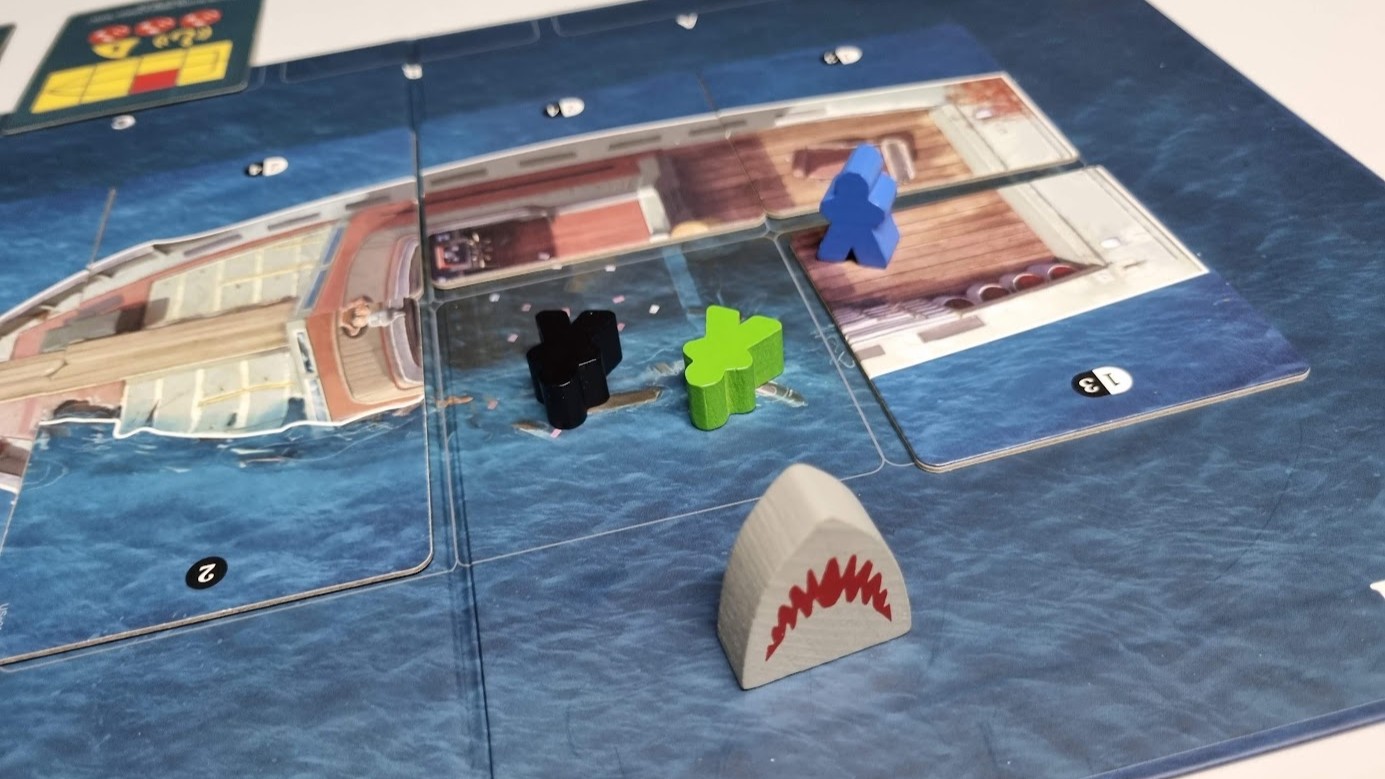
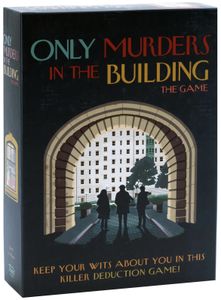
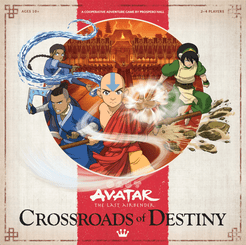
I’ve been singing my praises of the various official board games of different IPs developed by the Prospero Hall team for different publishers. It would be a lot easier to make super simple games, slap on the characters from the source material, and then call it a day. But I feel that Prospero Hall’s IP-related releases all make sure to really use different elements from the source material and create a predominantly family-friendly board game experience. A lot of our favorite IP games tend to be the creations of this team. We’re talking about brilliant games like the hidden movement Jaws board game or the relatively more recent Avatar: Crossroads of Destiny game. And I absolutely love the Only Murders in the Building Board game - it works as a deduction game even for people not familiar with the show. And the fact that they work with different publishers around the world means you’re not even limited by one company - they just keep doing the good work of bringing various TV shows and movies to life as board game experiences.
A lot of Asian board game publishers like Oink and Origame tend to play in this space, but I find a more significant portion of their game line-up tends to trend to the simpler side, so I didn’t quite know what to highlight them here.
The other possible mention would be 25th Century Games - but primarily their roll-and-write lineup. Motor City is a brilliant pen-and-paper game that is totally in the same space as Kanban. But the true gem of their library is Three Sisters, which is without a doubt one of the best farming roll-and-write games we’ve ever played.