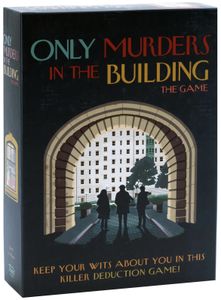
Only Murders in the Building: The Game
Official Description:
Only Murders in the Building: The Game invites players to become resident investigators in the iconic Arconia building, inspired by the hit television series. Players join Charles, Oliver, and Mabel as they work together to solve a heinous murder mystery that has shaken the Upper West Side. The game is designed as a cooperative experience, where participants must gather clues, analyze evidence, and collaborate to uncover the killer’s identity and motive.
Throughout the game, players will encounter twists and turns that challenge their deductive reasoning and teamwork. The gameplay emphasizes communication and strategic thinking, as players must share information and piece together the narrative from the clues they collect. Each session offers a unique mystery, ensuring replayability and engagement for fans of deduction games and the Only Murders in the Building series.
With its accessible rules and engaging theme, Only Murders in the Building: The Game is suitable for both newcomers and experienced gamers. The cooperative format encourages group interaction, making it an ideal choice for game nights and gatherings. Players are immersed in the world of the Arconia as they race against time to solve the case before the killer escapes justice.
Only Murders in the Building: The Game positions itself as a cooperative deduction system rooted in the narrative intrigue of its television namesake. The design leans into the investigative charm of the Arconia, with players piecing together clues and motives in a shared pursuit of justice. As a Prospero Hall release, it delivers a top-tier strategic dividend—sessions consistently yield high operational reliability, making it a fixture in regular rotation for groups that appreciate deduction and collaborative tension. The game’s replayable mysteries and evolving clue structure ensure it doesn’t gather dust, even among collections with deep bench strength. Its thematic fidelity and clever mystery mechanics make it a standout, regardless of whether players are fans of the show.
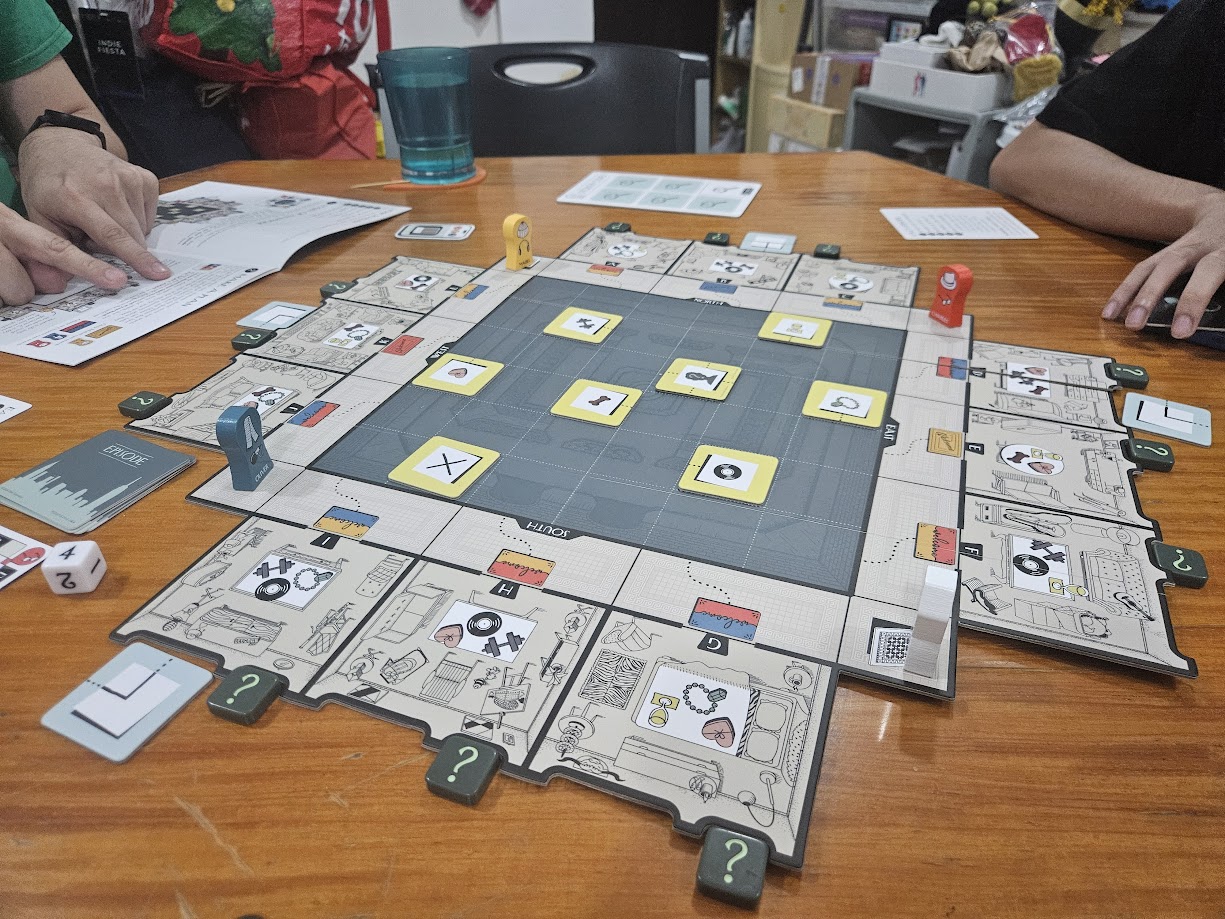
Physically, the game arrives in an oversized box, housing a unique cross-shaped board and premium components that demand a dedicated table footprint. Setup and teardown are straightforward but not instantaneous, aligning with a 15-minute prep window—this is a main event title, not a filler. The tactile presence and component quality justify the space, but hosts should plan for it to anchor the evening rather than slot between lighter fare. The 45-minute session time is accurate, and the game’s physical demands are balanced by the immersive experience it delivers.
From a teaching perspective, the system is procedural: expect a 20-minute rules brief and a few turns before the group finds its rhythm. The collaborative format means the facilitator can participate fully, as the game’s structure encourages open discussion and shared deduction. The core skill dividend is in group logic and communication—players must synthesize disparate clues and collectively build the case, sharpening their ability to parse information under time pressure. The high interaction level keeps the table engaged, with energy sustained by the constant need for input and consensus, making it a reliable choice for groups that thrive on teamwork and narrative immersion.
Category
Thematic & Narrative
My score
8
Our Total Plays
5
Last PLayed
21 Mar 26
🔥 In Rotation
Player Count
2-4
Playtime
45 mins
Proficiency Perks
Strategic Planning
Check Amazon
As an Amazon Associate, I earn from qualifying purchases.
← ALL BOARD GAMe REVIEWS