Tabletop
Localized, But Not Local
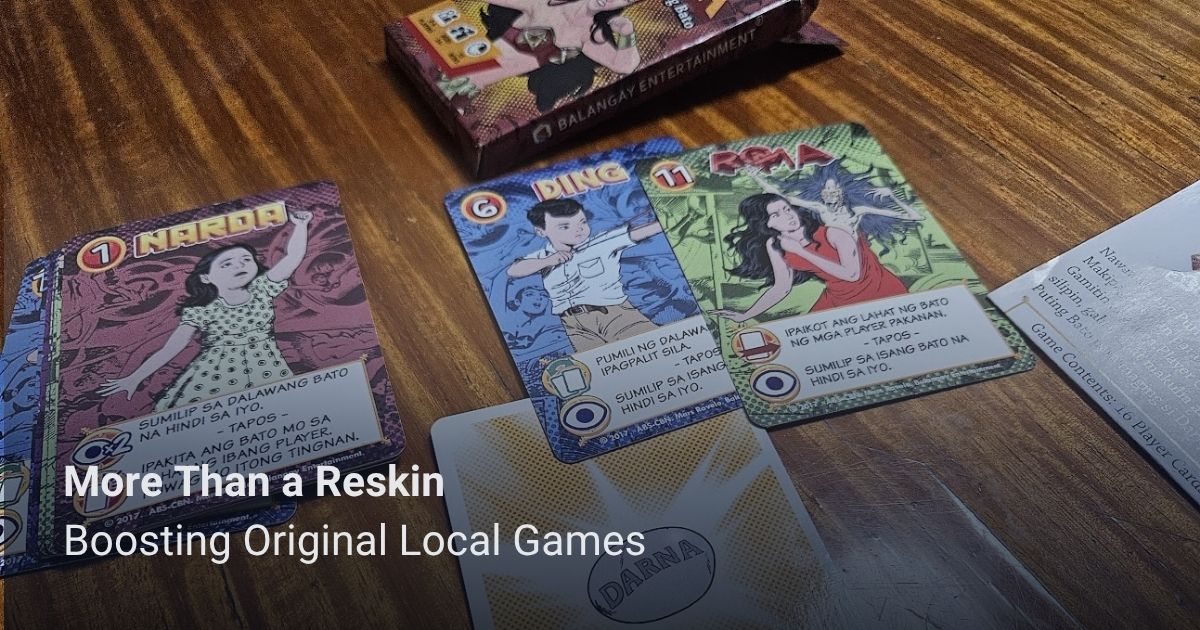
It’s an incredible feeling to walk away from a convention with a table full of custom regional editions, but we need to look past the beautiful new box art and figure out how to give true local tabletop innovation the social hype it deserves.
Last week was the second-ever All aBOARD EXPO, which proudly carries the title of the largest board game expo in Southeast Asia based on the number of attendees. My partner and I missed out on last year’s inaugural event, but we did make the time to go this time around. He had a Pendragon game to run for the folks at Chaosium, and I was determined to find some games of interest. I went for several convention exclusives like the Philippine edition of Modern Art, a copy of Cities that came with a Quezon City/Manila promo, and a copy of Sinigang, which is actually a reskinned Stew (Button Shy 2018). There was also Kalikasan, which is a Philippine version of the ever-popular Cascadia, but I skipped that since we already own that game and its expansion.
My social feeds have been overflowing with post-Expo updates, and more than one social connection has remarked that they were so happy to pick up some Filipino games at the event. And while I do love more extensive localized versions of games, can we really say they’re local games? And that’s today’s near-rabbithole.
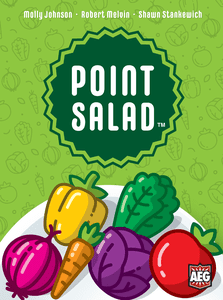
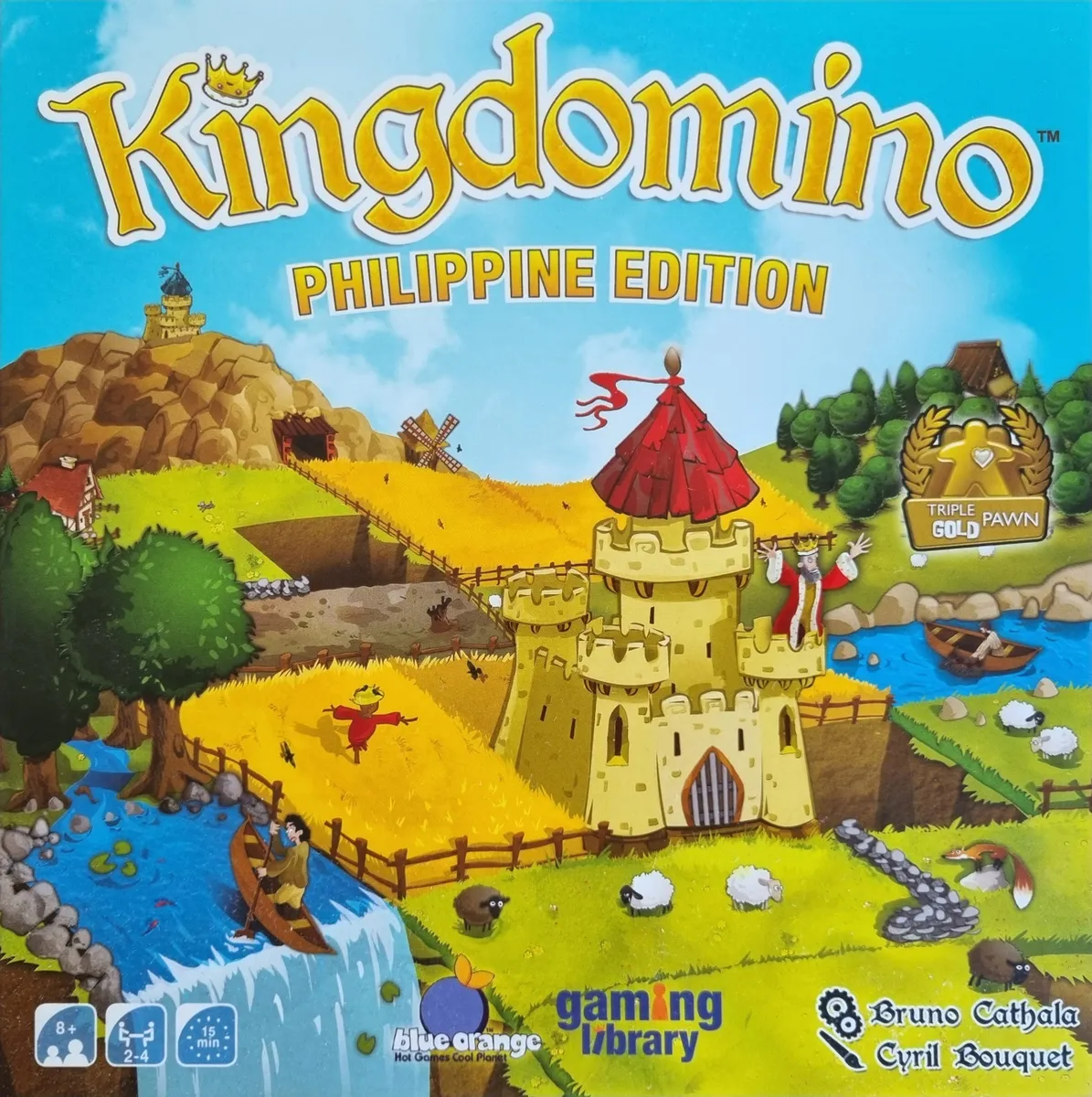
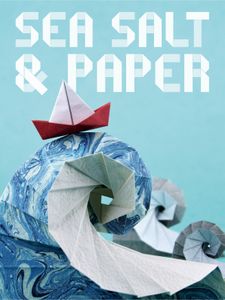
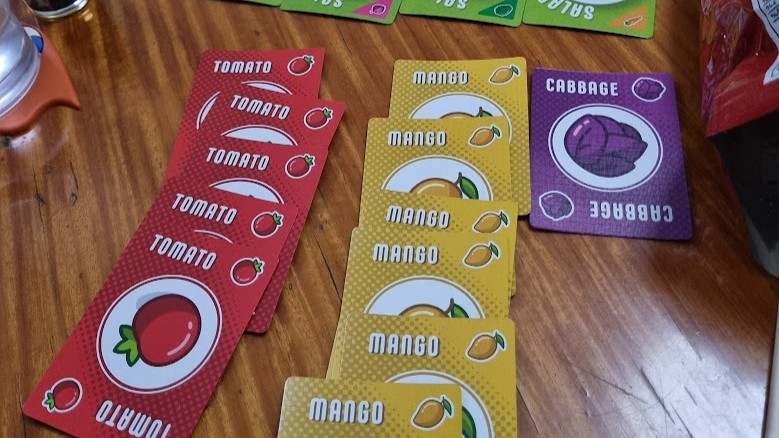
Gaming Library has been leading the charge in getting more localized versions of board games produced, given their deep retail ties to some major publishers. The first one we ever picked up was the 2020 SEA edition of Point Salad, which swapped out the yellow bell pepper for a mango and included Filipino translations in the manual. We also picked up a secondhand copy of the 2019 Philippine edition of Kingdomino, which mainly had Filipino translations for the manual. I think the only other localized game we acquired before Expo is Sea Salt & Paper, which again features a Filipino translation for the manual.
There was a lot more buzz over the Filipino editions of Coup and Love Letter that were released in 2024, as they featured entirely different card art. Coup’s cards were designed by local artist Frillion (Camille Chua Tan), while Love Letter had new art by Citadels artist Andrew Bosley. We skipped those since we already own several versions of Love Letter and Coup isn’t a game we’ve chosen to own.
There are many other Philippine editions of big board games in the market, but they mainly consist of translated manuals. This is great for helping make the game more accessible to more Filipinos, but these are also the exact same game. They don’t get unique game entries in Board Game Geek. They do get versions once someone takes the time to update the BGG entry, as I ended up doing for Point Salad, Kingdomino, and Sea Salt & Paper - just check who uploaded the box art for these versions.
As of the time I'm writing this post, BGG does not have version data for Modern Art, the Cities promo card, Kalikasan (under Cascadia), and Sinigang (under Stew), and I know I’ll try to get around to requesting the PH versions data to be added.
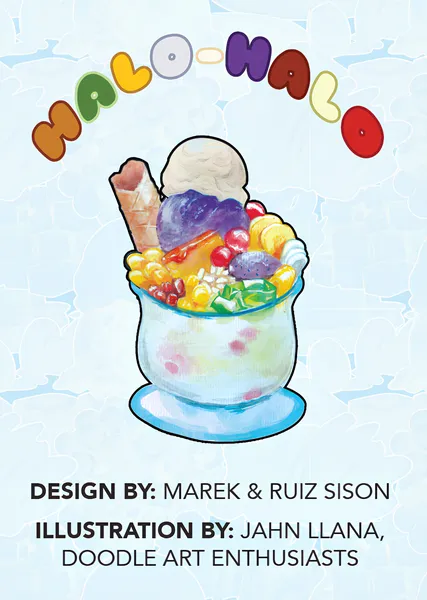
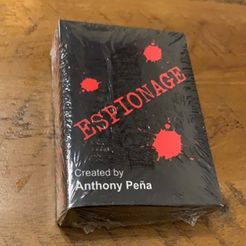
In contrast, the Asia Board Games Festival a few weeks ago featured a lot of original Filipino games, alongside original games from designers all across the region. Some of them don’t have BGG entries because they’re super indie print runs that BGG may not recognize (but fingers crossed for now) - not that I’m claiming that BGG is the definitive proof that a game is a game. But it’s a good indicator if a game is original since it merits its own entry. Small local indie releases like Halo-Halo and Espionage: the card game have full BGG entries because they are unique games that have a unique space in the industry.
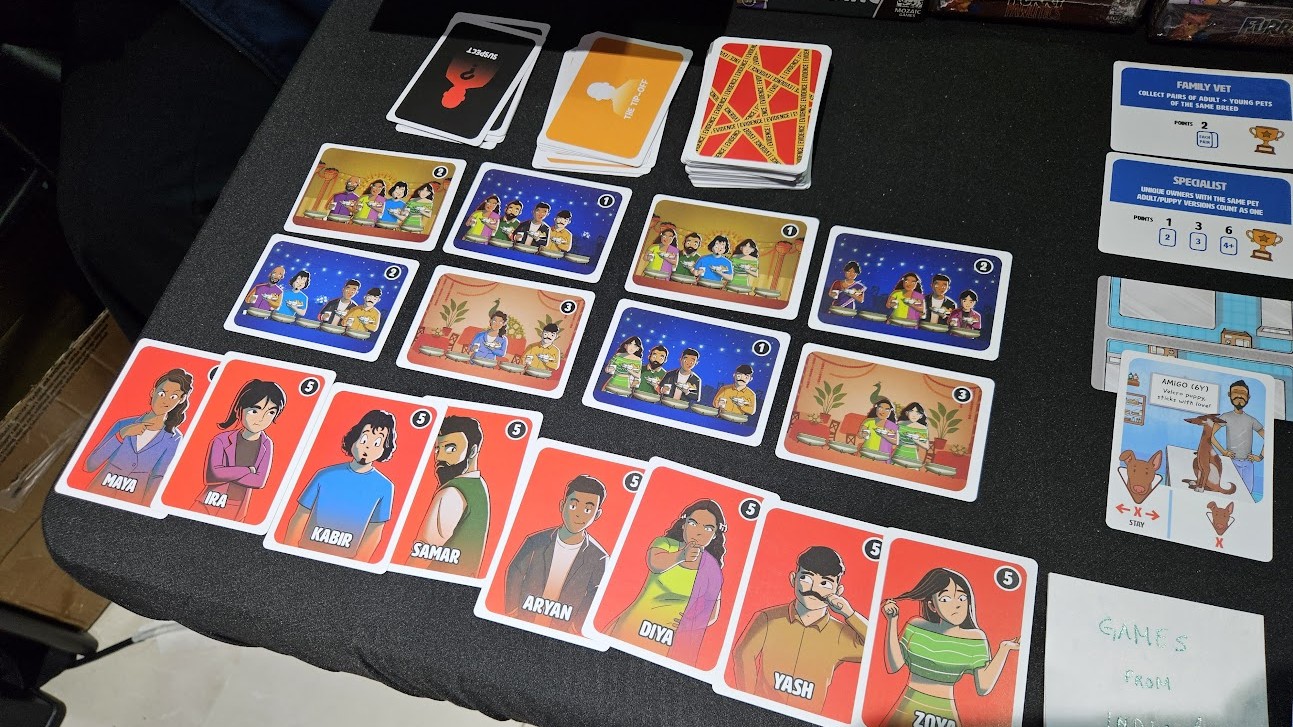
I’m a bit of a sucker for games that celebrate their local culture, and our collection features a good number of original Filipino games. However, I also have to admit that it’s still a bit of a struggle to find more original local games, and I probably own more games related to Singapore (I’m blaming you Origame) versus games that celebrate Philippine culture. At the Expo, the only original Filipino games I saw were outside the main Expo area and just in the retail area on the second floor, which included a table demoing Play For Fun: The Ultimate Barkada Game, and some of the indie releases by Kalaro Kolektib, which was only because Whimsy Board Game Cafe was carrying them. Some of the more exciting regional releases I encountered were also on the second floor - a small table by the Indian indie Publisher Mozaic Games, where I got copies of Univited Guests at a Wedding and Chai Market Mayhem.
There were some regional designers with spaces at the main Expo floor, a good number of which I had also seen at the Asian Board Games festival. But if there were other local publishers present, I didn’t catch them amid all the other demo tables.
This is not a call to stop localizing board games. Those efforts should totally continue as they support larger efforts to try to get more Filipinos into the board game hobby. But what we also need to do is figure out how else we can support local game designers and independent publishers and help get their games in front of more players. It is not easy to find local games, as most of them are limited to the direct sales model (typically via social media), or trying to get the word out in other creator-centric events like Komiket and such, which isn’t always the best fit. It’s still something, but clearly the local game industry still needs a LOT of help.
It’s sort of a chicken and egg problem. We don’t have a big local board game publisher yet, so we don’t have the infrastructure to help bring down the costs of board game production. Most local games are card games because at least we have printers that know how to print cards, but we don’t have folks who can do more specialized components at scale, like custom meeples. Thus, it becomes harder to pitch local games when they don’t look as exciting as foreign big-box releases. Retailers become less likely to carry these games on their shelves, which further limits their saturation into the gaming market. Then we get to big events like Expo, and they don’t have any big local releases to include in their game roster since there are no major publishers they can easily identify.
It’s still cool to own a copy of Modern Art that features art by actual local artists. And turning Stew into Sinigang with completely original local art is super awesome. But I’d also like for there to be similar excitement and social buzz for 100% local games out there. And the Geeky Guide will continue to celebrate local and regional releases when I find them, because they totally deserve the support and the signal boosting.