Tabletop
From Gateway to Heavy Euro in 4 Worker Placement Games
Placing a meeple to take an action is easy to teach, but jumping straight from a gateway game into a heavy Euro will break your table. These four worker placement games scale your group’s complexity tolerance one mechanical twist at a time.
Worker placement is arguably one of the simplest game mechanics in modern board gaming: you place your worker, resolve the space you place it on, and no one else can go there this round. This mechanic is what first got me excited about modern board games and cemented my love for the wider world of Euro games. And even though you can only do one thing every turn, the amount of thought and careful consideration that ends up going into that decision is what defines the worker placement game experience.
But not all worker placement games are the same, and game designers around the world have continued to innovate how this mechanic comes into play. The four games featured in this article are sorted by increasing rules complexity and can act as a guide to help your gaming group work your way up to some serious heavyweight worker placement titles.
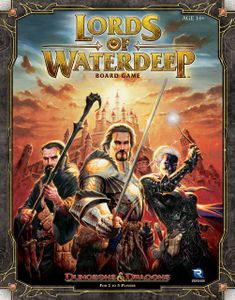
Despite being a game based on a popular IP, Lords of Waterdeep is actually one of the best examples of a solid worker placement game and one that we continue to use when helping newer gamers progress from gateway games. You don’t even need extensive experience with the D&D RPG system - this board game works perfectly on its own.
When new players ask how to get started in this game, we always advise them to focus on completing a quest. This makes them go through the core loop of the game (and all other worker placement games) - put one of your workers on an available action spot and resolve what the space does. Once they gather the right resources, typically a mix of cubes (representing adventures in your tavern) and sometimes money, all that’s needed is to pay them and mark the Quest as resolved. That covers what players will focus on every turn, with the next challenges including how to get more Quests and how to leverage Intrigue cards.
This game is a great entry point for any player wanting to learn how worker placement games run. Plus, as a D&D game, it also helps RPG players cross over to the board game hobby.
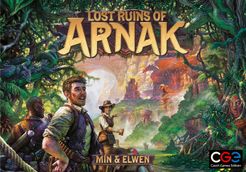
This next game adds another game mechanic on top of worker placement that really got me into modern gaming: deck-building. But more people think of how tight Lost Ruins of Arnak can feel in terms of what actions are available. There are many paths a player can take, but the game demands a higher degree of efficiency out of players in order to find a potential path to victory.
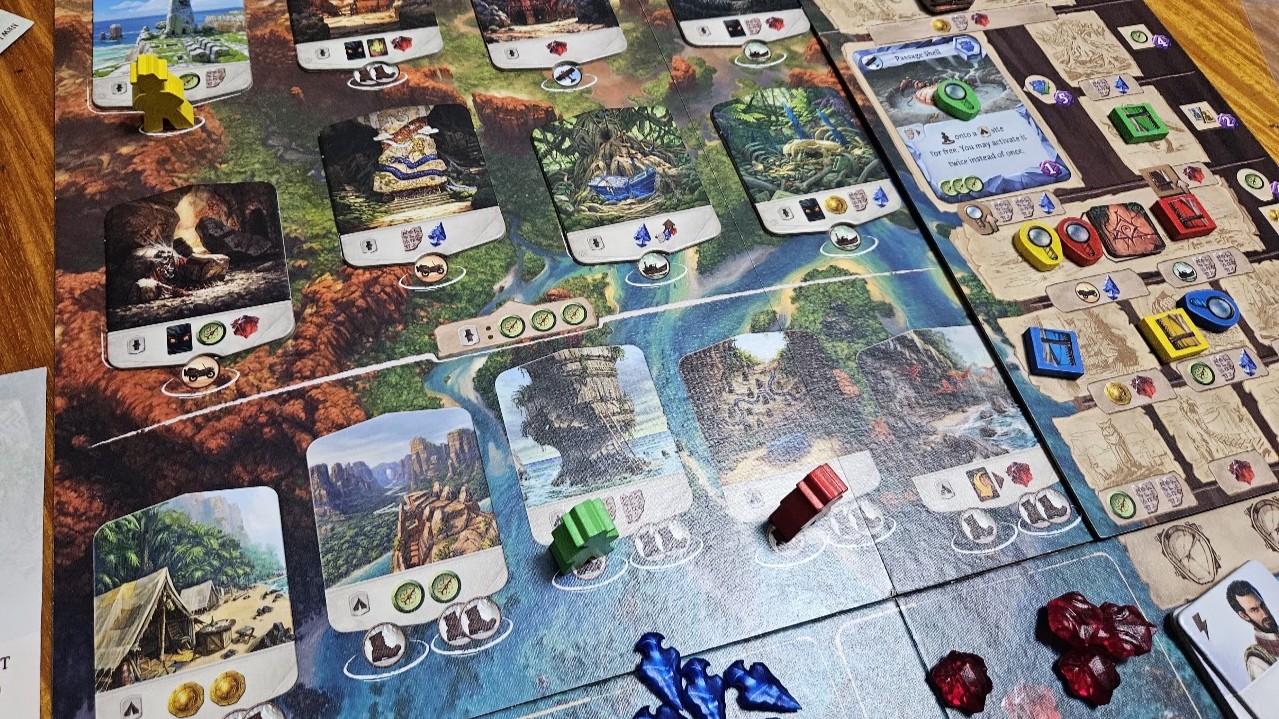
The biggest change in this game versus Waterdeep is that you only get two workers in the game (at least before expansions). And where your workers can go is tied to having the right travel icons on the cards you have in hand - assuming you can get to the space before other players do. However, you still have a range of actions other than worker-based ones, like buying cards, playing cards, and advancing research. There are different victory points associated with these different options, and the main strategy of the game is figuring out which avenues to explore.
Because of the wider range of actions beyond direct worker placement, the game really makes players think about multiple actions in sequence and not just react to the board state on your turn. You only have two true worker placement actions, so players aren’t strictly limited by that decision space. The new rhythm involves using other actions to generate resources needed for those critical two actions that define your turn.
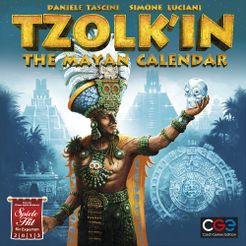
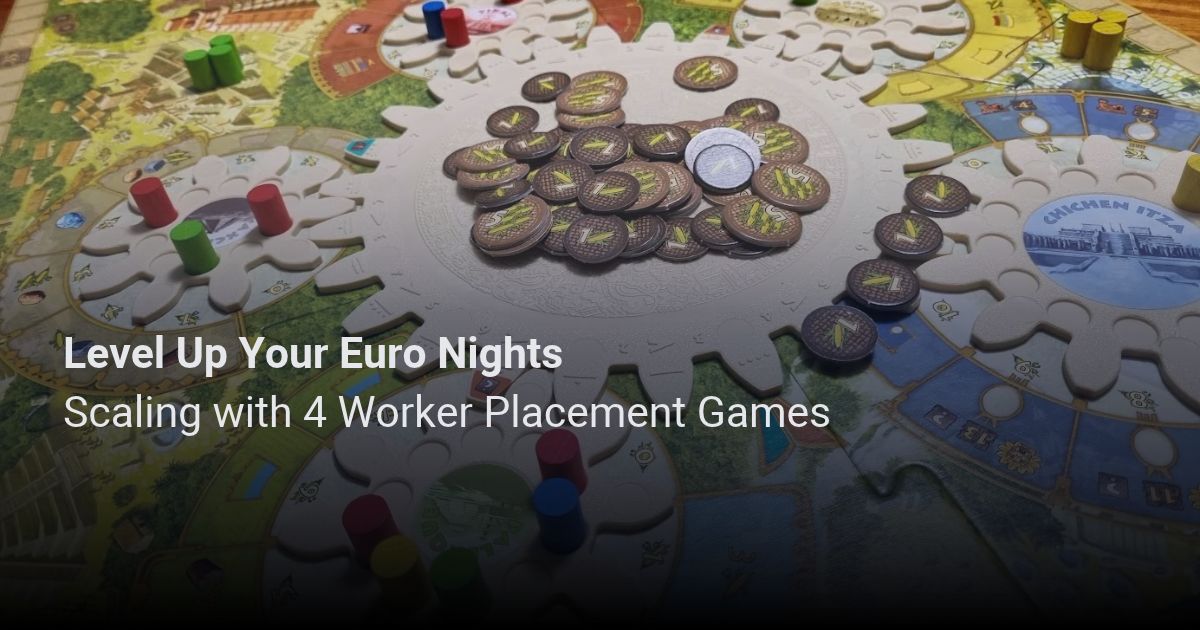
The next step up the worker placement ladder will take you to the wheel - in this case, Tzolk’in: The Mayan Calendar. But unlike other worker placement games, this one forces players to deal with delayed gratification as part of the game experience.
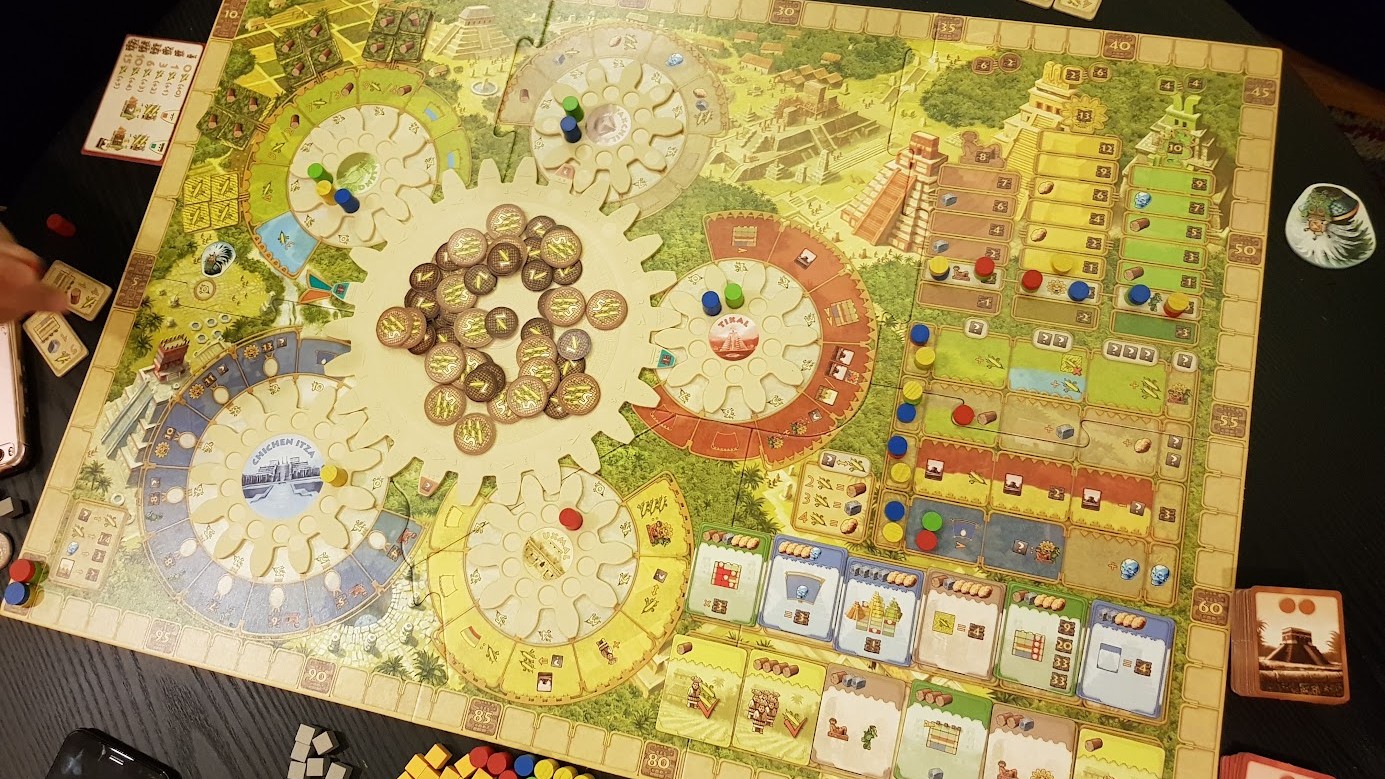
The interconnected wheels aren’t just a pretty centerpiece for the table, but they also define a new puzzle - one where you essentially “invest” workers to stay on the wheel long enough so that you can retrieve them for the right resources. The main challenge is connected to the fact that you can only place or retrieve workers on a turn, but never a mix of both worker interactions. This stretches out the worker placement puzzle into two phases: the first part, where you practice action programming when you place a worker on a wheel, and the second part, when you retrieve the worker and finally activate the board space beside your worker. But if you leave a worker on the wheel too long, it’ll get sent back to your supply without any benefits.
Tzolk’in is a game of patience and timing. The higher-skills players develop are all about timing. Can they afford to pay more food this round in order to deploy multiple workers at once and yield greater benefits later on, or should they pace things out one worker at a time, but risk progressing slower? The game is filled with many player questions like this.
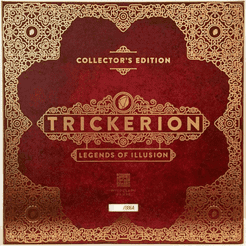
The last game on this list has a lot more going on, which is why its BGG complexity rating is just below 4.5/5.0. And the main way worker placement becomes a lot trickier in Trickerion is when action selection isn’t only programmed based on cards, but also done in secret.
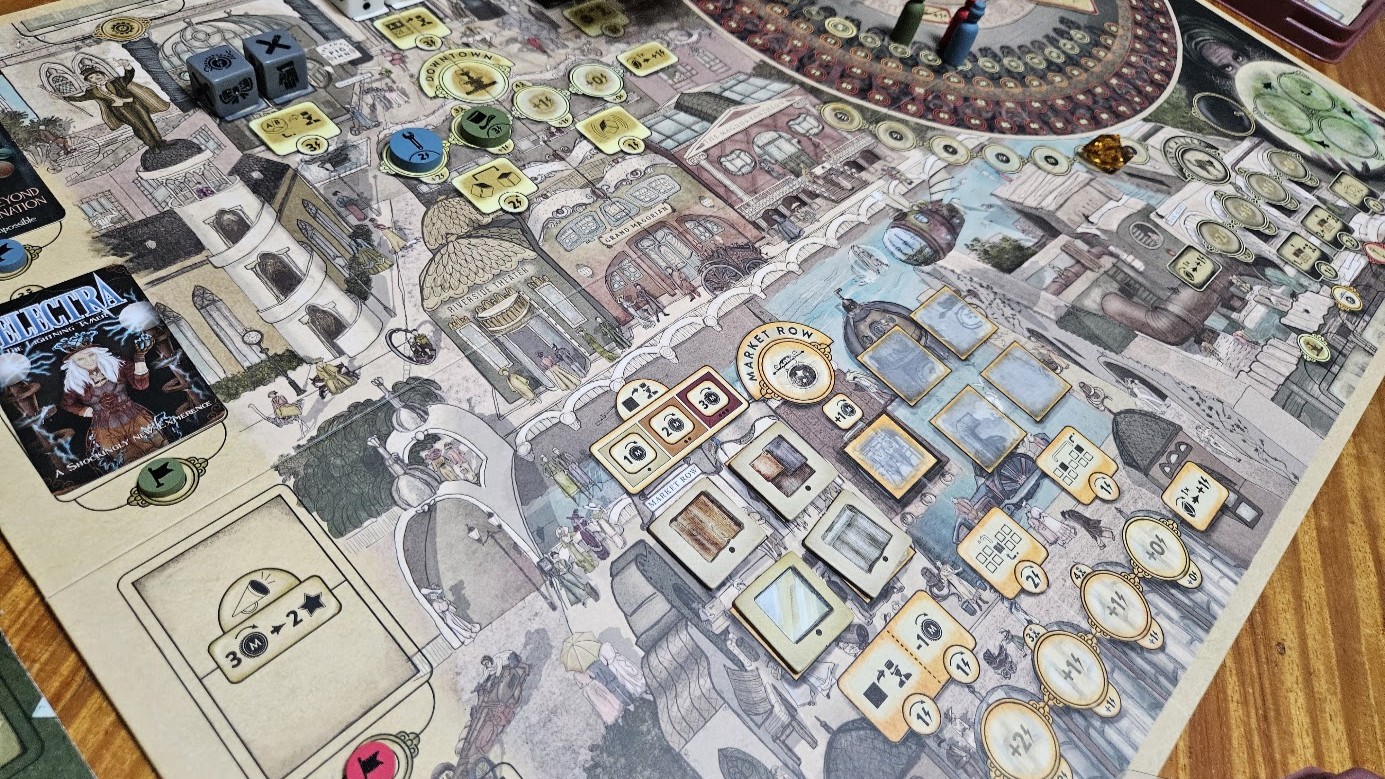
The game has multiple layers of complexity. First, there’s the aforementioned secret action selection step, which becomes all the more critical since multiple players may end up vying for limited action spaces like a round of musical chairs. And then there’s the question of which worker you send to the board, as each has different benefits beyond the number of action points it gives the player. Throw in a little spatial puzzle in the theater once you assign tricks to perform, and you’ll fully appreciate why this game provides such a rich experience.
Once your gaming group gets through a game like Trickerion, the sky’s the limit for worker placement games as a whole. There are still many other flavors of worker placement complexity. But games like Trickerion will push players into a whole other world of strategic thinking that many other Euro games operate in.
Worker placement games work best when the rules overhead doesn’t bog players down. By stepping your group through these four board games, every new twist builds naturally on skills they’ve already mastered - turning a potential rules nightmare into a rewarding progression and yielding more players for some of the heavier games in your collection.