Lords of Waterdeep
Official Description:
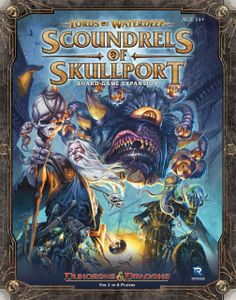
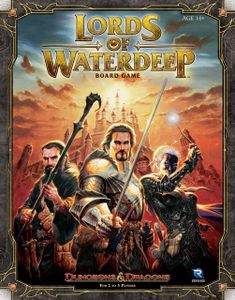
Lords of Waterdeep is a strategy board game set in the city of Waterdeep, the most resplendent jewel in the Forgotten Realms and a den of political intrigue and shady back-alley dealings. In this game, players take on the roles of one of the masked Lords of Waterdeep, the secret rulers of the city. Through their agents, these Lords recruit adventurers to complete quests and expand their influence over the city.
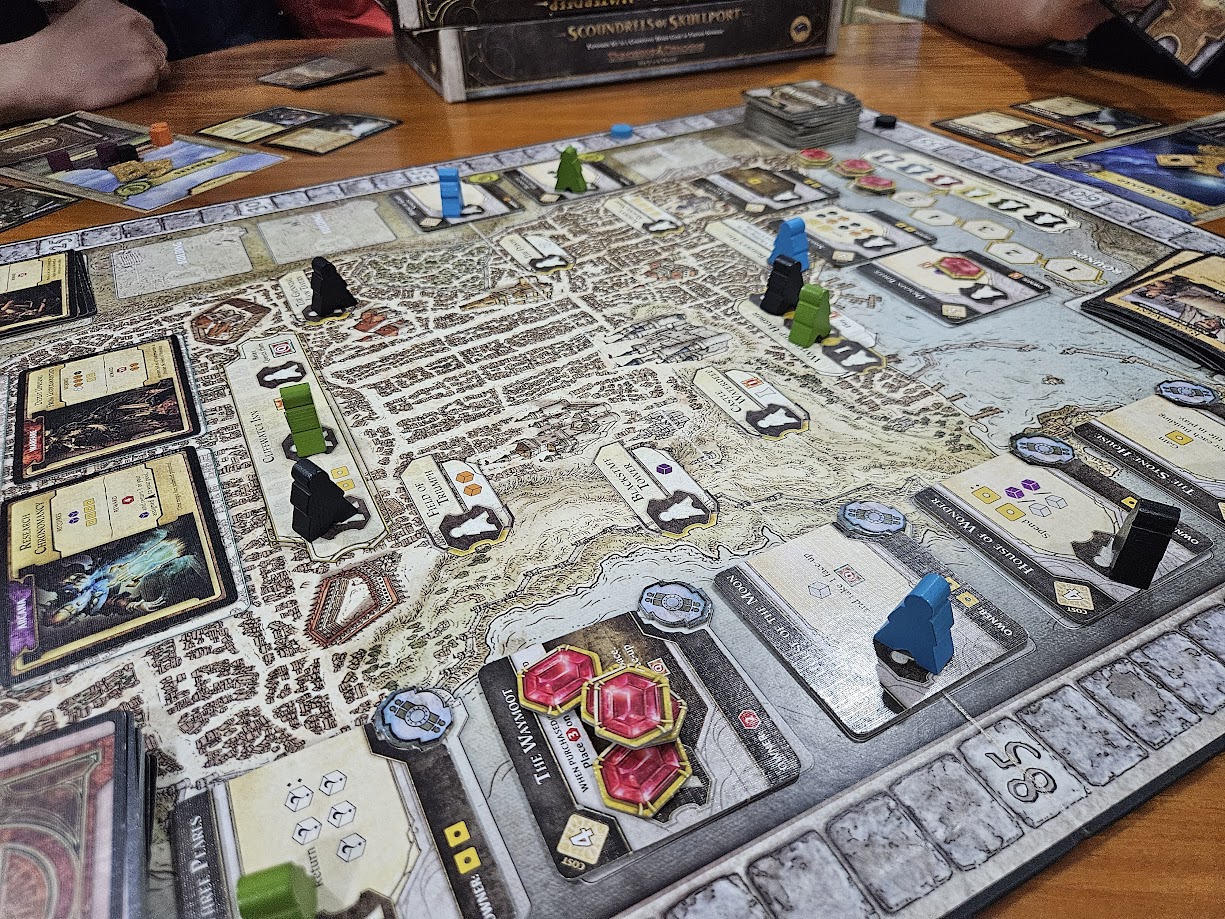
The game is designed for 2-5 players and uses a worker placement mechanic. Players send their agents to various buildings in Waterdeep to gather resources, recruit adventurers, and obtain new quests. Completing quests earns rewards and increases a player's standing in the city. Players can also construct new buildings, which become available for all, and play Intrigue cards to hinder opponents or gain advantages.
Victory is achieved by accumulating the most points through completed quests, constructed buildings, and other achievements. The game combines strategic planning, resource management, and a touch of subterfuge, all set within the rich lore of Dungeons & Dragons' Forgotten Realms universe.
Lords of Waterdeep operates as a modern worker-placement engine, where the interplay between hand management and the drive to expand across the oversized city map creates a persistent mental friction. The system’s tactical core is rooted in balancing the pursuit of deity icons—each a multiplier for endgame scoring—against the urge to claim territory and outmaneuver rivals for prime locations. While the actions themselves are straightforward, the scoring remains opaque until players cycle through the first Tribune reset and see their engines loop. This blend of accessible turns and delayed clarity is a hallmark of top-tier strategic dividend, explaining why the game maintains significant long-term shelf retention and remains a reliable fixture for veteran curators. Its competitive edge and market-driven tension prevent the experience from devolving into parallel play, keeping it relevant and engaging even after years in rotation.
From a logistics standpoint, Lords of Waterdeep is unapologetically a table hog. The sprawling map and air-filled box demand a substantial footprint, and setup or teardown clocks in at a solid 15 minutes. This is not a filler or a warm-up; it’s a main event title, best suited for sessions where the group is committed to a full evening’s investment. The physical sprawl and component management require a dedicated surface and a host prepared for a bit of pre-game sorting, but the payoff is a session that feels substantial and immersive. For groups accustomed to managing larger games, the setup is a known quantity, but it’s worth noting for anyone with limited table space or tight schedules.
Teaching Lords of Waterdeep is a procedural affair—expect a 20-minute rules overview, with the first play serving as a practical tutorial for most tables. The competitive structure keeps everyone engaged, as blocking and tactical denial are ever-present, fueling a lively table dynamic. The system’s skill dividend lies in its demand for forward planning and adaptive resource allocation; players leave with sharpened instincts for timing and spatial prioritization. While the rules are accessible enough for a confident host to step away after the first round, the opaque scoring and evolving board state reward attentive facilitation. The interaction level ensures the room stays alert, with enough friction to keep even seasoned groups invested from start to finish.
Category
Tactical & Strategy
My score
9
Our Total Plays
47
Last PLayed
31 Jul 26
🚀 High Velocity
Player Count
2-5
Playtime
120 mins
Proficiency Perks
Strategic Planning
Check Amazon
As an Amazon Associate, I earn from qualifying purchases.
← ALL BOARD GAMe REVIEWS