Tabletop
Cultural Curation
Analyzing the intersection of lived experience and game design.
Board games are a unique way of telling stories and recreating particular experiences. When we’re introducing modern games to newer players, I inevitably mention that there should probably be a Rule 34, but for board games, because there are so many interesting perspectives that give this hobby life. What more when you start to explore games from other countries, or those that really try to translate a real-world experience into a game?
This article is meant to celebrate some of these games (or at least the ones that struck me the most). The more I write roundup posts like this, the more people (on the internet) remind me that there are still so many other games out there that I’ve never even heard of before that would be absolutely perfect for the list. The world is a wonderfully geeky place indeed.
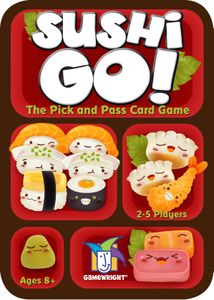
The very first game we purchased because it tried to capture an experience in a humorous way was Sushi Go. My partner and I had seen a demo copy on display at Paradigm Infinitum in Singapore and were curious enough to ask the staff about it - mainly because of the adorable sushi character art. Sure, there are a lot of card drafting games out there. But when you justify that the card-drafting mechanic is meant to represent food passing by your table like at a conveyer belt sushi restaurant, then it becomes a very clever design choice indeed. That sort of thing really sticks with me, and mentioning the whole conveyor belt scenario is how I most enjoy sharing this game with friends.
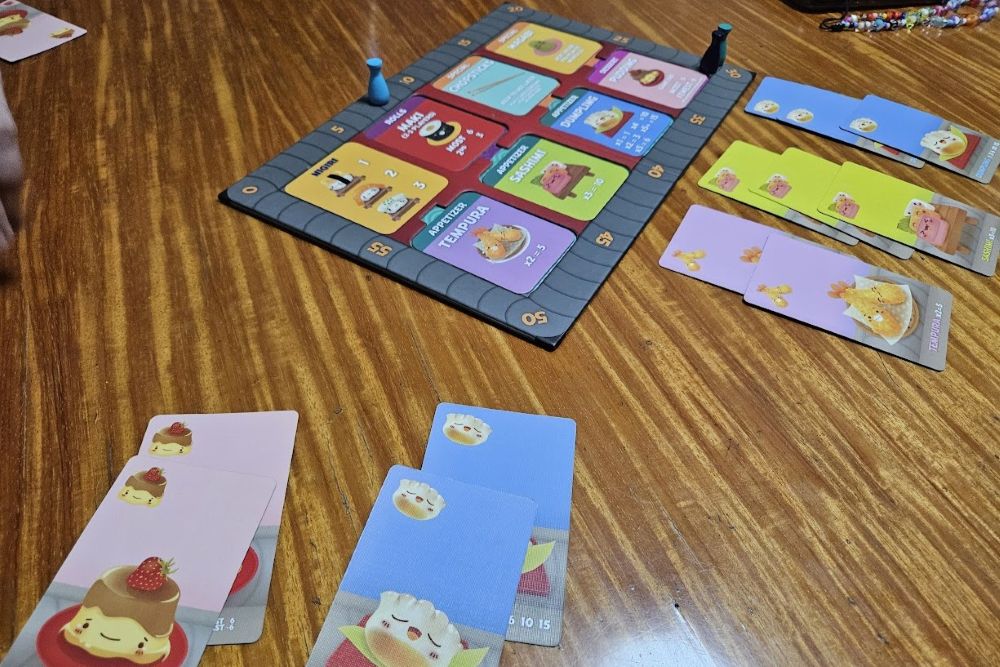
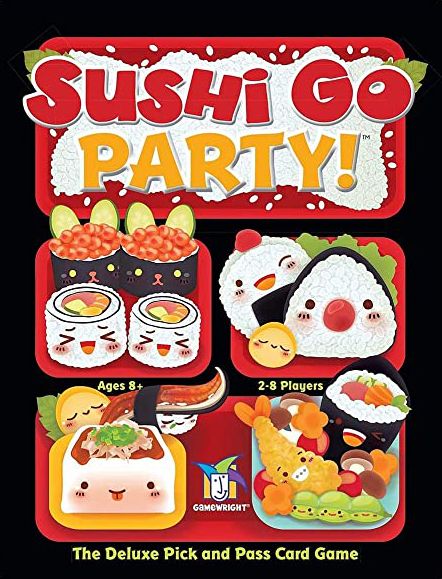
And there’s even more to it than that. The logic behind the pudding desserts being something that scores only at the end was very clever, and it results in funny moments at the table when you have players getting started on dessert in the first round. Things have only gotten more nuanced with later games in the series, like Sushi Go Party!, which have introduced even more menu items that each have their little sushi shop stories woven into their game mechanics. Another favorite is miso soup that scores better if you’re the only one who has soup that round, as it naturally fosters a degree of envy by your fellow diners, versus if you all have soup, it doesn’t feel as special. Some really smart design all around.
This section is all about Origame, because they really do create some wonderful little games that proudly raise the Singaporean flag. Admittedly, their games helped inspire this article. I travel to Singapore a lot for work and family, and every time I look forward to checking out whatever new game the team has come up with since the last time I was in town.
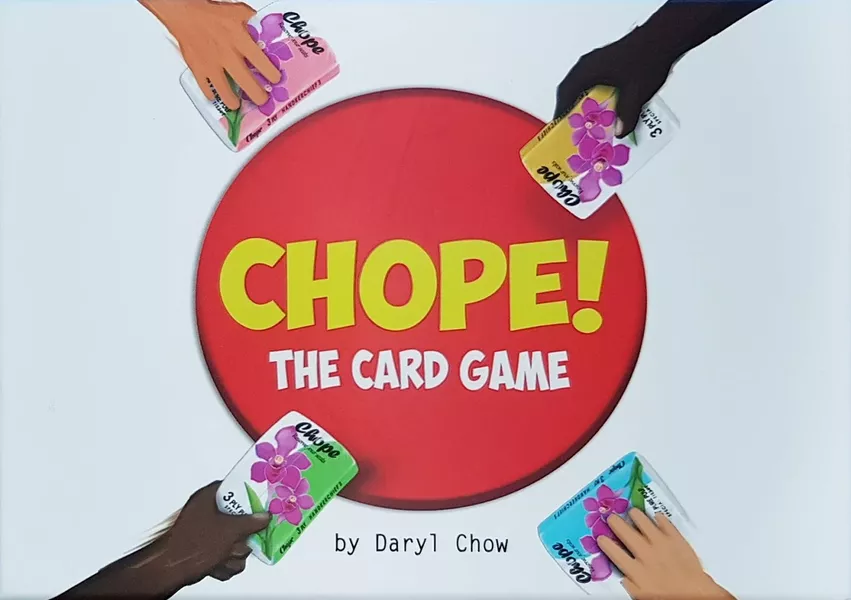
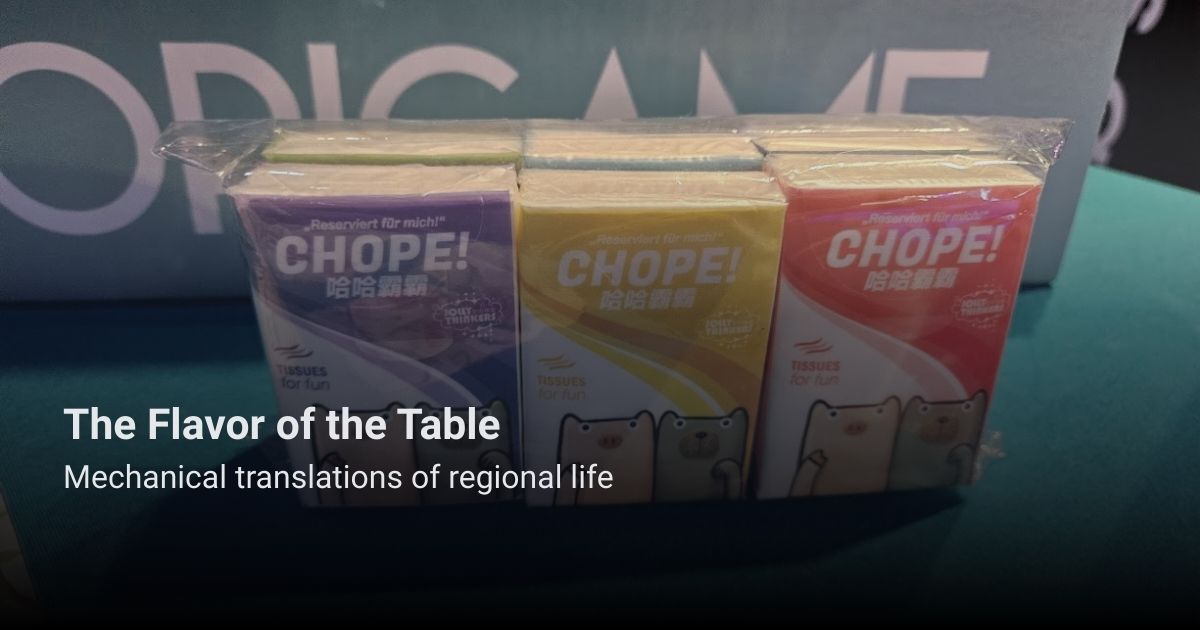
This was my first-ever Origame purchase, and it stood out because of the name. For those unfamiliar, chope is a Singlish term for reserving a table, particularly at a hawker center. It’s one of my favorite Singlish words just because of its sheer utility, plus the cultural nuances around it. And it’s one thing to know the meaning of the word - it’s something else entirely to actually visit a Singapore hawker center and see all manner of objects, including tissue packets, umbrellas, and potentially receipts used to mark that a table is occupied. You never really know, so I end up erring on the side of caution.
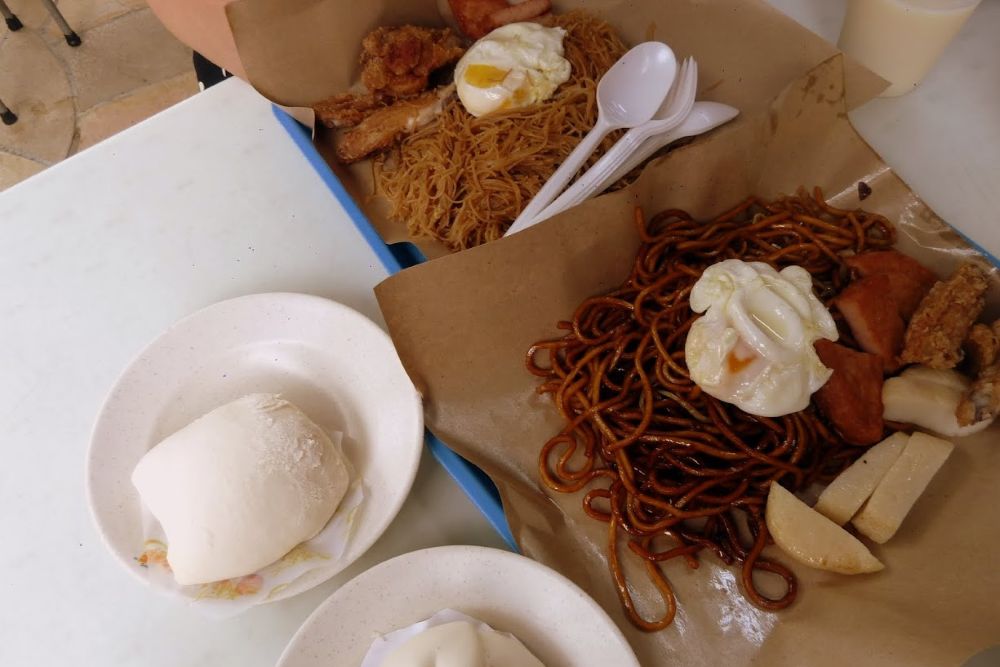
As a game, Chope is a wild set collection game that has resulted in more than one injured hand among our play groups. Things boil down to players using their tissue cards to literally chope table cards as they’re revealed from the deck, which weirdly captures the subtle polite tension when you’re trying to find a table for yourself at a hawker center. The game is probably more violent than the actual experience, but I think it just brings to the fore your actual feelings when someone snags a table before you can. Do you reserve tables first, then order your meal, or the other way around? And don’t even get me started on the birds!
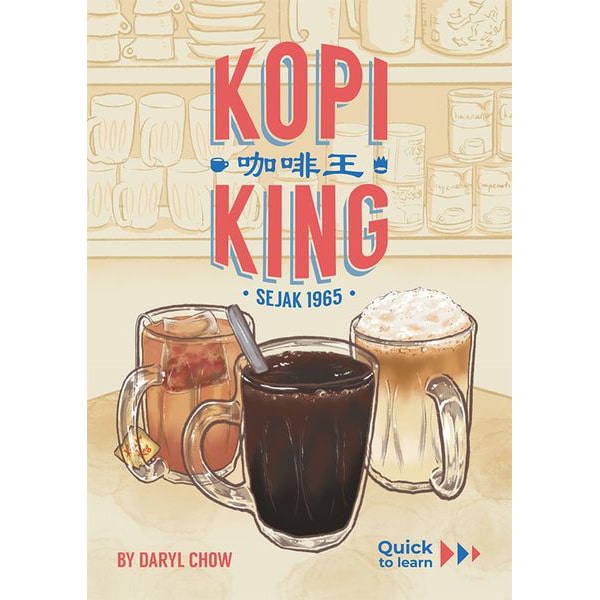
This game pushes the limits of the sort of games that I wanted to highlight in this post, but it’s still a solid enough entry. In this game, players are running their respective kopitiams, or traditional coffee shops, and have to sort through the mess of ingredient cards to assemble their drinks. This is a country whose coffee shorthand includes drinks like Kopi O and Kopi C, so sometimes the differences between drinks boil down to swapping single ingredients like evaporated milk instead of condensed milk.
Running an actual kopitiam probably isn’t as chaotic as how this game actually plays out, but I don’t think it’s too far away, especially once players start shouting out completed orders for customer pickup through the game round. Throw in the fact that the illustrations beautifully capture classic kopitiam ingredients, but are obscured with respect to copyright (Melo cracks me up so much), and this game demonstrates so much love for Singapore culture.
I am fortunate enough to have experienced lo hei at least once in my life, and it’s one of the more memorable Chinese New Year traditions. On the surface, how can tossing a salad be all that important, right? But the fact that it’s a shared experience and one tied to notions of good fortune - all that comes together to make it like something else entirely.
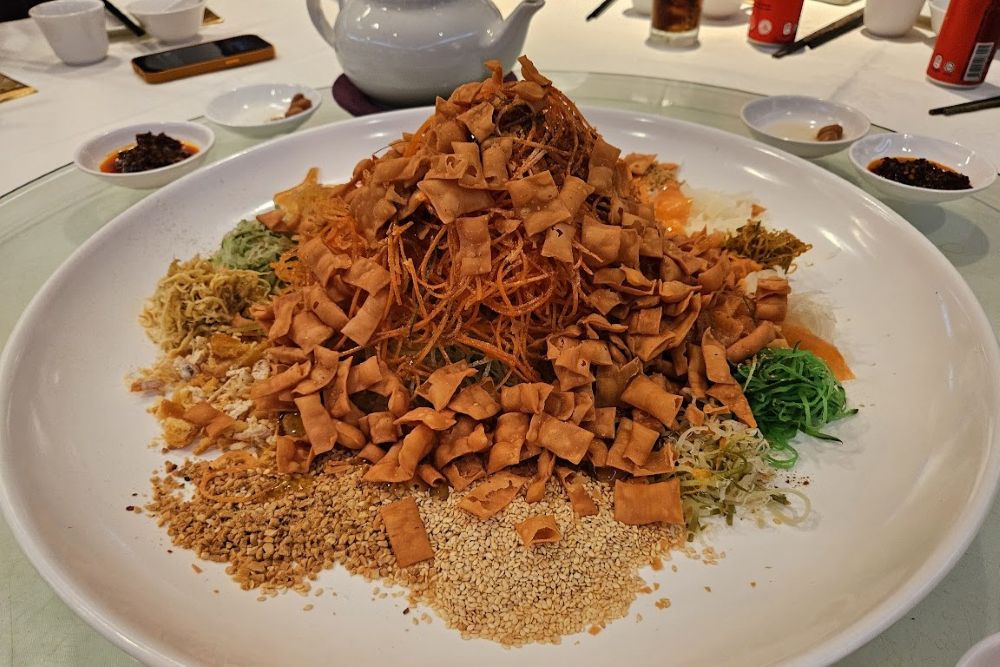
This game is Origame’s effort to translate that experience into a dexterity card game, and it does so brilliantly. Sure, the onus falls on me to first explain to non-Singaporean players what lo hei is (including showing them videos), and then explaining how the game works is a bit much. But I love the experience as much as I enjoy the game, and I’ve been making it a habit to get my friends to play this every year during the lunar New Year season. I should probably put some effort into making them experience an actual lo hei toss somehow, but the game will do for now.
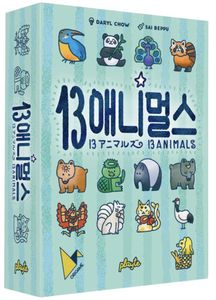
Designer Daryl Chow’s note in the manual of 13 Animals is what really brings this game home for me. There, he described how the game is meant to approximate mahjong, which is traditionally played by many Asian families. And man, I was totally one of those kids who would get sucked into all-day mahjong sessions with my grandmother during the summer, because you need 4 players to complete the table. And when she didn’t win the high (series of rounds), that meant we’d all be committed to a long night of play
The game uses very cute depictions of various types of animals (including some fictional beasts) instead of the classic suits, but the fundamentals remain the same. You may not end a round of 13 Animals prepared to play an actual game of mahjong, but you get pretty darn close as the game acts as a streamlined entry point for rummy-style set collection games. Plus, there’s the benefit that this game allows just 2 or 3 players - something that could have given me back a lot of free time all those years ago.
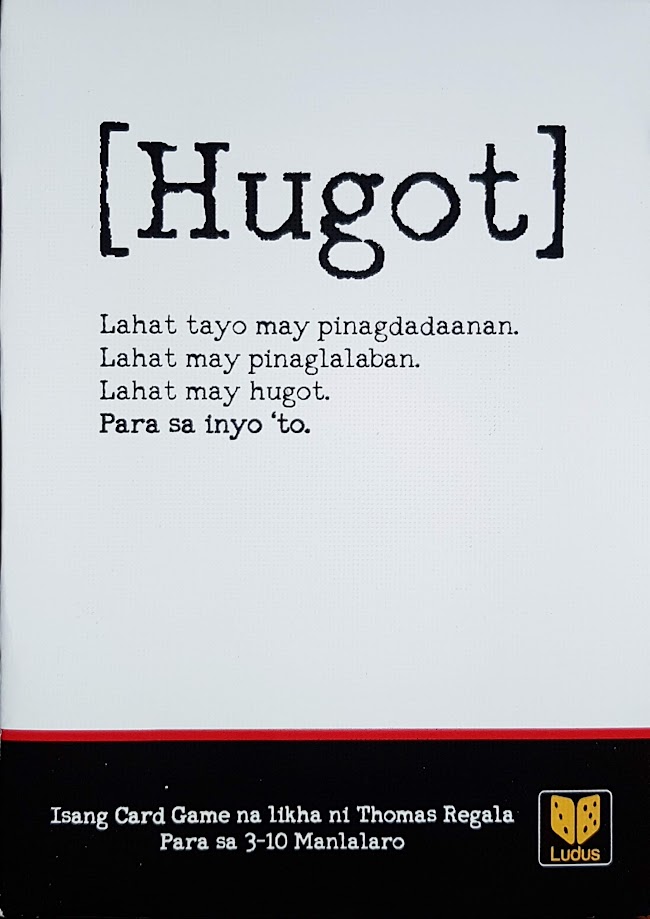
I needed at least one local Filipino game in this list, and the first thing that came to mind was this party game. While I can’t really describe hugot as some sort of experience or tradition, it’s a game whose DNA is rooted firmly in very Filipino humor. And while this sort of wordplay probably existed even before the term was popularized, the practice was given more of a cultural identity when the term became popular.
It’s also a game that sort of defies translation, which makes it even more Filipino. And maybe I’m wrong on that note, but I just can’t imagine people around the world playing the game in a manner that truly captures the often dry Filipino humor. I’m sure there will be other variations based on how people in other countries may play it with their own set of (non-Filipino) words. But would that still be hugot? Jury’s out on that front.
There are a few more games that almost made this list, but they also deviated a wee bit to end up being not quite there.
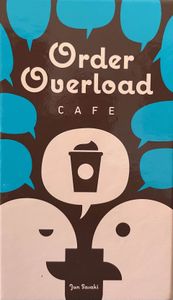
This crazy memory game may not be the most accurate depiction of running a coffee shop, but I totally feel like I had come from a double shift after a few rounds of this game. Trying to remember an increasing number of similar-sounding coffee orders is a LOT, and we have fun even if we often don’t technically score points. Favorite annoying order: Iced Coffee without Ice.
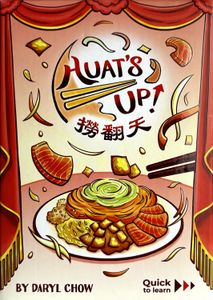
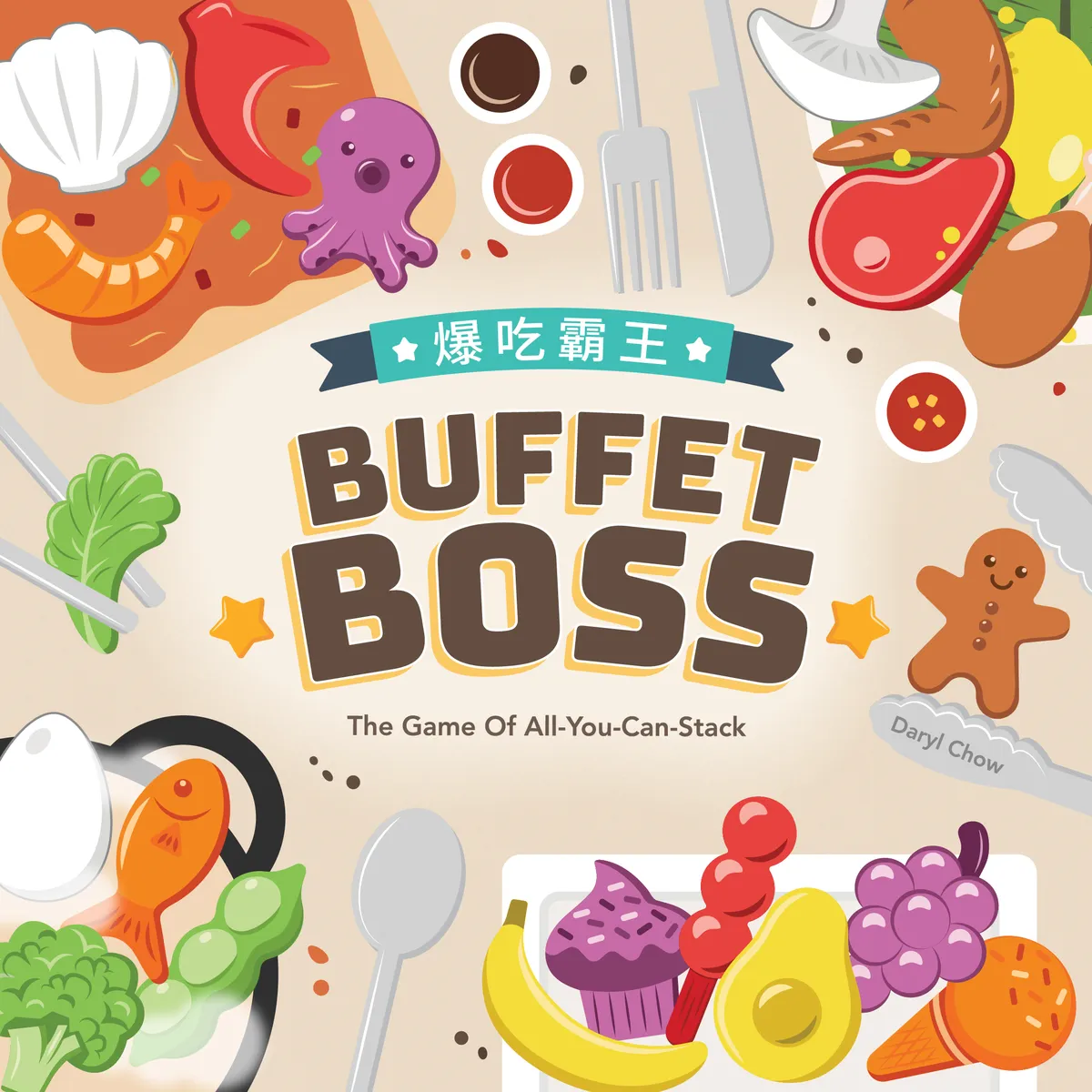
This game nicely approximates the physical challenge of stacking as much food as you can on a plate, something more relatable to people who ever patronized the Wendy’s salad bar back in the 90’s. It’s not something solely Singaporean, but it’s definitely an experience. And you’d totally eat something particularly good that fell to the floor if no one was looking.
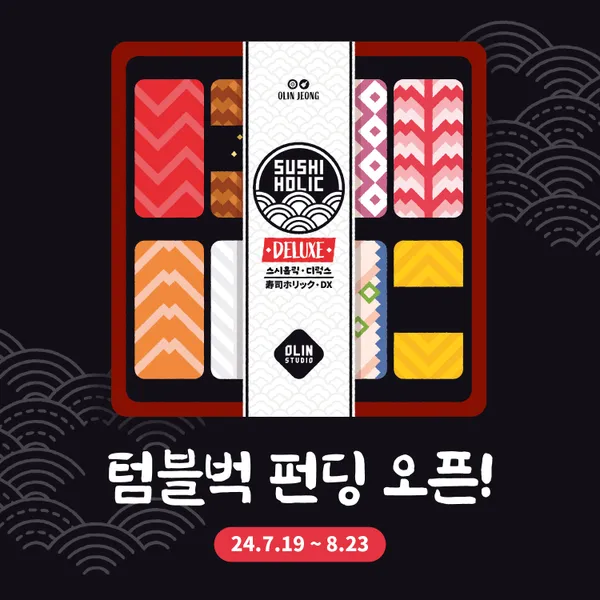
While the actual process of making sushi is not a befuddling memory game, the fact that each piece involves rice, then some wasabi, then your protein or topping is rather spot on. Plus, it’s fun to mime patting down the rice even if you’re holding a cardboard tile.