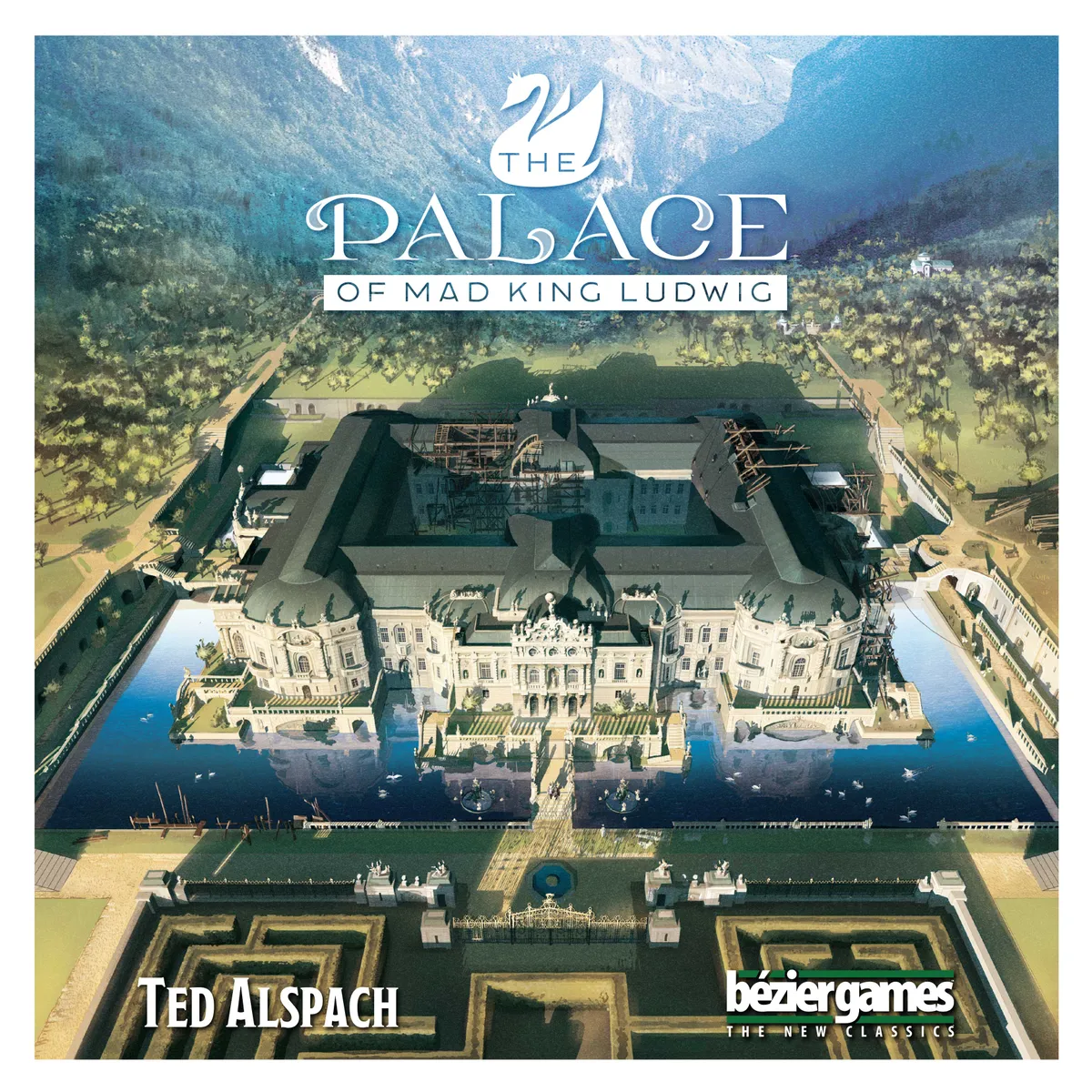

Blueprints of Mad King Ludwig
Official Description:
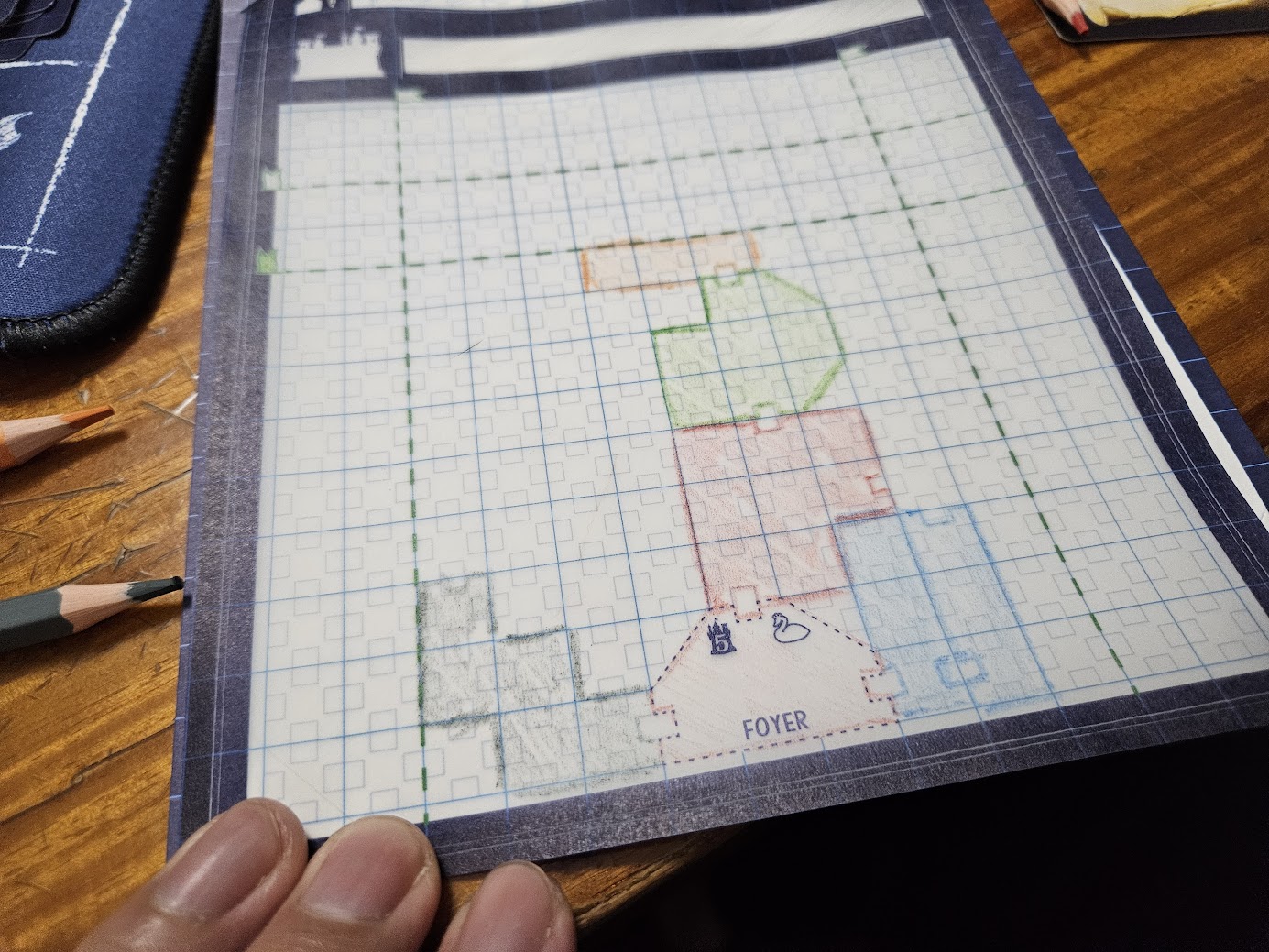
Blueprints of Mad King Ludwig is a flip-and-sketch strategy game where players take on the role of architects tasked with designing extravagant blueprints for King Ludwig’s next castle. Each round, players draft room cards and draw them onto their personal floor plans, aiming to fulfill the king’s ever-changing demands and maximize their score through clever placement and room connections.
The game features a variety of room shapes and types, each with unique scoring opportunities and adjacency bonuses. Players must balance the king’s requests, their own objectives, and the spatial puzzle of fitting rooms together efficiently. As the game progresses, new goals and constraints are introduced, keeping the competition dynamic and engaging.
Blueprints of Mad King Ludwig offers a creative and strategic experience, blending elements of drafting, drawing, and spatial reasoning. The game is designed for both newcomers and fans of the original Castles of Mad King Ludwig, providing a fresh take on castle-building with a focus on blueprint creation and personal strategy.
Blueprints of Mad King Ludwig operates as a flip-and-sketch evolution of its predecessor, channeling the original’s castle-building DNA into a streamlined, card-driven format. The drafting mechanism, paired with the act of drawing room shapes onto personal blueprints, delivers a consistent mechanical performance—players can expect a solid table-time value rather than a disruptive innovation. Its status as a proven classic is earned through years of shelf presence, but the adaptation’s late arrival to the flip-and-write trend means it now serves as a reliable secondary option for groups seeking a familiar spatial puzzle with a fresh execution. The game’s tactical core remains rooted in optimizing adjacency bonuses and fulfilling shifting objectives, rewarding those who can adapt their plans on the fly.
Component-wise, the system is refreshingly low-tech: a deck of cards, colored markers, and individual sheets are all that’s required. Setup is straightforward and fits comfortably within a 15-minute window, making it suitable for most game nights as a main event or a substantial lead-in. The physical footprint is modest, and the absence of elaborate boards or tiles keeps the session focused on player creativity rather than component management. For hosts, this means less time spent on logistics and more on facilitating a smooth, engaging experience—ideal for tables that value efficiency and visual payoff.
From a teaching perspective, Blueprints of Mad King Ludwig sits firmly in the procedural camp. Expect a 20-minute rules overview, especially for newcomers unfamiliar with flip-and-write conventions or the nuances of card-driven drawing. Once underway, the parallel play structure allows the facilitator to step back, as players work independently with minimal need for arbitration. The primary skill dividend is a sharp audit of spatial visualization and adaptive planning; players leave the table having exercised both creative layout and tactical foresight. The low-interaction format keeps the room’s energy focused and contemplative, making it a dependable choice for groups that appreciate thoughtful, puzzle-driven sessions without direct competition.
Category
Tactical & Strategy
My score
7
Our Total Plays
1
Last PLayed
18 Oct 24
🏛️ Legacy
Player Count
1-5
Playtime
60 mins
Proficiency Perks
Spatial Reasoning
Strategic Planning
Check Amazon
As an Amazon Associate, I earn from qualifying purchases.
← ALL BOARD GAMe REVIEWS