Tabletop
The Forbidden Sequence
Decoding Matt Leacock’s Cooperative DNA
On March 5, game designer Matt Leacock announced the planned release of Forbidden Legacy, the next chapter in his line of Forbidden games. And given the involvement of Rob Daviau (his Pandemic Legacy collaborator), it comes as no surprise that this new game is going to be a campaign game. The Toyfare previews of the box art mention a 7-episode replayable adventure, but the same previews still show some windows or panels to open with new information for players.
That’s a fair amount of waiting for what is bound to be a great game. Let’s face it, Pandemic Legacy: Season 1 was a game-changer, and it really cemented the legacy format was a wonder blending of storytelling and evolving gameplay. It’s still one of the best legacy campaigns we’ve had the joy of experiencing and is one we wouldn’t mind repeating. The story is just that good.
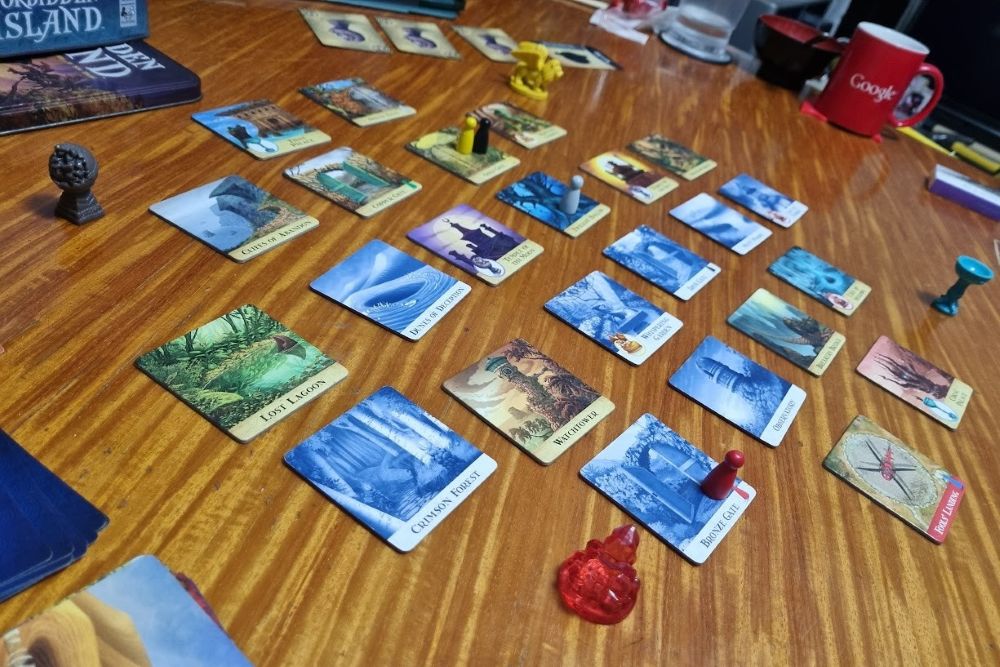
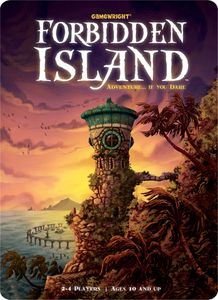
Matt Leacock has come a long way from Pandemic. When we first experienced Forbidden Island, this was also our first encounter with him adapting his core game system into another game. The Gamewright packaging made it look something like a Pandemic for kids with its metal game tin container filled with hefty statue tokens for players to collect and bring back to Fool’s Landing to escape the sinking island.
But this game managed to become a Mensa Select winner - a unique award that was clearly marked on our copy of the game. Despite the core system feeling very similar to Pandemic, there were some notable differences that elevated the game. First, he went with variable tiles instead of a fixed board with a map, so every game ends up being quite different, whether you stick to the standard island layout or try any of the variations available online. And then there’s the fact that the threat continues to escalate through the game every time Waters Rise cards are drawn. Epidemic cards in Pandemic served the same function, but were sort of a one-and-done deal. This game has the deck shuffling repeatedly, and thus the threat continues to rise, driving some real tension despite the family-friendly packaging. Leacock had turned a familiar system into something completely different.
It wasn’t until Forbidden Desert that we appreciated the narrative Leacock was starting to build. The manuals of the games didn’t include extensive lore beyond the basic premise of each game, so the story wasn’t very in-your-face. But there was no denying that you end Island by taking a helicopter, while you begin Desert at the site of a crashed helicopter. I don’t know why this little revelation based on the art of a single desert tile felt so exciting at the time. But this game really felt like it had a stronger narrative woven into the design in a subtle yet elegant way. It had strong IYKYK vibes for players who had played both games.
Then you get to the game itself - he doubled down on the treat by having two cards that represented the escalating threat - Storm Picks Up and Sun Beats Down. Combine that with shifting tiles that beautifully represented getting lost in the desert, and it’s a really hard game. We didn’t win our first 3-5 games because we kept missing little rules (like how tunnels protect you from the sun) that had us inadvertently playing the game at a higher level of difficulty.
But the way things literally come together at the end, once you assemble the airship, that represents the game’s win condition, as you and your fellow players finally escape the desert. The first time we managed to win despite all the challenges the game threw our way made things even more memorable.
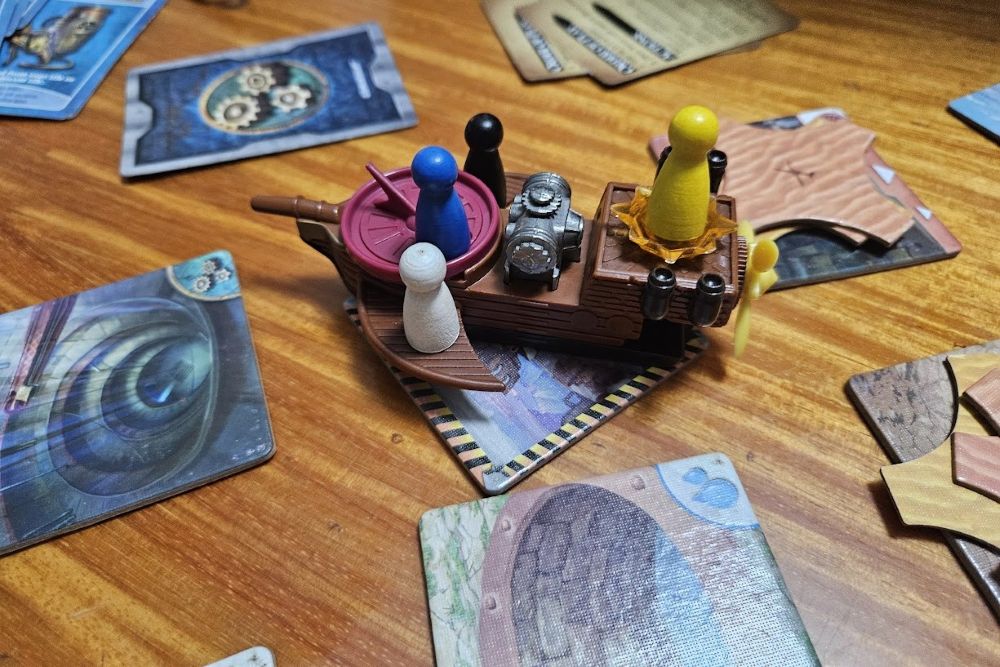
At this point, we can take a moment to appreciate the core “Leacock Loop” of player actions and threat escalation. It was present in Pandemic and it was still present in Thunderbirds. We have a fixed number of actions, followed by one version or another of a threat deck, making things worse. Compared to the original Pandemic, the Forbidden games allow the threat to rise continually. Players can try to run the numbers as the deck thins, but once it cycles around again, you know all the threat cards are back in play. And that knowledge adds a hard edge to all the games in the series, no matter how cute they can look at times.
We also see a distinct shift in his relationship to game components in the transition from Forbidden Desert to Forbidden Sky. In the earlier games, the large pieces were trophies or just indulgences like the airship. Sky’s electrical components and Jungle’s aliens play a key mechanical role in their respective games. These games are still largely family-friendly, but Leacock also seems to have a very healthy respect for the kind of cognitive loads families can juggle for a board game.
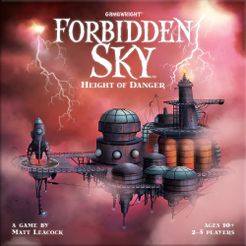
Forbidden Sky was an unusual evolution for the series, as the airship had brought the adventures to a fantastical floating city, which felt like quite a shift from the last two games. Gamewright did away with the metal container that the previous two sets had used because it went even bigger in terms of components. Beyond tiles, we also had large plastic components, including rigid “wires” and towers, all culminating with a large plastic rocket. The core puzzle was still challenging, but the rocket element took center stage more than the implied story for us. It’s still fun, and we still cheer when we manage to get it launched. But yeah, this one was a little weird as half the time you end up being more worried whether or not things are aligned correctly and if the rocket will fail on a component-based technicality.
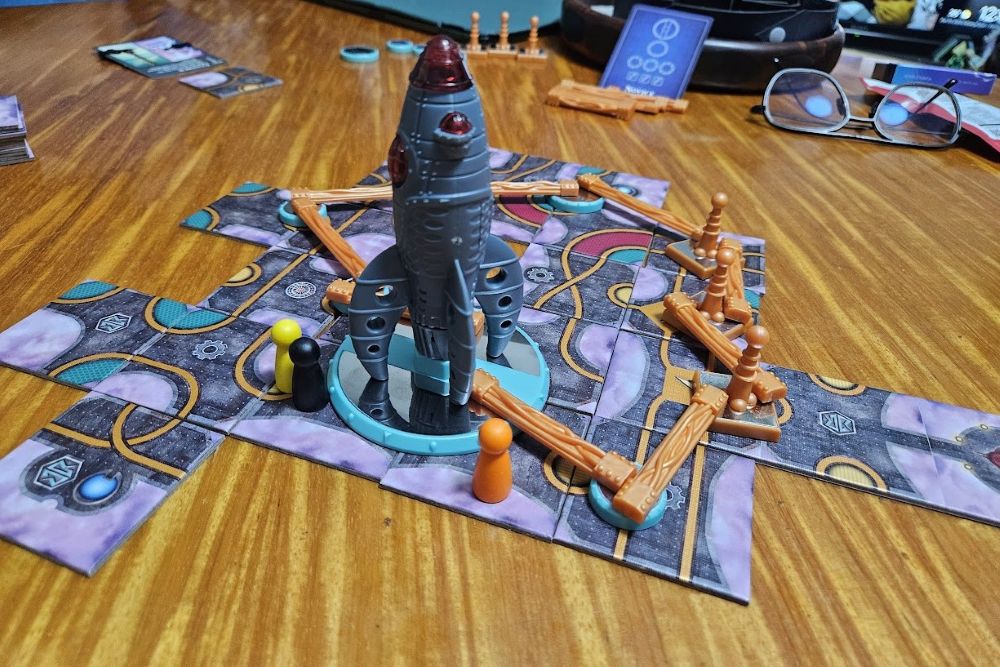
And this is despite the fact that the game carried the two levels of threat that Desert had. So now you’re trying to avoid being blown off the platform, but also dodging literally lightning bolts. Instead of tracking your water, you track how much rope you have left, representing how you get back onto the platform after being blown off. Admittedly, lightning felt like the worst threat for us as it was pretty much relentless. This meant a lot less time for narrative speculation and a bigger focus on just getting to the end.
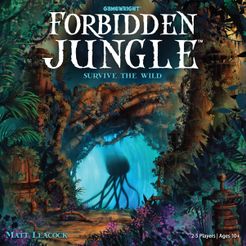
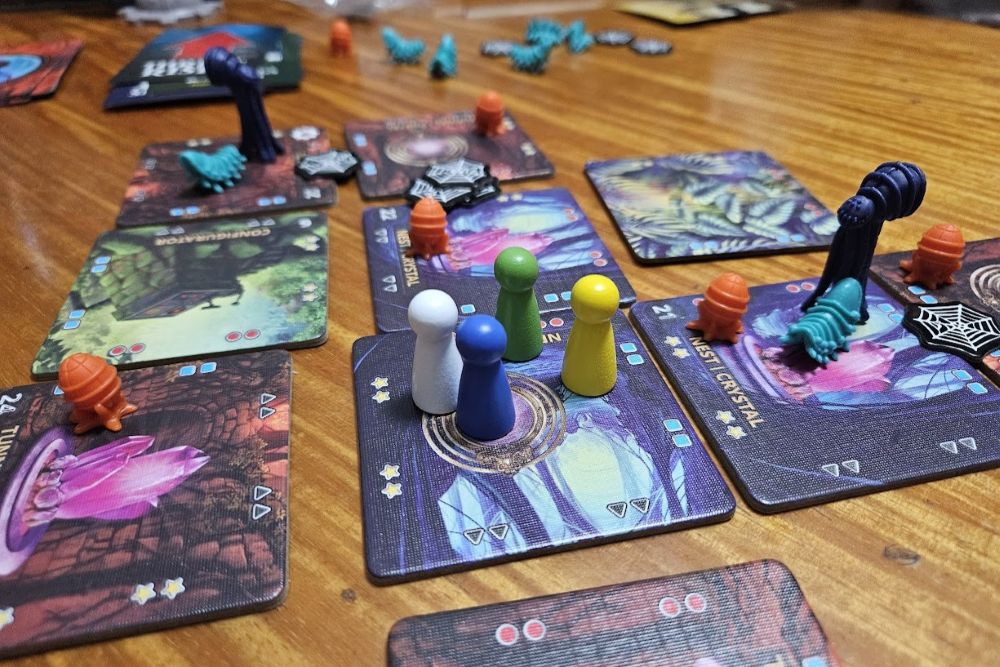
Forbidden Jungle has the players crash-landing on some alien planet with creatures roaming around. The previous games had players essentially fighting the elements - flooding, shifting sands, and fierce winds. This one had quasi-antagonists as represented by our multi-stage aliens going around. And it had a tile map layout that had stronger Island DNA, down to the rocket appearing in the art of the Fool’s Landing tile. I liked the puzzle of this game, and the ending of escaping through a giant portal a la-Stargate is quite evocative from a narrative perspective.
However, the game mechanics driving this chapter are kinda bonkers. You have so many threats that dictate with aliens spawn, which ones move, and which ones sting the players. Then you have alien machines that allow you to move tiles around or destroy tiles, including all the aliens on it. But that final portal needed players to use the Configurator to maneuver power crystal tiles around the portal to make it useable, forgoing actual crystal tokens for this game. All the plastic bits went to the aliens, and that does make for quite a board presence. But man, this game has a lot of moving parts.
Publisher Gamewright will formally debut the game at this year’s Gen Con with a Q4 retail release. That makes sense, as it probably means a lot of geeky people are going to receive Forbidden Legacy as a Christmas present.
From a helicopter, to an ancient airship, to a rocket, to a portal - we’ve been following the Forbidden story woven into these game components and blended with the design of each installment in the series for well over a decade now. Given all this, you know what we’ll be hoping to see under our Christmas tree this year.