Cat's Tsukiji
Official Description:
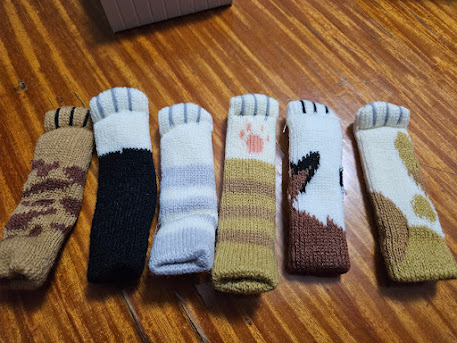
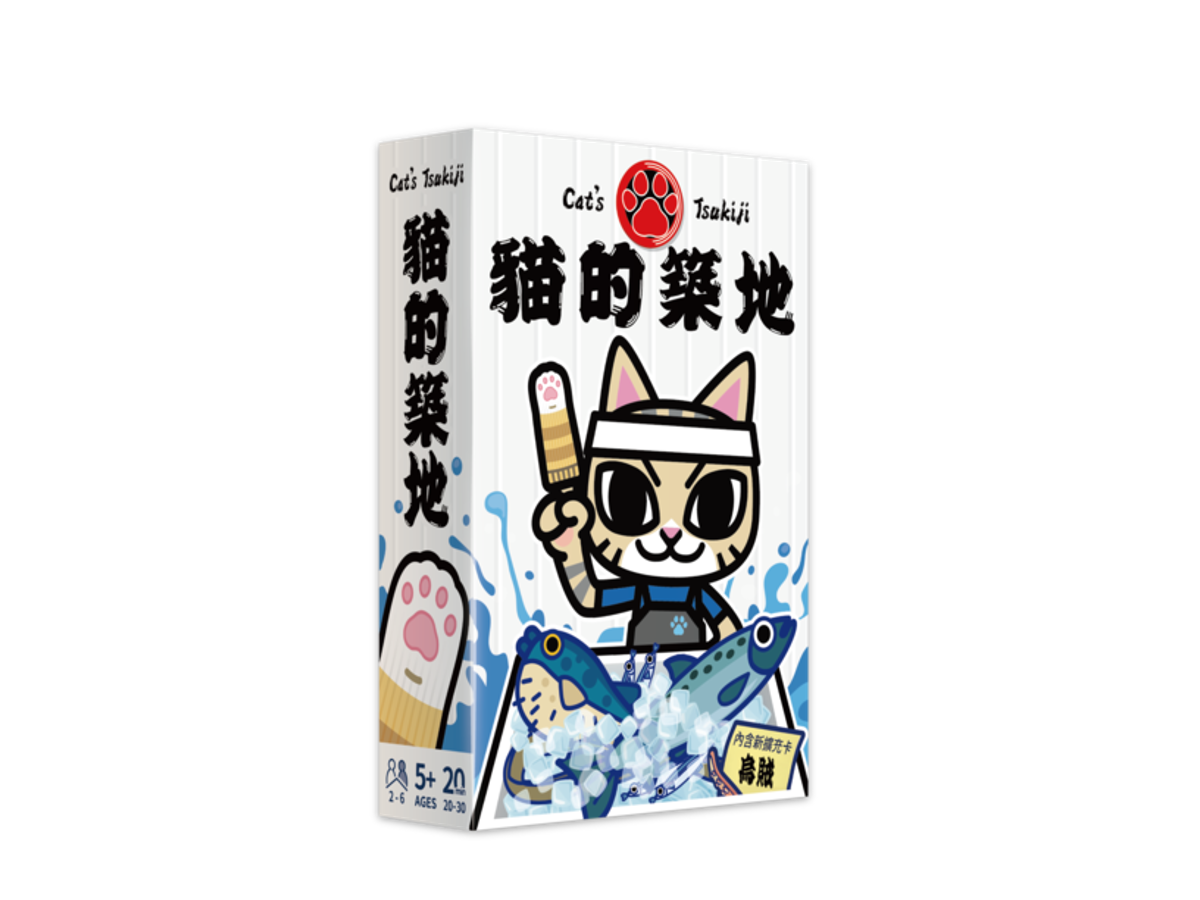
Cat's Tsukiji, also known as Fish & Katz, is a fast-paced set collection game where players take on the roles of cats competing to grab the freshest fish at the bustling Tsukiji market in Tokyo. Each player wears a pair of cloth cat paws, which they use to snatch fish cards from the table in real time. The game is designed to be both engaging and whimsical, with the unique cat paw gloves adding a tactile and thematic element to the gameplay.
During each round, a selection of fish cards is placed face up, and players must quickly use their cat paws to collect the fish they desire. The goal is to be the first to score six points by collecting sets of fish cards, with each type of fish offering different point values and potential bonuses. The real-time action and the challenge of using the cat paws create a lively and competitive atmosphere.
Cat's Tsukiji is suitable for a wide range of ages and supports multiple players, making it an accessible and entertaining choice for families and groups. The combination of speed, dexterity, and set collection mechanics, along with its charming theme, makes it a standout among party and family games.
Cat’s Tsukiji draws from the long tradition of quick-fire, tactile party games, but distinguishes itself with a playful set collection core and a physical twist—players don cloth cat paws to snatch fish cards in real time. This isn’t just a gimmick; the dexterity element overlays a surprisingly robust bidding contest, where timing and set optimization matter as much as speed. Its enduring presence in collections is no accident: the game delivers consistent mechanical performance, making it a reliable secondary option for groups seeking a break from heavier fare. Years of managing tables have shown that its blend of whimsy and tactical depth gives it solid table-time value, justifying its continued shelf space even as newer titles come and go.
From a logistics standpoint, Cat’s Tsukiji is a model of efficiency. The compact box and minimal setup—just cards and the signature cat paw gloves—mean it’s ready to hit the table with almost no downtime. Sessions clock in at around 30 minutes, making it ideal for filling gaps between longer games or as a light opener to warm up a group. The physicality of the cat paws adds a layer of chaos, but the contained component count keeps cleanup and reset straightforward. For hosts, it’s a dependable choice when you need something that can be taught and played with minimal fuss, yet still delivers a memorable experience.
Teaching Cat’s Tsukiji is refreshingly straightforward. The rules are light, and most players are comfortable by the second round, though it pays to clarify the various scoring methods and point values before the first fish is grabbed. The real-time, competitive format injects immediate energy into the room, with the mental friction coming from quick decision-making and spatial awareness under pressure. The skill dividend here is twofold: players sharpen their reflexes while also learning to evaluate set values on the fly. Once the basics are covered, the system largely runs itself, allowing the facilitator to step back and enjoy the spectacle as the table erupts in laughter and friendly rivalry.
Category
Casual & Filler
My score
7
Our Total Plays
2
Last PLayed
16 Feb 24
🏛️ Legacy
Player Count
2-6
Playtime
30 mins
Proficiency Perks
Reflex & Speed
Check Amazon
As an Amazon Associate, I earn from qualifying purchases.