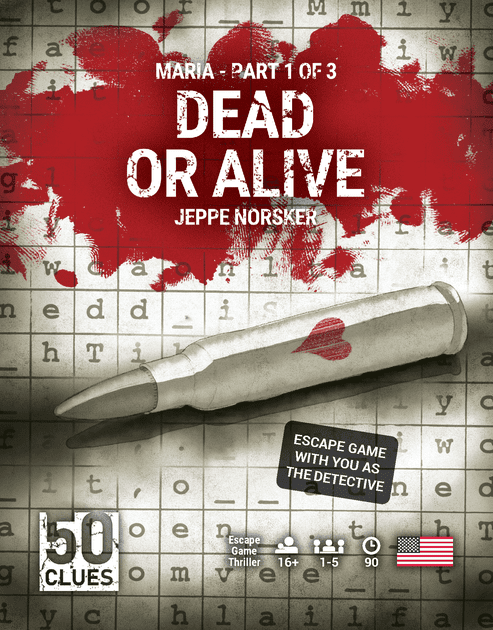
50 Clues: Dead or Alive
Official Description:
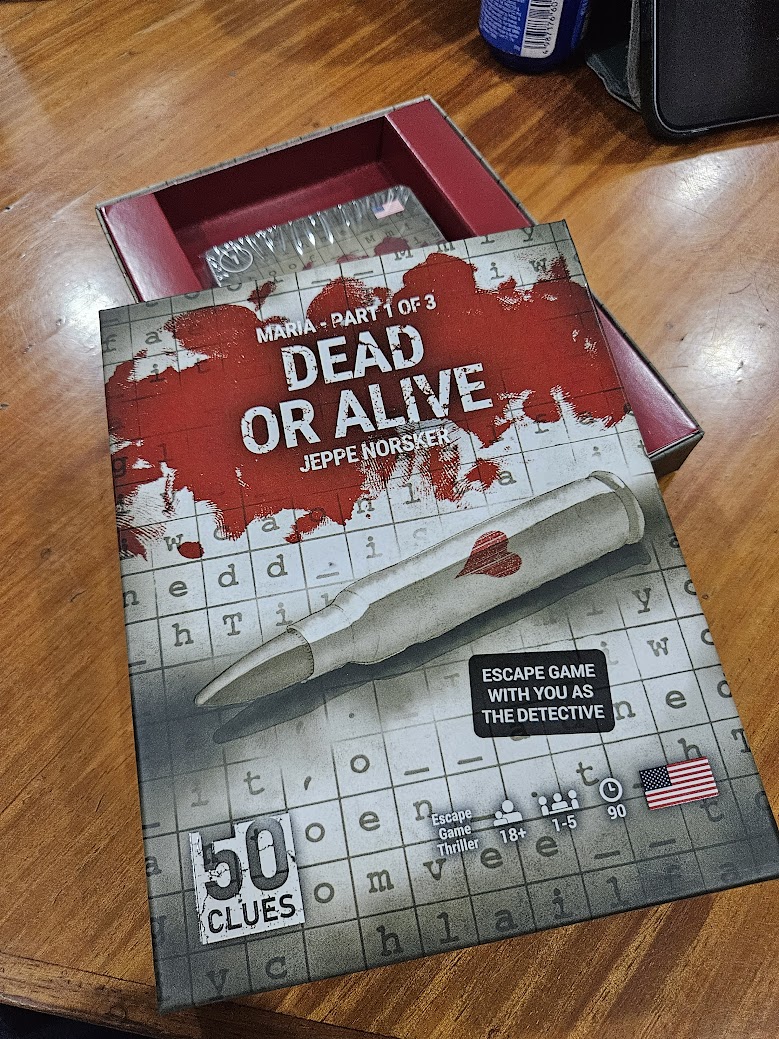
50 Clues: Dead or Alive is an immersive puzzle game that offers the experience of an escape room in a format that can be played at home. Players take on the role of Maria, who must escape from a psychiatric ward and find her son before it is too late. The game combines engaging storytelling with challenging puzzles, requiring players to use logic, search for clues, and make connections to progress through the narrative.
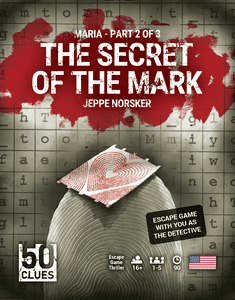
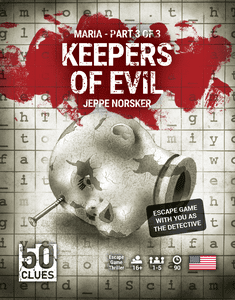
As the first part of the Maria trilogy, Dead or Alive introduces players to a dark and mysterious world. The game is designed for adults and features mature themes, with a strong focus on narrative and atmosphere. Digital support is integrated into the gameplay, enhancing the experience and providing additional layers of interactivity.
Throughout the game, players will encounter a series of puzzles and decisions that influence the outcome of the story. The combination of immersive storytelling, atmospheric design, and challenging puzzles makes 50 Clues: Dead or Alive a unique and engaging experience for fans of escape room and narrative-driven games.
50 Clues: Dead or Alive opens the Maria trilogy with a narrative-driven puzzle chase, casting players into a tense search for a missing protagonist through a sequence of immersive, clue-laden challenges. The game’s lineage is rooted in the modern escape-room-at-home genre, but it leans heavily on digital integration and mature themes to set a darker tone. While the initial story hook is strong, the experience is marked by inconsistent puzzle logic and a narrative that struggles to maintain momentum. For a curator, this title offers niche ROI—its value is largely in the one-time, solved experience rather than long-term shelf retention. Once completed, its replay potential is minimal, making it a selective deployment for collections focused on high-rotation or evergreen titles.
Physically, the game is streamlined: a compact box with minimal setup, designed for quick deployment and easy teardown. The requirement of an internet browser for code entry is a double-edged sword—on one hand, it keeps the table clear and the session focused; on the other, it introduces a dependency that may not suit every venue. With a 90-minute runtime, it fits best as a main event for a small group seeking a focused, collaborative challenge, rather than as a filler or warm-up. The box’s efficiency and digital support make it suitable for hosts who want a low-prep, self-contained session, but its single-use nature means it won’t see repeated table time.
From a teaching perspective, the system is approachable—players are comfortable by the second puzzle, and the collaborative structure encourages group problem-solving without overwhelming anyone. The mental friction is moderate: expect a mix of straightforward deduction and occasional leaps in logic that may stall less experienced groups. The skill dividend here is in lateral thinking and group communication, as the puzzles reward those who can connect disparate clues and keep the narrative thread alive. The collaborative format keeps the room engaged, but the uneven puzzle quality can lead to moments of frustration or disengagement, making this a title best suited for groups who enjoy the process as much as the solution.
Category
Thematic & Narrative
My score
6
Our Total Plays
1
Last PLayed
30 Apr 25
🔍 Solved
Player Count
1-5
Playtime
90 mins
Proficiency Perks
Systems & Logic
Check Amazon
As an Amazon Associate, I earn from qualifying purchases.