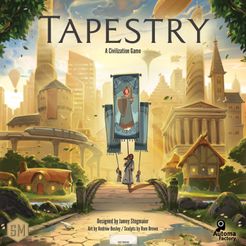
Tapestry
Official Description:
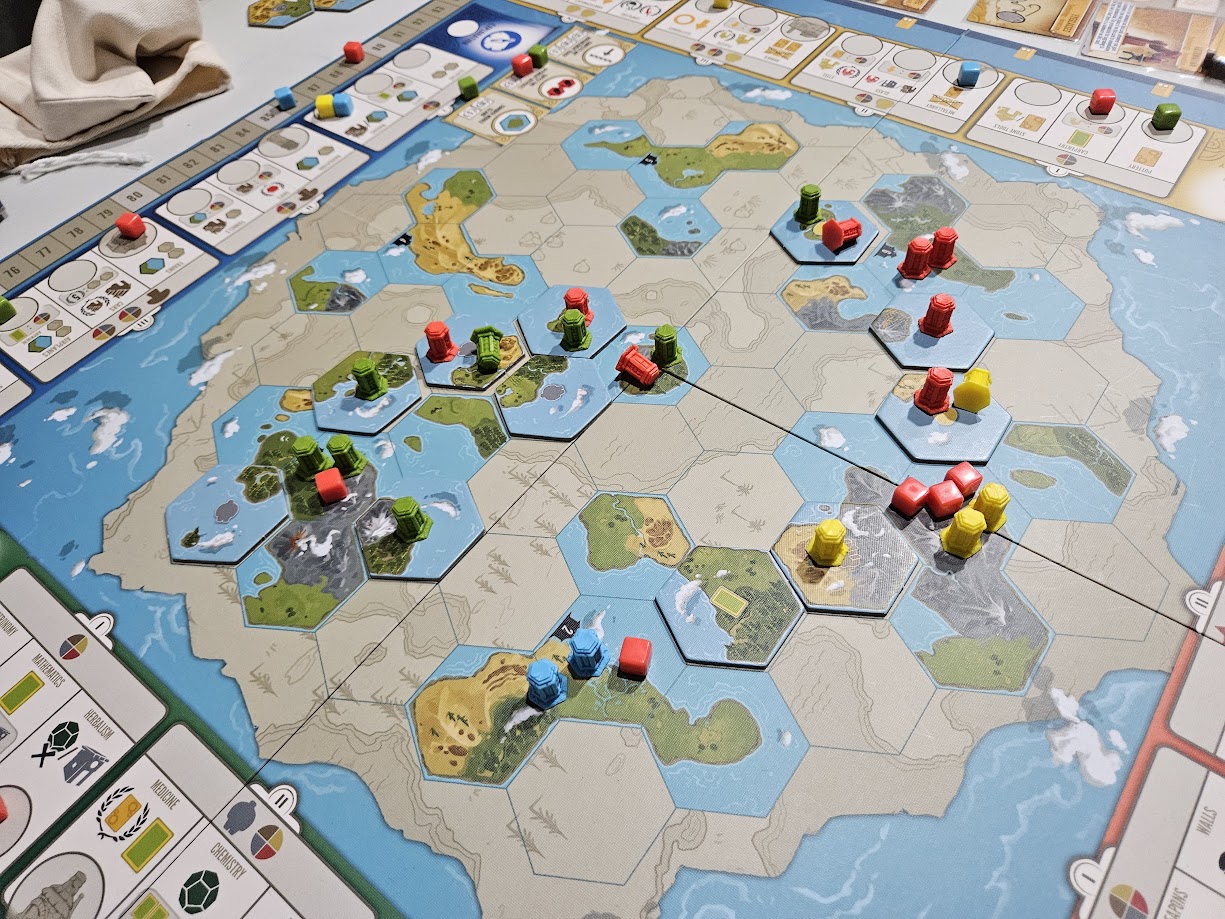
Tapestry is a civilization-building game for 1-5 players, designed by Jamey Stegmaier. In Tapestry, players create a civilization from the dawn of humankind into the future, pursuing advancements in science, technology, exploration, and military. Each player begins with a unique starting position and develops their civilization by progressing along four advancement tracks, unlocking new abilities, earning victory points, and building their capital city.
Throughout the game, players will also play tapestry cards that represent significant moments or achievements in their civilization’s history. These cards can provide powerful benefits and shape the direction of a player's strategy. The game features asymmetric civilizations, variable player powers, and a modular board, ensuring a different experience with each play.
Tapestry is designed to be accessible yet strategic, offering depth through its combination of advancement tracks, tapestry cards, and city-building elements. The objective is to craft the most storied civilization by the end of the game, as measured by victory points earned from various achievements and developments.
Tapestry operates as a streamlined civilization-builder, channeling the broad sweep of PC-era tech trees into a physical format that sidesteps the genre’s usual simulation drag. The asynchronous advancement system—where players move through eras at their own pace—keeps the table in constant motion, minimizing downtime and letting each player chart a distinct trajectory. This design, paired with asymmetric civilizations and modular components, delivers a top-tier strategic dividend: the game’s high operational reliability ensures it remains a frequent pick for groups seeking a civilization experience without the baggage of rules bloat. Its current momentum in the collection is a direct result of this blend—accessible depth, replayable variability, and a session arc that feels both familiar and fresh to veteran hosts.
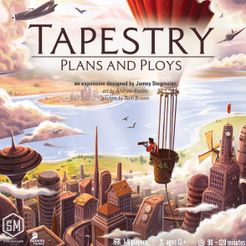
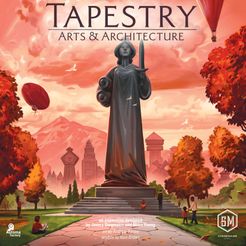
From a logistics standpoint, Tapestry is unapologetically large. The box commands significant table real estate, with oversized landmark figures and a spread of components that demand a dedicated setup window. Expansions only amplify the footprint, making this a main event title rather than a filler. For hosts, this means planning ahead—Tapestry is best reserved for nights where the group is committed to a full-length session and the table can be cleared for a centerpiece experience. The premium production values do enhance the tactile appeal, but they also require a methodical approach to both setup and teardown, especially when managing multiple tables or teaching new players.
Teaching Tapestry is a technical exercise; the ruleset is approachable but layered, and the asynchronous turn structure means the facilitator must stay alert to pacing and player progression. The system’s competitive core—indirect interaction through advancement and area control—keeps the room engaged without devolving into direct conflict, maintaining a steady energy level. The primary skill dividend here is in adaptive planning: players must read the evolving board state, optimize their advancement choices, and pivot strategies as new tapestry cards and abilities come online. For experienced curators, Tapestry’s structure allows for some autonomy once the first era is underway, but the initial teach benefits from a hands-on lead to ensure everyone navigates the unique tempo and sequencing of the system.
Category
Tactical & Strategy
My score
9
Our Total Plays
60
Last PLayed
06 Jun 26
🚀 High Velocity
Player Count
1-5
Playtime
120 mins
Proficiency Perks
Strategic Planning
👑 PREMIUM
Play on BGA
Check Amazon
As an Amazon Associate, I earn from qualifying purchases.
← ALL BOARD GAMe REVIEWS