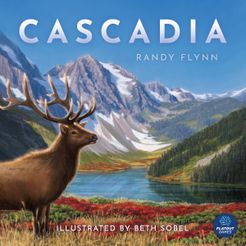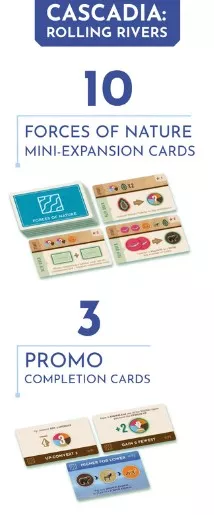

Cascadia: Rolling Rivers
Official Description:
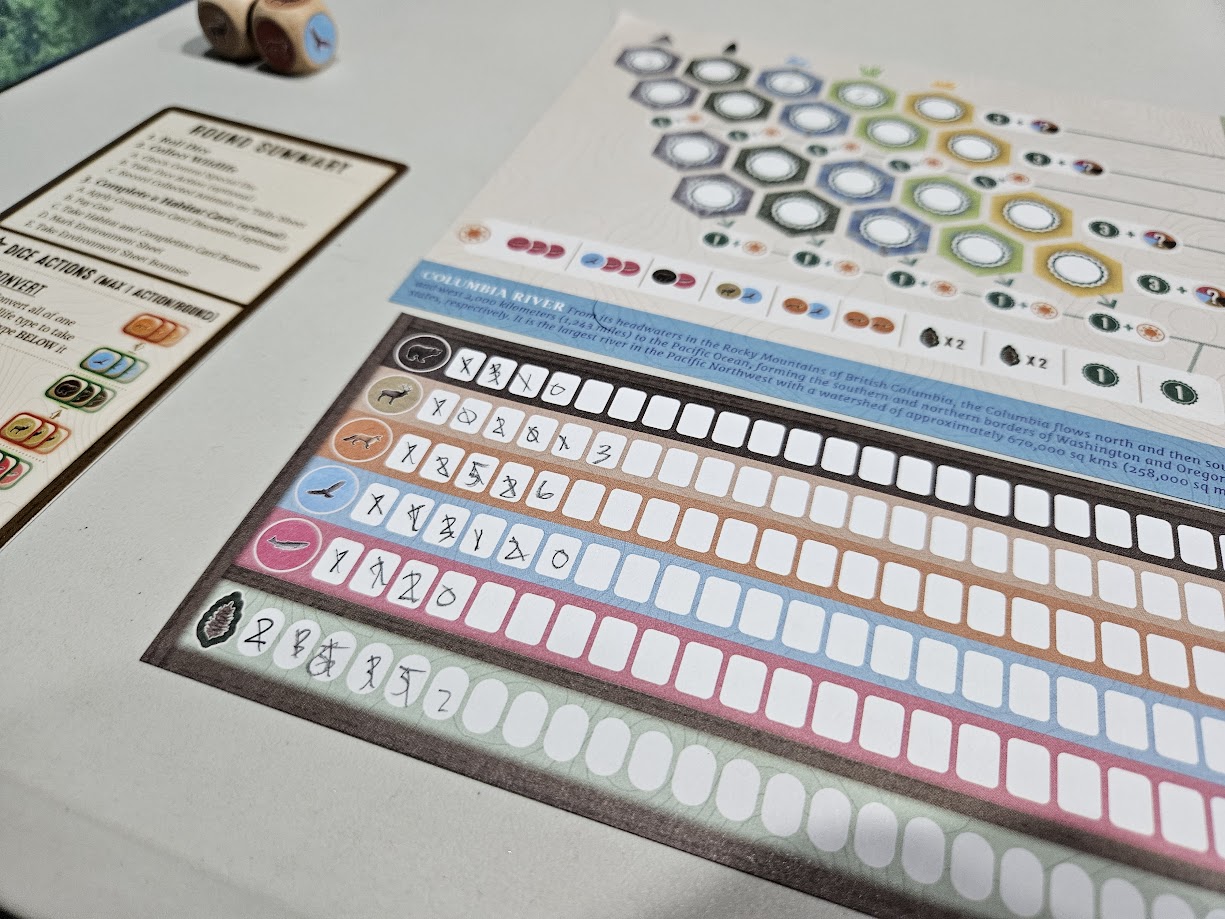
Cascadia: Rolling Rivers is a flip-and-roll-and-write game that immerses players in the habitats and wildlife of the Pacific Northwest. In this game, players simultaneously roll dice and flip cards to create their own unique environments, aiming to attract a variety of animals and complete habitat objectives. The gameplay emphasizes strategic placement and pattern-building, challenging players to optimize their choices each round.
The game features multiple modules, allowing for varied play experiences and increased replayability. Each module introduces new scoring opportunities and challenges, encouraging players to adapt their strategies. The modular design ensures that both new and experienced players can find engaging and accessible gameplay.
Cascadia: Rolling Rivers is designed for solo or group play, making it suitable for a wide range of audiences. Its approachable rules and nature-inspired theme provide an inviting experience, while the depth of strategy and variety of modules offer lasting appeal for enthusiasts of roll-and-write games.
Cascadia: Rolling Rivers stands as a modern entry in the casual roll-and-write lineage, building on its predecessor’s foundation with a distinct river-centric scoring system. The design’s modular approach and approachable playtime reinforce its status as a reliable secondary option for groups seeking consistent mechanical performance. Its continued presence in collections after years of managing tables is a testament to its solid table-time value—players return for the blend of tactical depth and accessible play, especially when compared to its sister title, Hills. The game’s legacy status is earned through its ability to deliver engaging sessions without overstaying its welcome, making it a dependable fixture for curators who prioritize shelf retention and replayable filler experiences.
Physically, the game’s compact box and independent storage requirements make it a practical addition for hosts who value quick setup and teardown. However, it’s worth noting that Rolling Rivers does not integrate with other titles in the series, so organizers should plan for standalone deployment rather than a combined rolling series experience. With a session time of around 30 minutes, it fits neatly as a gap-filler or opener—ideal for bridging longer games or accommodating fluctuating group sizes. The component footprint is minimal, but attention is needed to keep river dice and player sheets distinct, especially when running multiple tables or teaching new players.
From a teaching perspective, Rolling Rivers sits in the procedural category: expect a focused rules explanation, particularly around the unique river dice and scoring deviations from Hills. Once underway, the parallel play structure allows the facilitator to step back, as players engage with their own boards and decisions. The system’s mental friction comes from optimizing spatial layouts and adapting to evolving objectives, offering a tangible skill dividend in pattern recognition and forward planning. The low-interaction format keeps the room’s energy steady—players are absorbed in their own puzzles, making it a low-maintenance choice for larger groups or mixed-experience tables.
Category
Casual & Filler
My score
7
Our Total Plays
1
Last PLayed
18 Oct 24
🏛️ Legacy
Player Count
1-4
Playtime
30 mins
Proficiency Perks
Strategic Planning
Spatial Reasoning
Check Amazon
As an Amazon Associate, I earn from qualifying purchases.
← ALL BOARD GAMe REVIEWS